
Literature Unit Studies Ideas for Homeschooling


Literature Unit Studies Ideas are an essential tool for homeschooling parents and educators.
If you’re looking for exciting themed unit studies, this blog post will guide you through some creative ideas based on popular children’s and young adult books.
They provide a comprehensive approach to teaching, combining reading comprehension questions with related activities and projects.
Incorporating these units into your curriculum can deepen students’ understanding and enjoyment of literature.

First, let’s explore literature unit studies. These studies are structured lesson plans centered around a specific book or series.
They include various activities, such as discussion questions, hands-on projects, and writing assignments that relate to the book’s themes and content.
Plus, literature unit studies help build critical thinking skills and foster a love for reading.
The Importance of Literature Unit Studies
In addition to promoting reading, literature unit studies offer numerous educational benefits.
They integrate various subjects, such as history, science, and art, making learning more holistic and engaging for students.
Next, consider how these studies specifically benefit homeschooling families.
They provide a structured yet flexible framework that can be tailored to suit individual learning styles and paces.
For example, one family might focus on hands-on projects while another emphasizes analytical discussions.
Shop My Homeschool Room:
Here are a few homeschool room picks you can find on Amazon. Click any image to see it. Yes, these are affiliate links.


Want more learning without printing more pages?
If your little one is between 2 and 8, ABCmouse is a full online curriculum of learning games, books and puzzles, so the practice keeps going on the days you are out of ink. Take a look at ABCmouse
Prefer something that shows up in the mailbox? Highlights High Five is made for ages 3 to 5, and the classic Highlights magazine picks up from 6 to 12. See High Five | See Highlights
Key Strategies for Implementing Literature Unit Studies
To effectively implement literature unit studies, consider the following strategies:
Strategy 1: Choose Age-Appropriate Books
On the other hand, selecting the right book is crucial. Ensure that the literature aligns with your child’s reading level and interests.
Books like “Charlotte’s Web” offer simple yet profound themes for younger children, while older students might enjoy complex narratives like “The Hunger Games.”
Strategy 2: Integrate Cross-Curricular Activities
Meanwhile, integrating cross-curricular activities can enhance the learning experience.
Would you like to save this?
For example, after reading “Harry Potter,” students could explore medieval history or create their potions in a chemistry lesson.
This approach reinforces comprehension and broadens their knowledge across multiple subjects.
For Book Lovers



Strategy 3: Create Interactive Projects
Interactive projects are another excellent way to engage students.
For instance, building a model of the setting described in the book or reenacting a pivotal scene can make the story come alive.
These projects encourage creativity and hands-on learning, making the educational experience enjoyable and memorable.




Strategy 4: Use Technology and Multimedia
Technology, such as audiobooks, educational apps, and video adaptations, can enrich learning.
These resources offer different perspectives on the story and can cater to various learning preferences.
For example, a student might better understand the narrative by watching a film adaptation after reading the book.
FAQs About Literature Unit Studies
Shop My State Printables
Here are some excellent state learning resources from my shop. Simply click the picture to see:


Incorporating these studies into your curriculum can give your students a holistic and engaging educational experience.
We will give you a few different books and activity ideas for each novel. Below, you will find literary ideas for all ages!

- Reading Comprehension Questions: Examine the themes of survival and government control.
- Activities: Create a map of Panem and mark significant locations.
- Projects: Develop a strategy guide for surviving the Hunger Games.

- Reading Comprehension Questions: Discuss the themes of good vs. evil and redemption.
- Activities: Draw or paint scenes from Narnia.
- Projects: Write an essay comparing Narnia to our world and present it.

- Reading Comprehension Questions: Analyze the transformation of characters through the story.
- Activities: Start a small garden or plant seeds in pots.
- Projects: Study plant biology and create a scrapbook of garden plants.
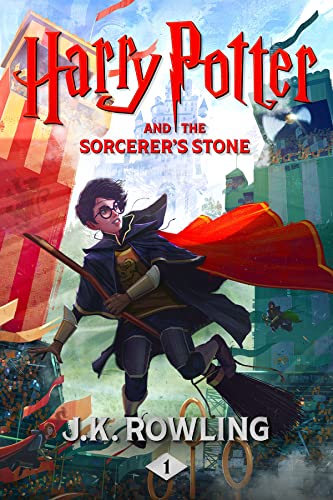
- Reading Comprehension Questions: Explore the concepts of bravery and loyalty.
- Activities: Design and create your own wand and spellbook.
- Projects: Research medieval institutions and compare them to Hogwarts.

- Reading Comprehension Questions: Discuss the themes of friendship and sacrifice.
- Activities: Create a spider web using string and write words that describe the characters.
- Projects: Build a diorama of the barnyard setting.

- Science: Explore the life cycle of a butterfly and observe caterpillars in your backyard.
- Art: Create collages using tissue paper, similar to Eric Carle's iconic illustrations.
- Math: Use colorful counting manipulatives to practice counting and sorting skills as you read the book.

- Math: Practice counting and identifying shapes by finding and counting all the different objects in the bedroom.
- Music: Sing lullabies or play calming music while reading this book to enhance the bedtime experience.
- Life Skills: Make a “goodnight” routine chart with your child to help them establish a consistent bedtime routine.

- Science: Learn about different animals and their characteristics while creating a sensory bin with toy animals.
- Art: Create a collage of animal pictures using cut-outs from magazines or draw your own illustrations in the same style as Eric Carle.
- Language Arts: Practice rhyming words and completing sentences by filling in the blank with animal names (e.g., “Brown Bear, Brown Bear, What Do You ? I See a _ Looking at Me!”).

- Science: Learn about wild animals and their habitats while discovering why Max's room turns into a jungle.
- Art: Create monster masks or draw your own “wild thing” creatures.
- Math: Practice counting and graphing the different types of wild things in the book.
More Themed Unit Studies
- Cookie Month Unit Study for Preschoolers
- American Cheese Month Unit Study
- Chickens Complete Unit Study
- How to create a themed unit study
Literature unit studies offer a versatile and enriching approach to homeschooling. They integrate multiple subjects, foster critical thinking, and promote a love for reading.
Don’t forget to share your thoughts and experiences in the comments below!


