
Babies Don’t Have to Break the Budget: Real Ways Parents Save Money


Having a baby can feel expensive before the baby even arrives. One scroll through social media or one trip through the baby aisle can make it seem like newborns require thousands of dollars in gear, gadgets, and perfectly curated nursery setups.
The truth is that babies need far less than most parents are told they do.
That doesn’t mean raising a child is cheap. Diapers, childcare, medical costs, and everyday life add up quickly. But many of the “must-have” purchases marketed to new parents are actually optional, short-lived, or easily replaced with simpler alternatives.
For many families, the biggest shift is learning the difference between what truly helps and what simply creates pressure.
Most baby marketing is built around fear
New parents are often targeted with messaging that makes everything feel urgent. You’ll hear that you need the safest stroller, the smartest monitor, the trendiest sleep products, and a nursery worthy of a magazine spread before the baby even comes home.
It’s easy to feel like buying more means being more prepared.
But experienced parents usually say the same thing after the newborn stage ends: half the items they stressed about barely got used.
Babies mostly need a safe place to sleep, a way to eat, diapers, clothing, and responsive care. Everything else falls somewhere on the “nice to have” spectrum.
That realization alone can save families hundreds or even thousands of dollars.
You don’t need every baby item immediately
One of the easiest ways to save money is simply waiting.
Many parents buy products before they know whether their baby will even like them. Some babies hate swings. Others refuse bassinets. Some outgrow certain products in weeks.
Instead of stocking up on every possible item during pregnancy, it can help to start with the basics and add things later if needed.
This approach also reduces clutter and stress during the newborn stage. Rather than trying to organize dozens of gadgets, parents can focus on what actually works for their own family.
Secondhand baby gear is often barely used
Babies grow incredibly fast, which means many baby items are used for only a short period of time before families pass them along.
That makes secondhand shopping one of the biggest money-saving tools available to parents.
Local parent groups, consignment shops, neighborhood sales, and online marketplaces are often full of gently used baby clothes, toys, books, high chairs, and strollers at a fraction of retail prices.
Some parents even receive entire bags of baby clothes for free from friends or relatives whose children recently outgrew them.
There are a few exceptions where buying new may make more sense, especially for safety-related items. Car seats, for example, should only be used if you know their full history and expiration date. But for many everyday baby items, secondhand shopping can dramatically cut costs without affecting quality.
Babies outgrow clothes faster than parents expect
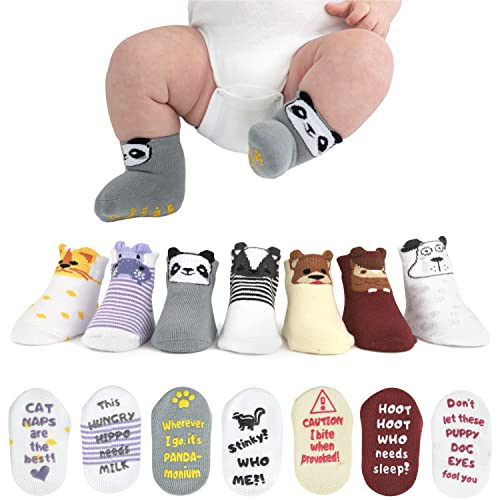
One common mistake new parents make is buying too many newborn-sized outfits.
Some babies barely wear newborn sizes at all before moving into larger clothing. Others grow through entire sizes within weeks.
Instead of building a massive wardrobe early on, many parents find it easier to keep a smaller rotation of practical, comfortable basics and add pieces as needed.
Simple sleepers, zip pajamas, and soft everyday clothes usually get far more use than complicated outfits with tiny buttons and layers.
And honestly, babies do not care whether their clothing is trendy, designer, or perfectly coordinated.
Fancy nurseries are optional
Social media has changed how many people think baby spaces should look. Perfectly styled nurseries filled with matching furniture, custom décor, and expensive accessories are everywhere online.
But babies do not need aesthetic themes or luxury furniture to thrive.
Many families successfully use simple setups, especially during the first year when babies often sleep in the parents’ room anyway.
Would you like to save this?
A clean, safe, functional space matters far more than creating a picture-perfect room.
Parents also frequently discover that the items they use most are the practical ones: blackout curtains, a comfortable chair, storage bins, and easy access to diapers and wipes.


Meal feeding choices can affect costs — but every family is different
Feeding a baby can look very different from family to family, and there is no single “right” approach.
Some parents breastfeed exclusively. Others use formula. Many use a combination of both depending on work schedules, health needs, supply issues, mental health, or personal preference.
Formula can become a significant monthly expense, especially during shortages or price increases. Breastfeeding may lower feeding costs for some families, but it also comes with its own challenges, supplies, and time demands.
The most helpful mindset is usually flexibility instead of pressure.
Parents do not need guilt layered onto already stressful feeding decisions.
Minimalism often becomes easier after the first child
Many second- or third-time parents say they spend less with later children because they realize how little babies actually require.
They skip impulse purchases, avoid trendy gadgets, and focus on the items they genuinely used the first time around.
There’s often less pressure to “perform” parenthood through products.
That shift can be freeing for new parents to hear because it removes some of the expectation that good parenting has to look expensive.
Community matters more than expensive products
One thing many parents eventually realize is that support systems matter far more than expensive gear.
A friend dropping off dinner, a grandparent helping with laundry, or another parent sharing hand-me-downs can make a bigger difference than the newest baby gadget ever could.
Parenting becomes easier when families stop trying to do everything perfectly and start leaning into practical support, flexibility, and realistic expectations.
That also means it’s okay to skip things that don’t fit your budget or lifestyle.


Saving money with babies is less about being cheap and more about being intentional
There’s a big difference between being financially careful and depriving yourself.
Some baby purchases genuinely make life easier. Some are absolutely worth the investment depending on your situation. The key is understanding that parents do not need to buy everything all at once simply because marketing says they should.
The goal is not to raise a baby with the least amount of money possible.
The goal is building a system that works for your family without creating unnecessary stress or financial pressure.
Why this matters
Many parents already feel overwhelmed entering parenthood. Financial pressure only adds to that anxiety, especially when online culture constantly pushes expensive standards for what parenting “should” look like.
Posts that normalize simpler parenting choices can help families feel less alone and less pressured to overspend.
Because at the end of the day, babies are not measuring love through nursery themes, brand names, or the price tag on a stroller.
❓ Frequently Asked Questions
Here are helpful answers to common questions about Babies Don’t Have to Break the Budget: Real Ways Parents Save Money.


We have 13 littles (some of them not so little anymore though) and we used the tricks you discussed above to help us out. Honestly I can’t imagine life without any one of them. Best decision we ever made! Thanks for your practical recommendations!