How to Adapt Alphabet Worksheets for Every Learning Style
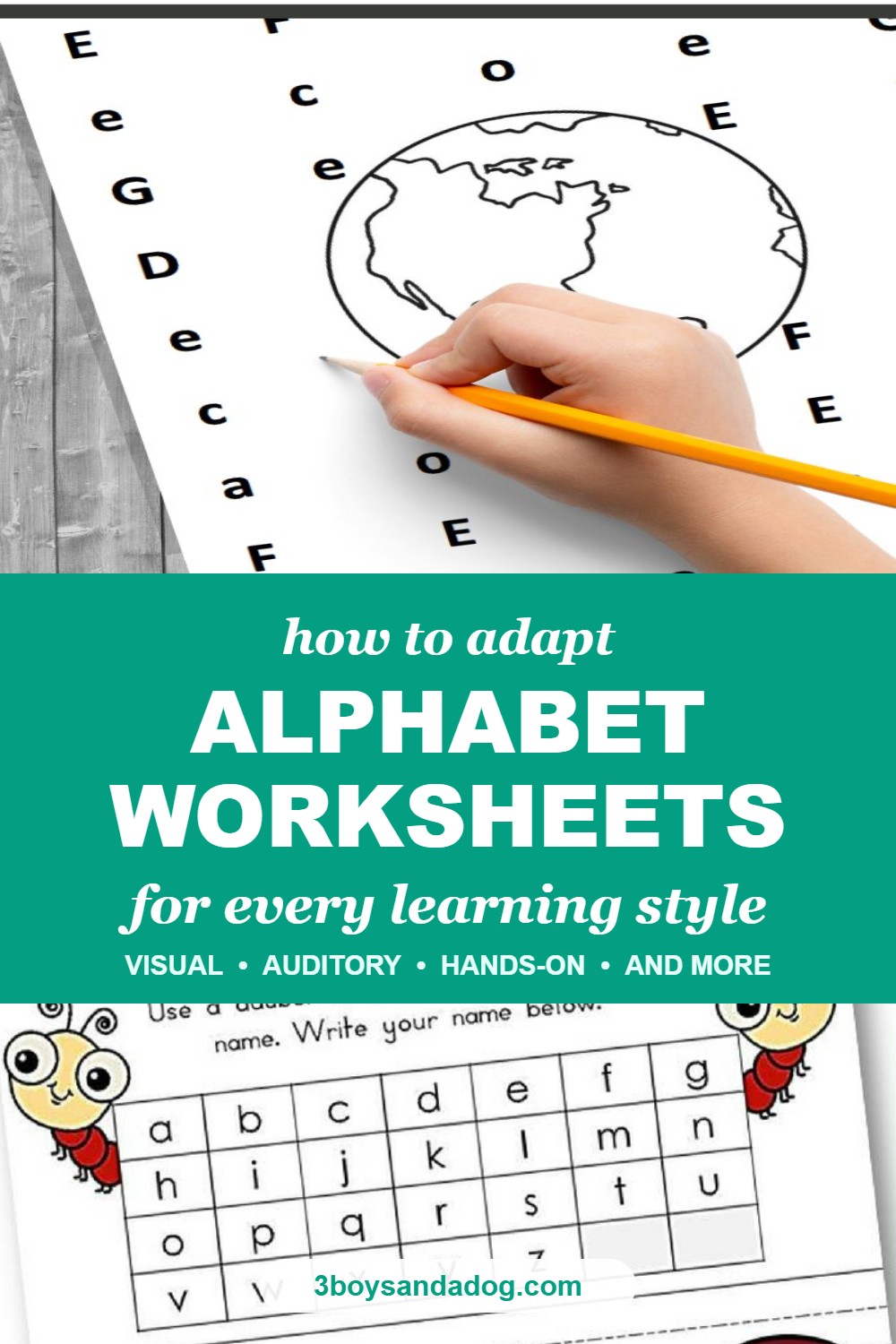
Some kids will happily dot every A on the page. Others would rather crawl under the table. Same worksheet, very different kids.
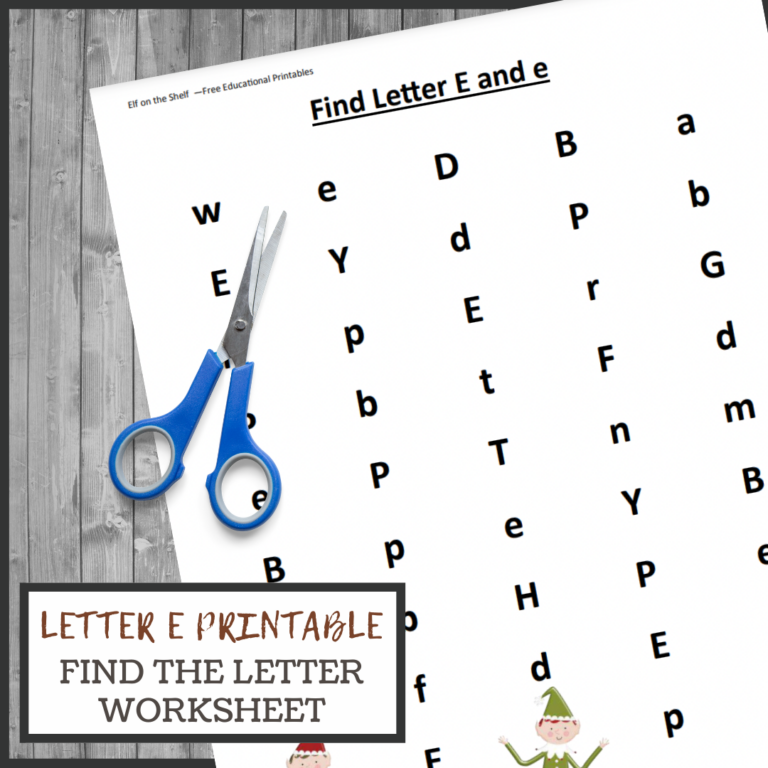
Here are simple ways to adapt a find the letter worksheet for visual, auditory, hands-on and other learners, so it works for the kid you actually have. Need the worksheets first? Grab them from my find the letter worksheets, sorted A to Z.
Start with the quick overview, then jump to the ideas for the learning style that sounds like your kid.
Table of Contents
The Learning Styles at a Glance
Most kids are a mix of two or three of these. Tap one to jump to the ideas.
Benefits of Adaptable Worksheets
In the ever-evolving landscape of education, adaptable worksheets emerge as a vital tool in creating personalized learning experiences.
By offering customizable content that fits diverse learning needs and styles, these worksheets empower educators to foster an inclusive and engaging classroom environment.
This adaptability not only supports students’ unique educational journeys but also enhances the overall learning process.
Dive into the numerous benefits of adaptable worksheets and discover how they can transform teaching and learning.
Increased Engagement:
Customizing worksheets to align with students’ interests and learning styles boosts motivation and makes learning more relatable and enjoyable.
Improved Understanding:
Adaptable worksheets accommodate different cognitive abilities, offering multiple pathways to understanding, which helps students grasp and retain concepts more effectively.
Individual Preferences:
Diverse methods such as visual, auditory, and kinesthetic activities, worksheets can meet individual learning preferences, fostering a supportive environment.
Enhanced Critical Thinking:
Tailoring worksheets with problem-solving tasks and open-ended questions encourages students to think critically and develop analytical skills.
Differentiated Instruction:
Easily modify worksheets to cater to varying skill levels within a classroom, ensuring all students are appropriately challenged and supported.
Increased Accessibility:
Adaptable worksheets can be designed to be more accessible, incorporating larger text, braille, or audio support for students with different needs.
Reinforced Concepts:
Through repetitive and varied practice tailored to individual learning speeds, adaptable worksheets help reinforce key concepts, aiding long-term retention.
Encouraged Autonomy:
Allowing students to choose worksheets that suit their learning paths, adaptable worksheets promote independent learning and self-directed education.
Learning Style Modifications
Incorporating modifications into adaptable worksheets is essential for addressing the varied learning styles of students.
Educators can create a more effective and inclusive learning environment by tailoring educational materials to meet these diverse needs.
Understanding how different students absorb information allows for strategic modifications that enhance comprehension and retention.
Explore various modification ideas designed to cater to visual, auditory, kinesthetic, and other learning styles, ensuring every student can engage with and benefit from the material.
Adaptable Find the Letter Worksheet Modifications by Learning Styles
These adaptations cater to diverse learning styles, including visual, auditory, kinesthetic, reading/writing, logical-mathematical, social, and intrapersonal learners.
Each modification aims to boost engagement and learning effectiveness by addressing the distinct needs and preferences of each learning style, ensuring a more inclusive and impactful educational experience.
These modifications cater to diverse learning preferences, making education more effective and inclusive.
Highlighting Colors
Use colors to highlight specific letters, making it easier for visual learners to find and recognize them.
Letter Mazes
Design mazes where students follow a path of a letter, enhancing letter recognition through visual tracking.
Illustrated Letters
Incorporate images that start with the target letter, pairing visuals with letters for better association.
Spot the Difference
Include puzzles where students find letters hidden within detailed images, stimulating visual analysis.
Alphabet Songs
Utilize songs that emphasize the sounds of each letter, making the learning process more engaging and memorable.
Audio Clues
Provide audio recordings of words that start with specific letters, helping students connect sounds with visual representations.
Phonetic Games
Create games where students listen to sounds and must identify the corresponding letters, reinforcing auditory recognition.
Letter Stories
Narrate stories focusing on particular letters, allowing students to hear them in context and develop better auditory comprehension.
Letter Tracing
Use sandpaper or textured surfaces for students to trace letters with their fingers, enhancing tactile learning.
Scavenger Hunt
Organize a physical hunt where students search for hidden letters around the classroom or playground.
Building Blocks
Provide blocks or shapes that students can arrange to form letters, combining movement with learning.
Letter Mats
Design mats with large letters for students to step on, jumping to spell out words physically.
Letter Journals
Encourage students to keep a journal where they record letters they’ve found and words that start with them.
Letter Hunts
Use simple picture books with large, bold letters for children to find and point out during reading time.
Coloring Pages
Provide coloring pages with large letters and corresponding images (e.g., ‘A’ for apple) for children to color in.
Matching Games
Design simple games where children match letters to pictures or words, using cards or magnetic letters.
Letter Patterns
Create easy patterns using letters, such as ABAB or ABC, for children to continue.
Letter Puzzles
Provide puzzles with letter pieces that children can fit together.
Sorting Tasks
Use colorful cards or blocks for children to sort letters by color or shape.
Matching Activities
Offer activities where children match letters to images or objects that start with the same letter sound.
Letter Hunts
Organize simple scavenger hunts where children work together to find hidden letters around the classroom.
Sharing Circles
Encourage children to sit in a circle and share a letter they found, discussing objects or animals that start with that letter.
Relay Race
Set up relay races where teams work together to find and collect letters.
Letter Art
Have children create a large mural by each contributing a letter drawing.
Letter Goals
Help children set simple goals, such as finding a certain number of letters during an activity, and celebrate their achievements.
Reflective Drawing
Provide quiet time for children to draw their favorite letters and think about words that start with those letters.
Calm Letters
Create a quiet corner where children can peacefully search for letters in a book or puzzle.
Progress Charts
Use stickers or stamps on a chart where children can track the letters they’ve found.
Would you like to save this?
Implementation Strategies
To effectively implement versatile and customizable worksheets, educators should begin by assessing the unique needs of their students.
Incorporating student feedback can refine these materials to better suit learning preferences.
Effectively implementing our letter find worksheets requires a tailored approach to cater to young learners’ diverse needs.
Here’s how preschool teachers can enhance their impact:
Assessing Student Needs:
Evaluate each child’s learning style and developmental stage. Observations and informal discussions can provide insights into their interests and challenges, helping you tailor activities to individual needs.
Selecting Modifications:
Choose modifications that align with preschoolers’ learning styles. Use colorful visuals for visual learners or incorporate physical activities for kinesthetic learners, ensuring age-appropriate engagement.
Integrating Worksheets Into Lesson Plans:
Embed these worksheets into play-based activities. Use them during circle time or as part of literacy centers to reinforce letter recognition in a fun and engaging way.
Evaluating Effectiveness:
Monitor children’s progress and gather feedback through observation. Then, you can adjust worksheets based on how well your children respond. This ensures continued effectiveness and interest.
Assessment and Adaptation:
Continually assess and refine worksheets to meet evolving interests and developmental needs, keeping them relevant and challenging.
Incorporating Technology:
Educational apps, videos, and programs can make letter learning more dynamic and engaging through games, animations, and sound effects.
The adaptability and creativity inherent in using these worksheets not only enhance student engagement but also contribute to improved learning outcomes.
By leveraging these tools, educators can cultivate a classroom atmosphere that encourages exploration and curiosity, laying the foundation for students’ lifelong love of learning.
Ultimately, the long-term benefits of such personalized educational experiences are profound, including greater understanding, confidence, and academic success for students.
Embracing versatile and customizable worksheets is a crucial step in preparing students to thrive in an ever-evolving educational landscape.
Pick one letter, pick one idea from the list above, and give it five minutes. That is plenty.
Get the Free WorksheetsWorksheets to Try It With
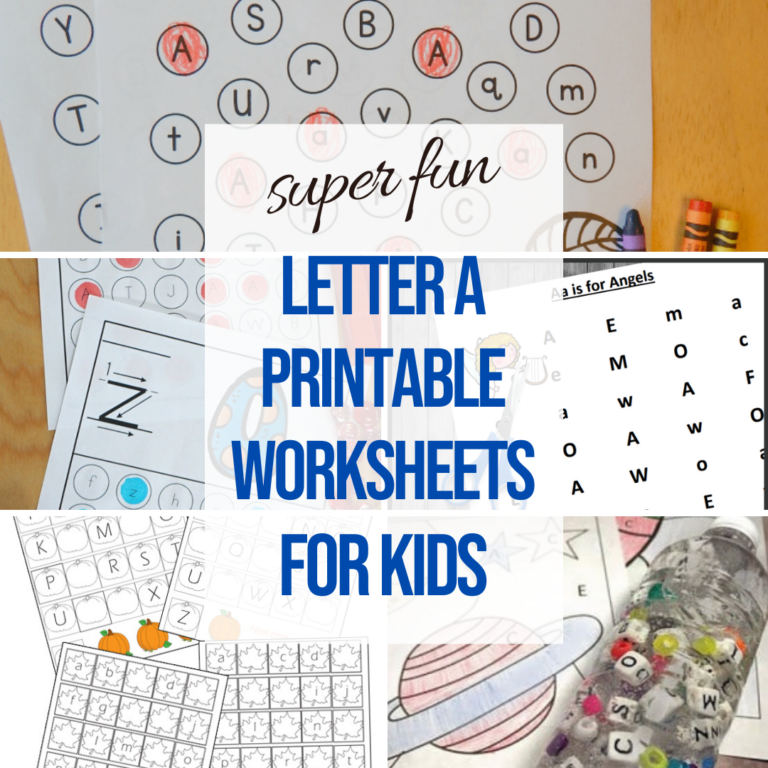
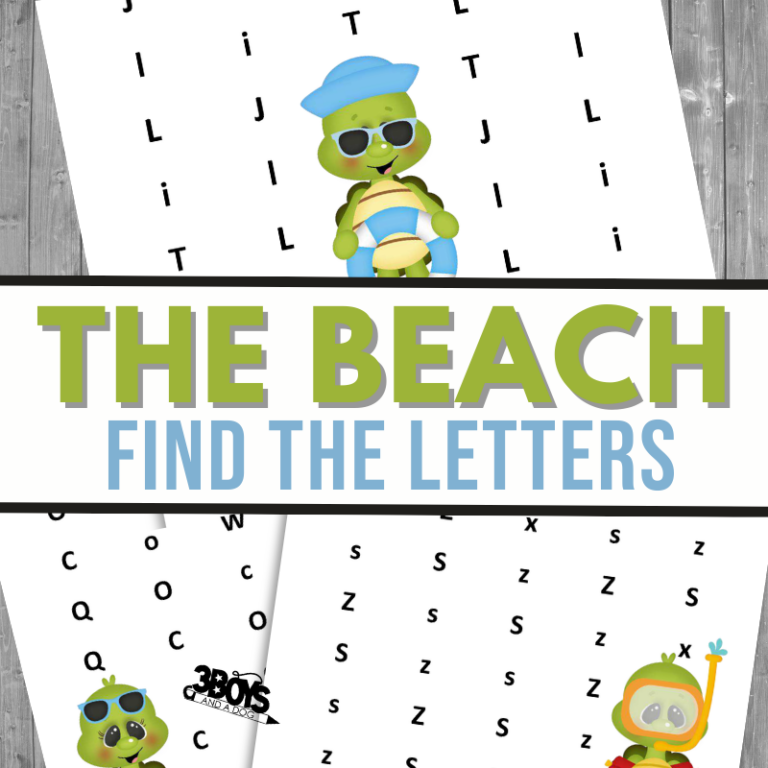
These are the most popular sets on the site. There are over 100 more on the find the letter worksheets page.
❓ Frequently Asked Questions
A few questions that come up a lot about learning styles and letter practice.