
Visual Sensory Activities


The world of Visual Sensory Activities opens up a vibrant and engaging way to support sensory development while having fun. Whether you’re a parent, teacher, or caregiver, incorporating easy sensory activities into daily routines can spark learning and joy through the wonder of sight.
These activities are particularly valuable for children or individuals with sensory needs, as they help refine visual processing skills, enhance focus, and encourage meaningful self-expression through visual exploration.
By playing with colors, patterns, and lights, participants can build confidence, connect with their environment, and better understand their world.

This post is packed with fun, interactive, and beneficial ideas that are easy to try at home or in structured settings. From creative color experiments to calming light activities, you’ll find something for every sensory need.
Get ready to transform visual sensory play into an enriching and delightful tool for growth, connection, and fun!
What Are Visual Sensory Activities?
Visual sensory activities focus on how we see, process, and respond to the things we observe. They are carefully designed games or experiences to engage and develop the sense of sight. Think of it as giving your eyes and brain a chance to collaborate and grow!
These activities may involve spotting differences, tracking movements, or engaging with various colors and shapes.
Visual sensory activities sharpen how we process and respond to our surroundings, whether gazing at a glitter jar, playing with shadow puppets, or sorting colorful objects.
This post contains affiliate links, which means I earn a commission when anything is bought. This is at no additional cost to you.
Shop My Homeschool Room:
Here are a few homeschool room picks you can find on Amazon. Click any image to see it. Yes, these are affiliate links.


Want more learning without printing more pages?
If your little one is between 2 and 8, ABCmouse is a full online curriculum of learning games, books and puzzles, so the practice keeps going on the days you are out of ink. Take a look at ABCmouse
Prefer something that shows up in the mailbox? Highlights High Five is made for ages 3 to 5, and the classic Highlights magazine picks up from 6 to 12. See High Five | See Highlights
Why Are Visual Sensory Activities Important?
Sight isn’t just about what you see; it’s about how your brain interprets and responds to that information. For individuals with sensory needs, structured visual sensory activities can make a big difference. Here’s why:
- Strengthen Visual Processing Skills: Recognizing shapes, patterns, and colors helps the brain process visual information more effectively.
- Enhance Focus: Activities encouraging careful observation can improve concentration, helping participants tune in to details and stay on task.
- Build Coordination and Awareness: Visual sensory activities often overlap with motor skills, teaching the connection between what we see and how we move.
By participating in visual play, individuals gain tools for interpreting their environment, improve their reactions to visual stimulation, and develop better overall sensory integration. These activities aren’t just beneficial; they’re endlessly enjoyable!
Benefits of Visual Sensory Activities
Visual sensory activities are much more than just playing with colors or light. They offer a range of significant cognitive, emotional, and developmental benefits.
One of the biggest advantages lies in fostering visual processing. By practicing identifying and responding to visual information, participants sharpen their understanding of patterns, faces, and spatial relationships. It’s not just about what they see but how they understand it.
Beyond that, many visual activities have a soothing quality. Calming visual stimuli like gentle lights or flowing patterns can ease anxiety and encourage relaxation for kids prone to sensory overload or overwhelmed by busy environments.
Here are some additional benefits of regular visual sensory play:
- Boosted Attention to Detail: Games that require focus, like discernment or matching activities, encourage an eye for detail.
- Improved Spatial Awareness: Recognizing how objects relate to one another builds skills necessary for navigation and coordination.
- Calming Effects: Activities featuring soft, repetitive visuals—like lava lamps or sensory bottles–help regulate emotions and bring peace.
By integrating visual-sensory activities into daily life, you’re not only fostering development but also creating joyful moments for play, connection, and imaginative exploration.
Everyday Moments That Rely on Visual Sensory Skills
You may not realize it, but we constantly depend on our sense of sight. Here are some common examples of how visual sensory skills are part of everyday life:
- Recognizing Faces and Expressions: Seeing a familiar face or recognizing emotions through facial expressions builds social connections.
- Reading and Writing: Following words on a page or matching letters involves visual tracking and focus.
- Navigating Spaces: Walking through a room without bumping into furniture or avoiding obstacles takes spatial awareness shaped by the sense of sight.
- Matching and Sorting: Identifying matching socks or sorting toys by color highlights visual discrimination abilities.
- Enjoying Visual Arts and Play: From looking at bright paintings to buildings with block towers, sight opens the door to creativity and engagement.
Visual sensory activities fine-tune these everyday skills, making ordinary moments easier and more enjoyable.
Tips for Enhancing Visual Sensory Play
Want to make visual sensory play more impactful? Here are a few quick tips to get the most out of these activities:
- Minimize Distractions: A clutter-free environment makes it easier to focus on the visual element of the activity.
- Keep It Interactive: To enhance engagement, use hands-on items like textured flashcards, colorful objects, or movable lights.
- Follow Their Lead: If some visuals seem overwhelming (like bright colors), start small with softer alternatives. Build on their preferences and comfort level.
- Add Variety: Incorporate sensory experiences that combine sight with touch or movement, like stacking rainbow blocks.
- Make it Enjoyable: The ultimate goal is to have fun! Share laughs, celebrate small achievements, and explore together.
Would you like to save this?
Visual sensory activities may rely on the sense of sight but also create opportunities for connection, creativity, and excitement.
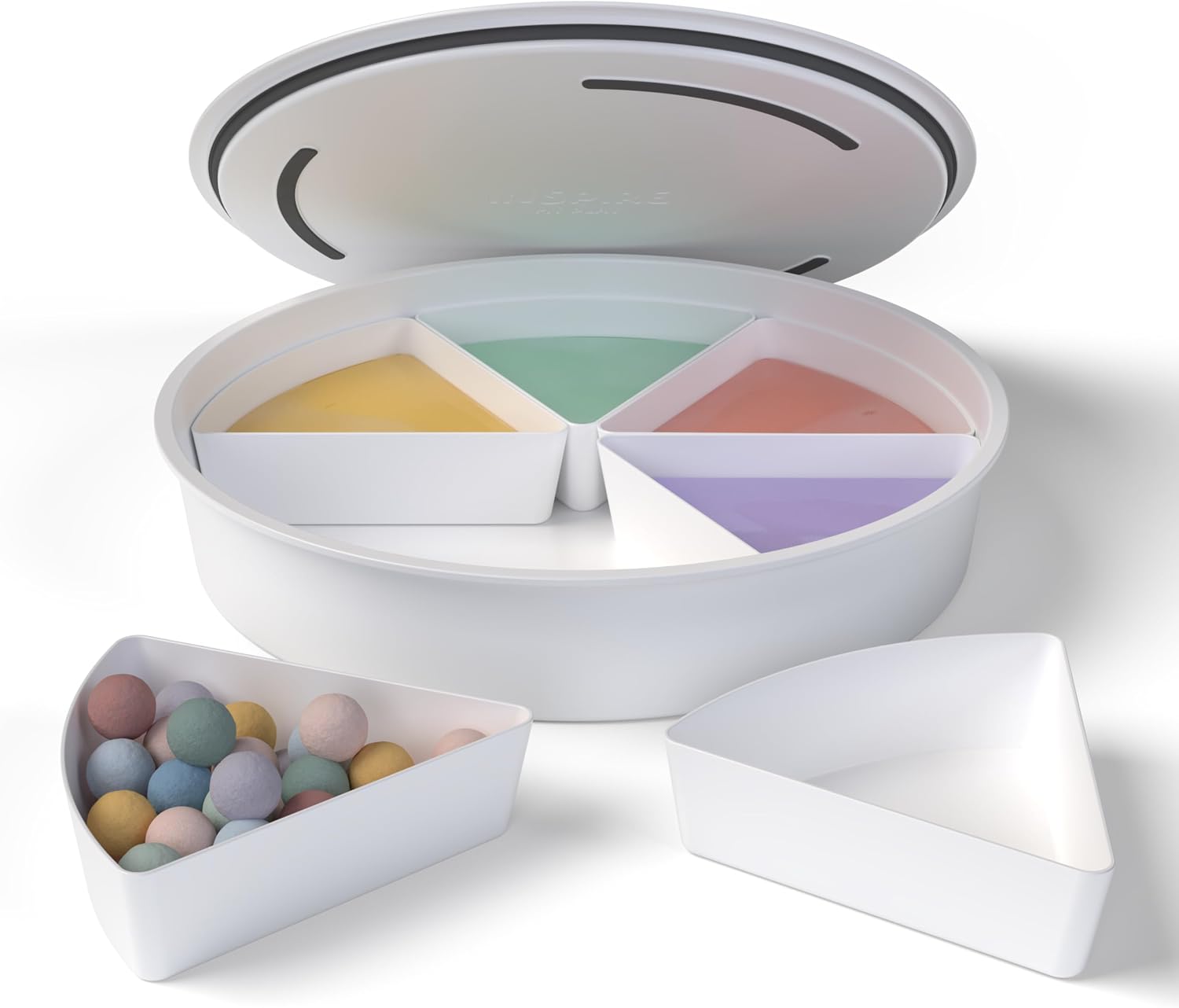
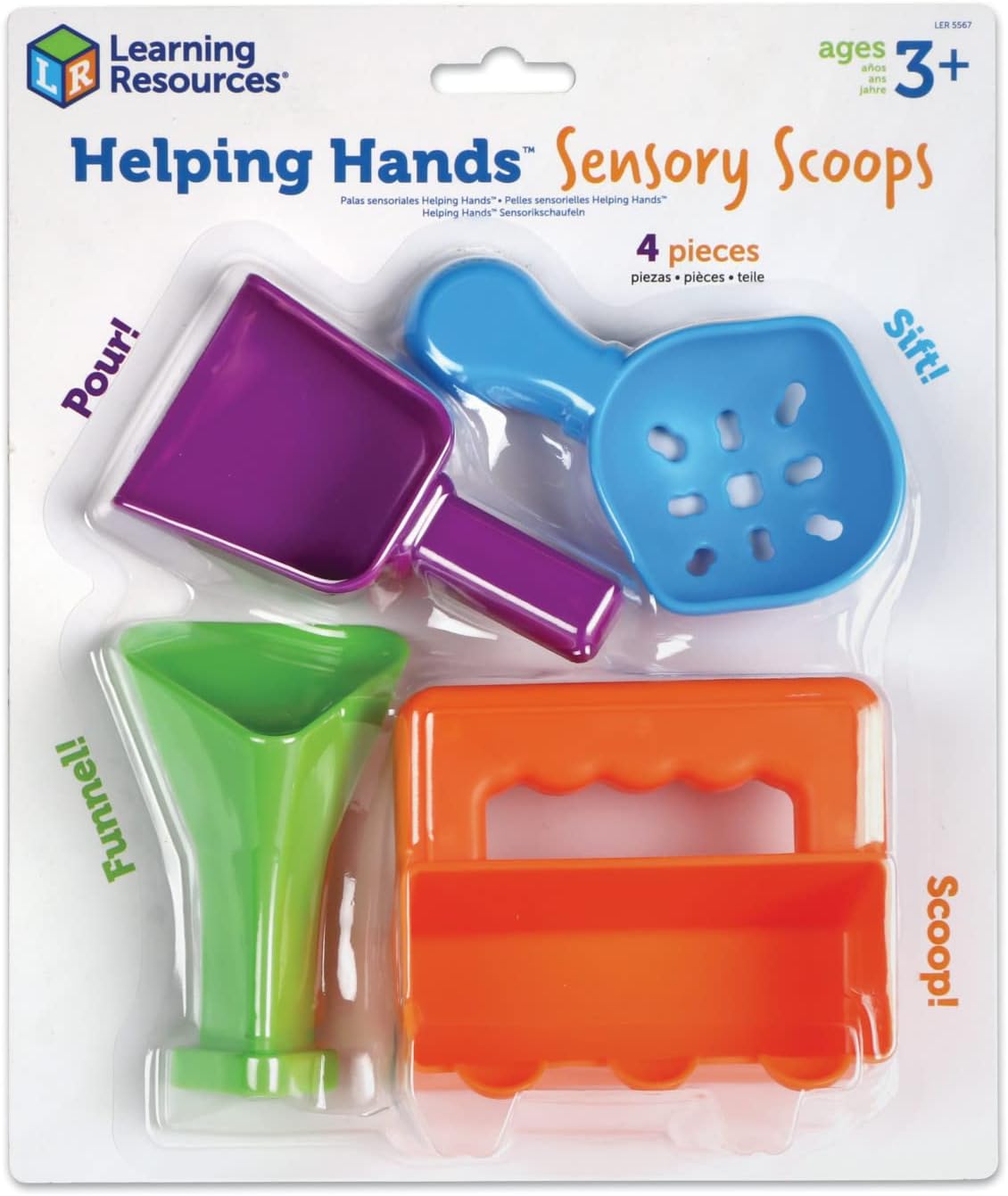
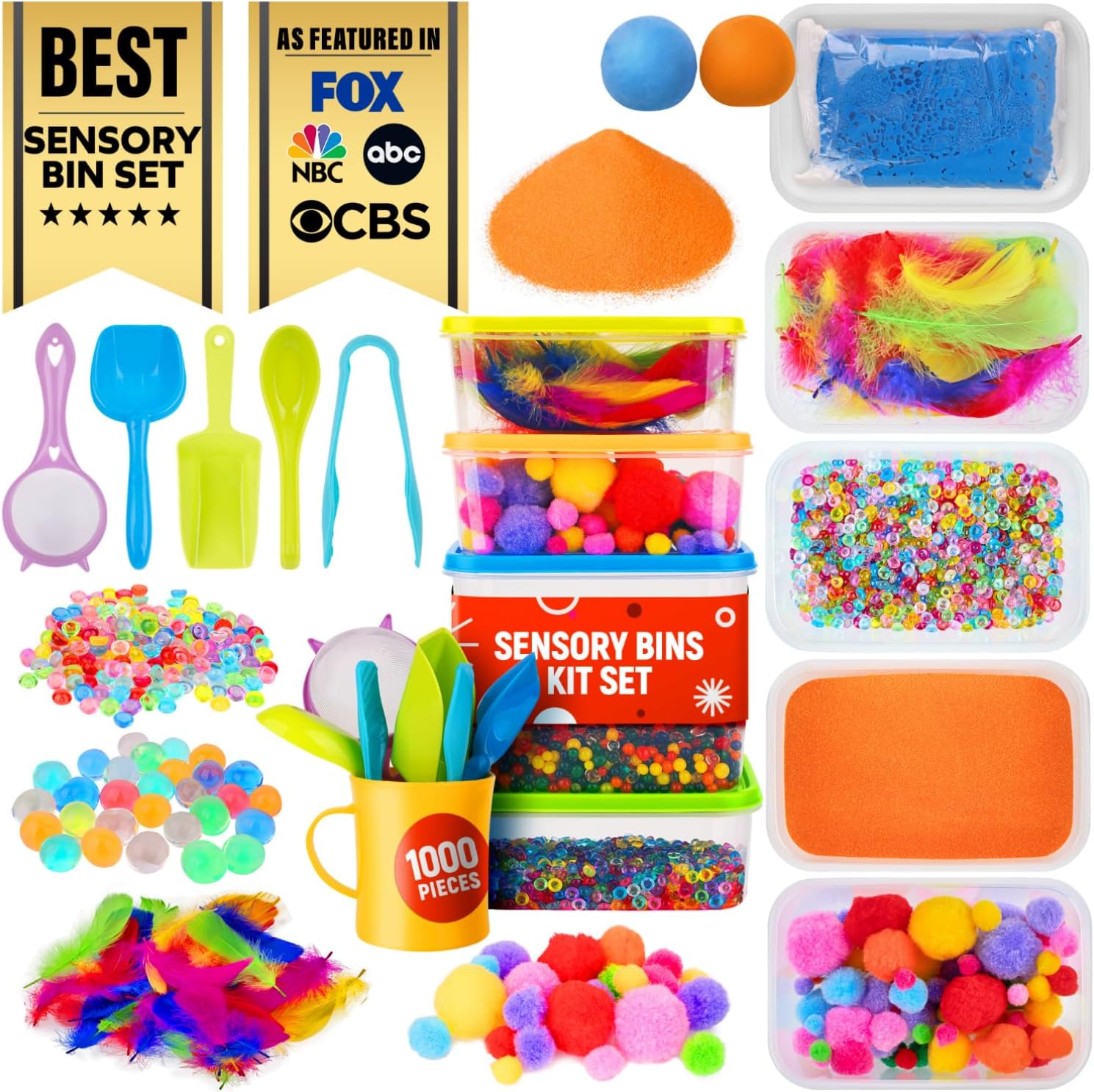
Sensory Bin Supplies
8 Easy Sensory Ideas for Visual Engagement
Looking for simple, effective ways to explore visual sensory play? Here are some fun activities perfect for kids, individuals with sensory needs, or anyone looking to engage their sense of sight.
Glitter Sensory Bottles
Create mesmerizing glitter bottles that capture attention and promote calm. Watching the glitter swirl and settle can be both soothing and delightful.
How to do it: Fill a clear plastic bottle with water, glitter, and glue. Shake and enjoy the dazzling visual effect.
Color Hunt
Turn observation into a fun scavenger hunt by challenging participants to find objects of a specific color.
How to do it: Say, “Find everything red!” and have them race to gather matching items around the house.
Shadow Play
Use a flashlight or natural sunlight to create shadow puppets or shapes. This activity blends light and movement for an engaging experience.
How to do it: Form animal shapes with your hands or arrange objects to cast shadows on a wall.
Rainbow Sorting
Sorting activities improve focus while also sharpening color recognition skills.
How to do it: Provide colored objects like buttons, blocks, or paper cutouts, and have them sort them by color.
Light Table Fun
A light table offers endless creative possibilities. Glow-in-the-dark paint and transparent objects work great here.
How to do it: Place colorful objects on a light table or under a clear box lit from below and encourage exploration.
Disco Ball Party
Create exciting light and pattern effects with a simple spinning disco ball.
How to do it: Turn it on in a dark room and take turns observing how the lights move and reflect.
Create a Color Wheel
Using paints or crayons, create a visual learning moment by mixing primary colors to see how they form new ones.
How to do it: Guide them in painting or coloring a wheel that represents the spectrum of colors.
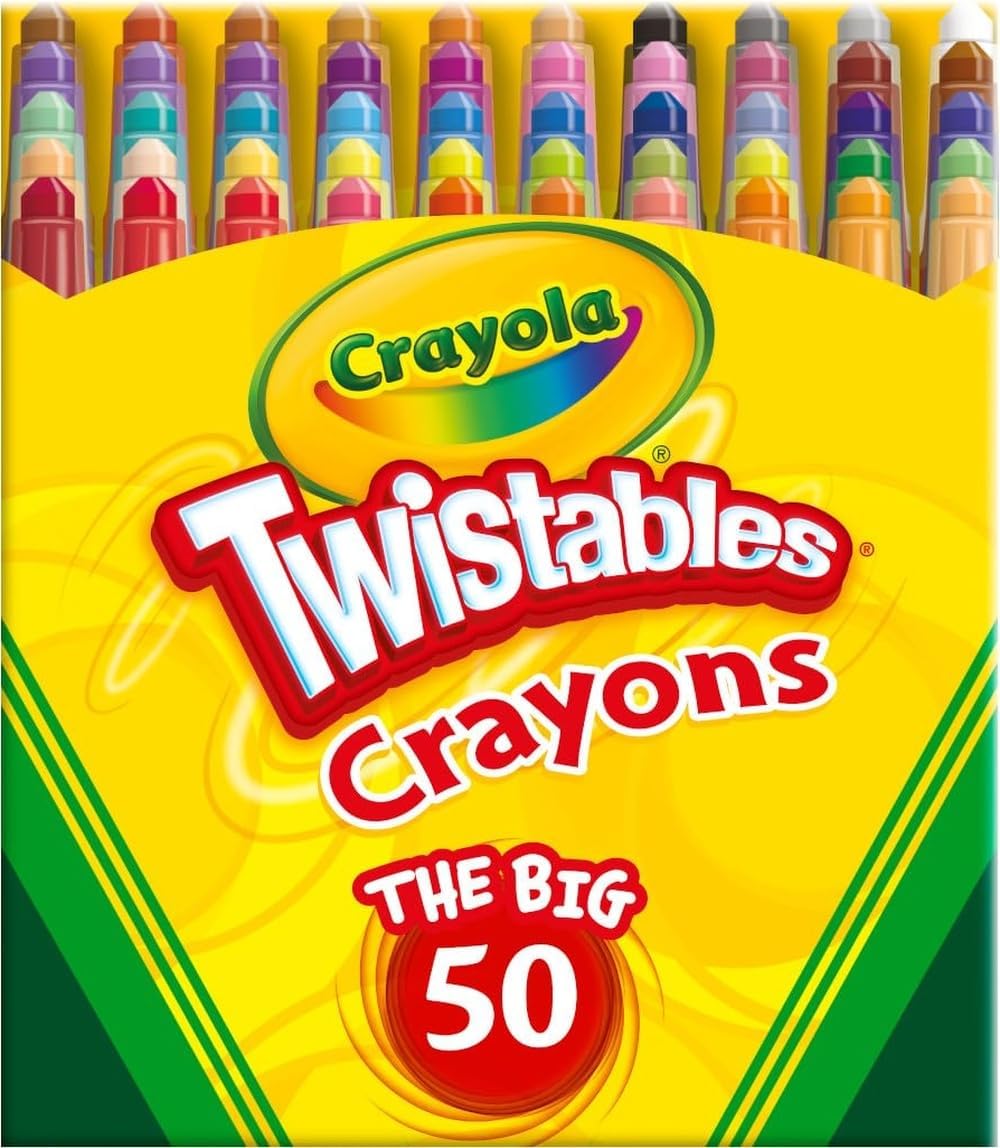
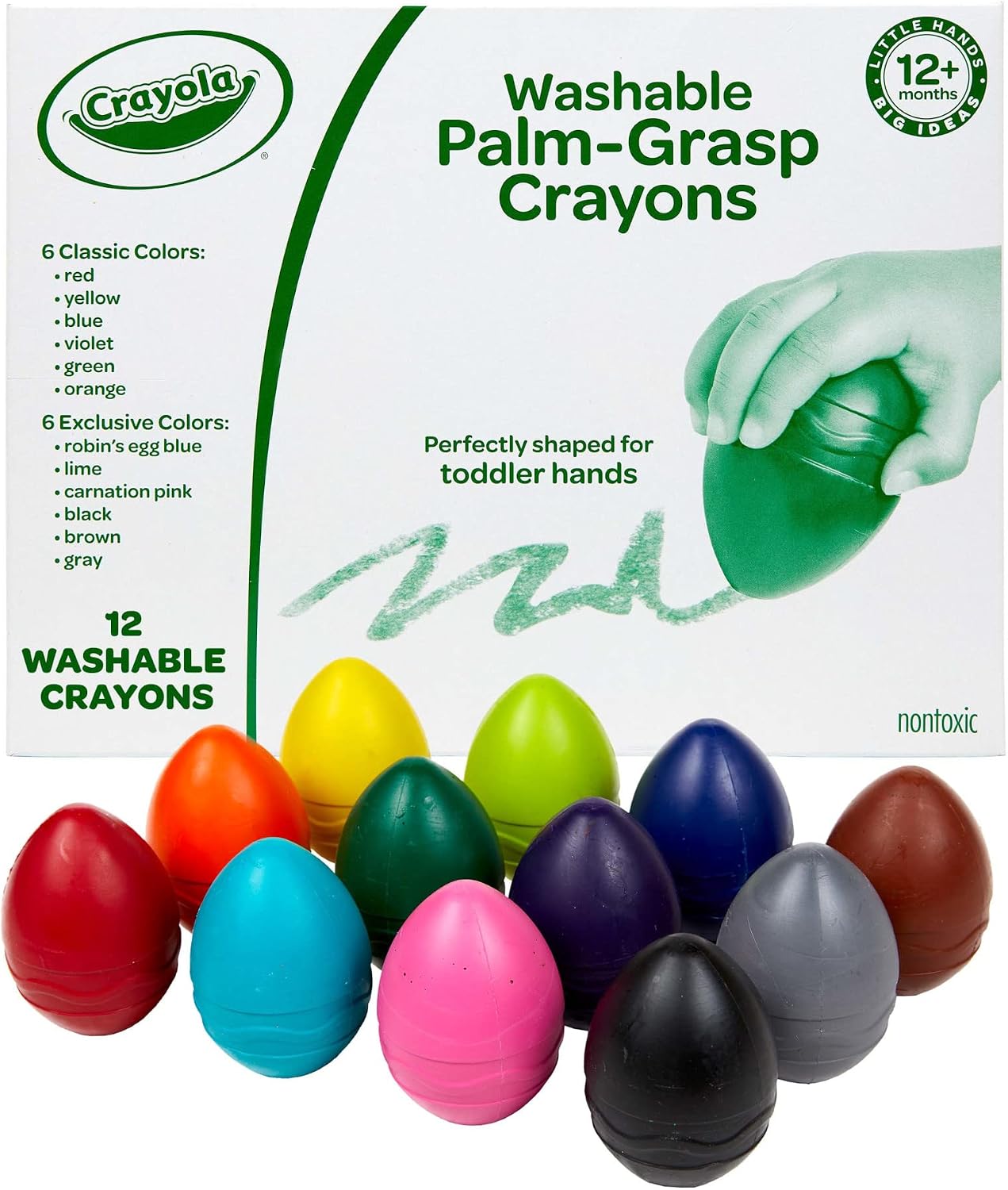
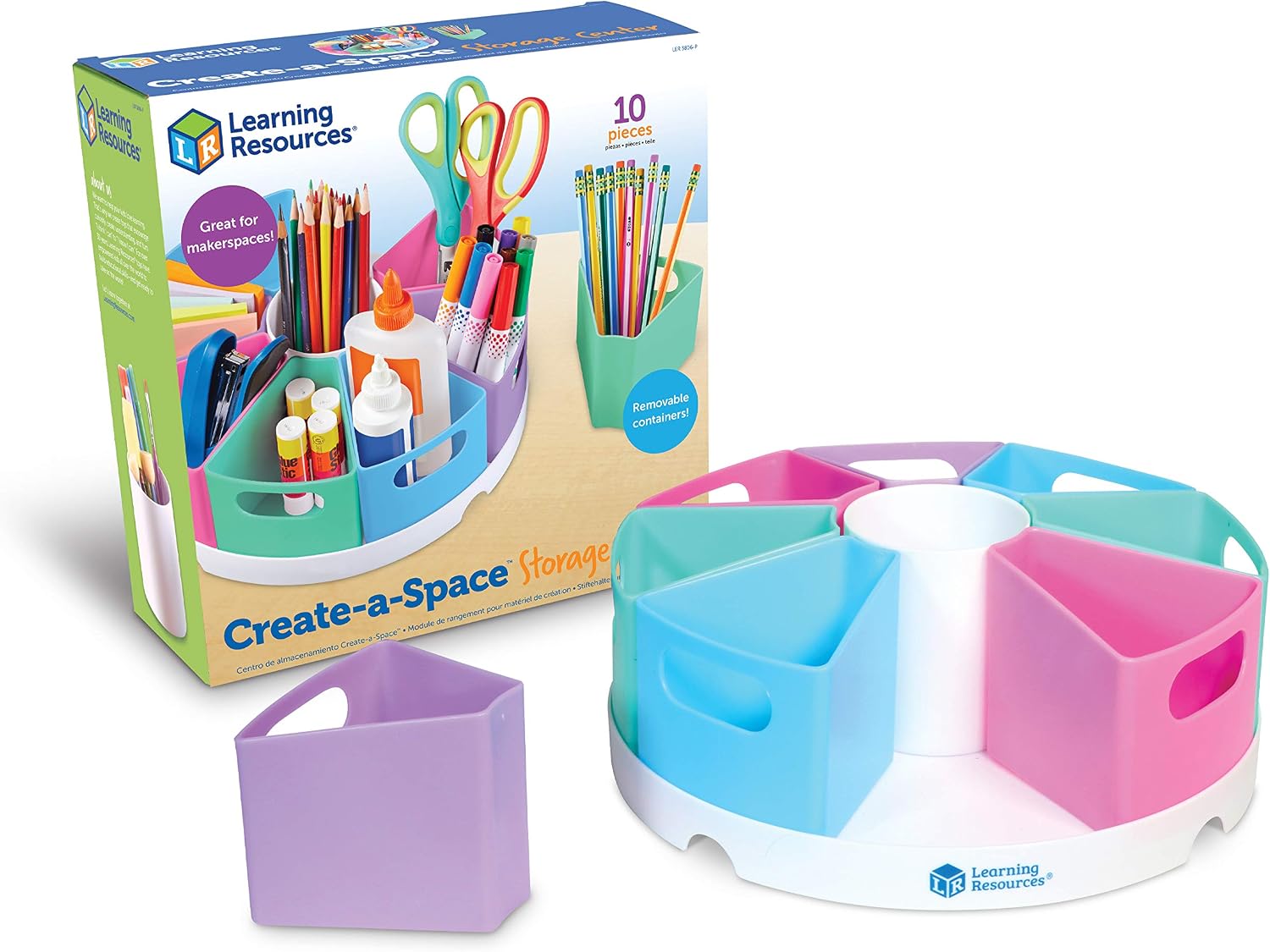
Handy for Coloring Time
Sensory Maze
Use tape or chalk to create a visual maze on the floor. Have participants trace the path visually or with small toy figures.
How to do it: Draw lines and challenge them to stay on track as they “follow the path.”

FAQs About Visual Sensory Activities
Visual sensory activities spark curiosity, improve skills, and promote joy through sight-based exploration. Here are some common questions to help you get started with confidence!
More Sensory Activities for Kids:
Remember to laugh, play, and have fun!
Visual sensory activities provide an excellent way to support development, encourage creativity, and share meaningful moments. Explore the vibrant world of visual play today!