
Tips to Help Parents Ease Back-to-School Anxiety


Back-to-school season can be a time of excitement, but for many families, it also comes with anxiety—both for kids and parents. The good news? With a little preparation and the right strategies tailored to your child’s age, you can make this transition less stressful.
Here’s a guide packed with practical tips and ideas to address back-to-school anxiety for preschoolers, elementary students, middle schoolers, and high schoolers.

Understanding Back-to-School Anxiety
Back-to-school anxiety can show up in different ways. Younger children might cling more or refuse to leave home, while older children may express their worries through irritability or silence. Taking steps to understand your child’s concerns goes a long way in helping them cope.
Anxiety is often rooted in fear of the unknown—meeting new teachers, navigating friendships, or handling academic pressure. Encouraging open communication, empathy, and building a toolbox of strategies can help your child feel more secure and confident.
This post contains affiliate links, which means I earn a commission when anything is bought. This is at no additional cost to you.
Shop My Homeschool Room:
Here are a few homeschool room picks you can find on Amazon. Click any image to see it. Yes, these are affiliate links.



Want more learning without printing more pages?
If your little one is between 2 and 8, ABCmouse is a full online curriculum of learning games, books and puzzles, so the practice keeps going on the days you are out of ink. Take a look at ABCmouse
Prefer something that shows up in the mailbox? Highlights High Five is made for ages 3 to 5, and the classic Highlights magazine picks up from 6 to 12. See High Five | See Highlights
Strategies for Preschoolers
Starting preschool is a big milestone, so it’s natural for younger children to feel nervous. Here’s how you can help ease their fears.
Visit the School Together
Familiarity is key for preschoolers. Schedule a visit to the school or daycare before the first day. Walk through the classroom, meet the teacher, and explore the playground to help your child develop a sense of comfort with their new environment.
Practice Separation
If your child hasn’t spent much time away from you, practice shorter separations leading up to school. Leave them with a trusted caregiver or family member while reassuring them that you’ll return—just as you will at school pickup.
Create a Consistent Goodbye Ritual
Establish a special goodbye routine, such as a hug, high-five, or a short phrase like “See you after school, superstar!” These small rituals give younger kids a sense of consistency and security.
Read “Going to School” Books
Storytime is a great way to ease preschool jitters. Books like “The Kissing Hand” by Audrey Penn introduce the concept of separating for the school day in a comforting way.
This post contains affiliate links, which means I earn a commission when anything is bought. This is at no additional cost to you.
Shop My Homeschool Room:
Here are a few homeschool room picks you can find on Amazon. Click any image to see it. Yes, these are affiliate links.
Want more learning without printing more pages?
If your little one is between 2 and 8, ABCmouse is a full online curriculum of learning games, books and puzzles, so the practice keeps going on the days you are out of ink. Take a look at ABCmouse
Prefer something that shows up in the mailbox? Highlights High Five is made for ages 3 to 5, and the classic Highlights magazine picks up from 6 to 12. See High Five | See Highlights
Strategies for Elementary School Kids
For kids in elementary school, anxiety often arises from academic expectations, social pressure, or new routines. Follow these steps to help them feel more prepared.
Meet the Teacher and Classmates
Before school starts, connect with the teacher to help your child build trust and familiarity. Many schools also organize meet-and-greet events, which are great for easing social concerns.
Encourage Role-Playing
If your child is worried about specific scenarios—introducing themselves, asking the teacher for help—role-play these situations at home. Practicing these moments can make them feel more prepared.
Create a Morning Routine
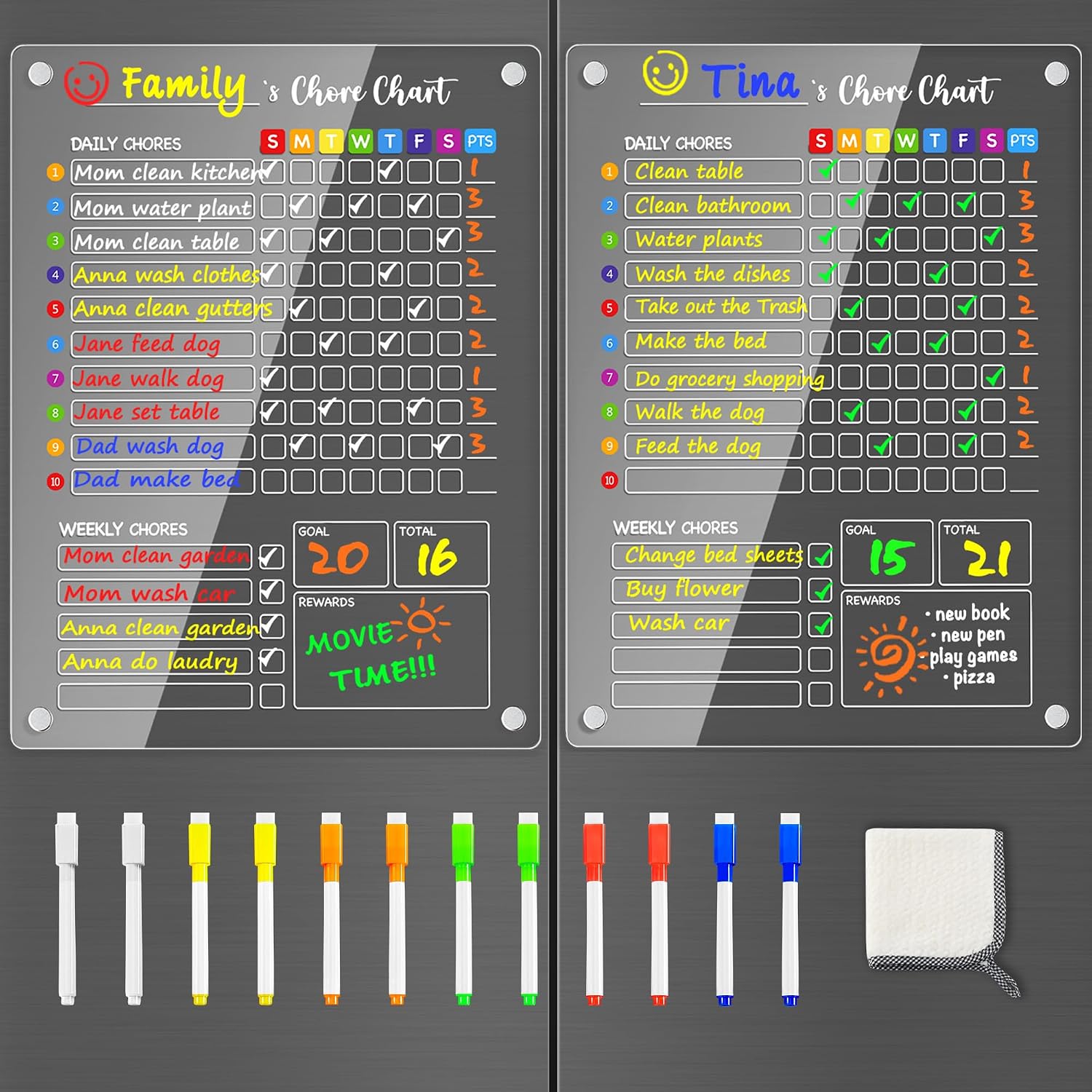
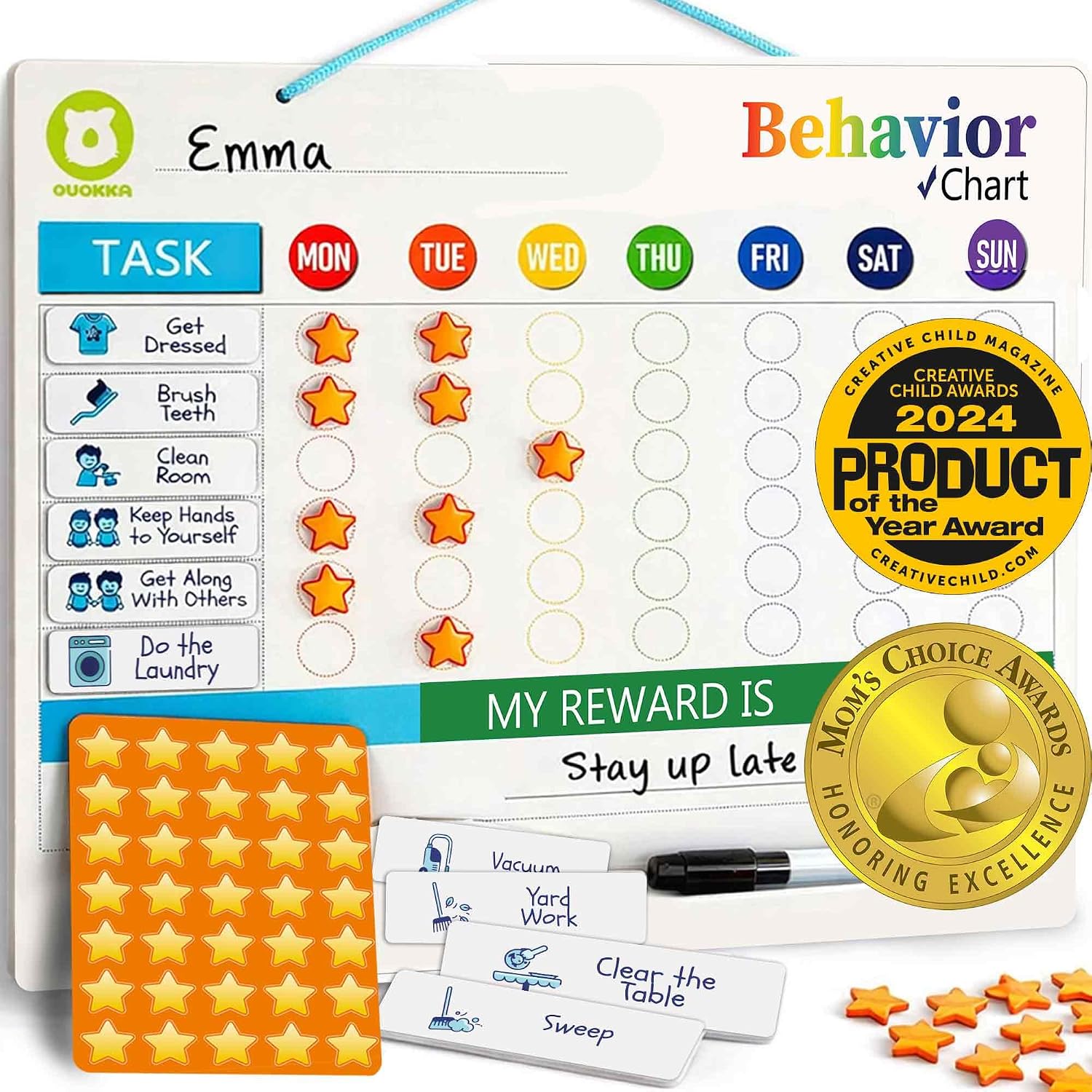
A consistent routine in the first week sets the tone for the school year. Start the day with a healthy breakfast and checklists to ensure everything—like their backpack, lunch, and homework—is ready to go.
Chore Chart Helpers

Use Positive Affirmations
Statements like “You’re so brave!” or “You’ve got this!” can become part of their daily mindset. Help your child develop a mantra for when they feel nervous.
Quote Gifts We Love



Strategies for Middle Schoolers
Middle school presents unique challenges, including balancing multiple classes, navigating peer relationships, and increasing independence. Here’s how you can help older kids manage their anxiety.
Would you like to save this?
Help with Organization
Middle school often means heavier workloads and multiple subjects. Teach your child to use planners or apps to track assignments and due dates. Keeping schoolwork organized helps reduce overwhelm.
Address Social Anxiety
Friendships become crucial during this stage, but they can also be a source of stress. Role-play conflict resolution or remind your child to focus on authentic connections rather than popularity.
Set Goal-Setting Talks
Middle school is a time to teach resilience. Sit down with your child and set both academic and personal goals for the year. Break them into manageable steps, turning what feels daunting into achievable milestones.
This post contains affiliate links, which means I earn a commission when anything is bought. This is at no additional cost to you.


Provide Reassurance
Middle schoolers might not vocalize their fears as much as younger kids. Reassure them by openly discussing your own challenges at that age and how you overcame them. This authenticity softens their experience.

Strategies for High Schoolers
Anxiety in high school often revolves around academic pressures, future planning, and social dynamics. Here’s how to offer support.
Focus on Time Management
High school students are juggling extracurricular activities, assignments, and possibly part-time jobs. Teach prioritization techniques or encourage dedicating specific blocks of time for studying.
Encourage Regular Check-Ins
Keep talking to your teens, even if they don’t open up immediately. Use low-pressure opportunities, such as car rides or walks, to ask how they’re feeling about school.
Promote Self-Care
High schoolers often overlook the importance of balance. Talk about sleep, nutrition, and downtime. Make sure weekends include time to recharge rather than overscheduling activities.
Tackle Fear of Failure
Whether it’s grades or college applications, failure can feel paralyzing. Shift the focus to learning and growth rather than outcomes. Share failure stories from your own life to normalize setbacks as a part of the success journey.

General Tips for Parents
Project Confidence
Kids of all ages notice your cues. Even if you’re worried, stay calm and confident. Use phrases like “I know you’ll get through this” to reinforce a positive outlook.
Keep Communication Open
Ask open-ended questions to encourage kids to share, like, “What’s on your mind about school?” Avoid dismissing their worries and focus on empathy.
Seek Professional Help When Needed
If anxiety feels unmanageable despite your efforts, consult a school counselor, therapist, or family doctor. Professional guidance can provide additional tools for managing stress effectively.
Celebrate Small Wins
Acknowledge achievements—finishing their first week, joining a club, or simply trying something new. Positive reinforcement builds confidence and motivation.
Pretend Play Activities
Print and let the kids explore with imaginative learning fun!


Back-to-school anxiety is tough, but it doesn’t have to overshadow the new academic year. Whether your child is just starting preschool or preparing for high school graduation, these age-specific strategies can help them face the school year with confidence.




great post here! It is so important for parents to realize that feelings of anxiety for kids can be a real issue. Thank you for sharing!
Communication is so important! Great tips.Pinned.
Monica