Montessori vs. Waldorf Pretend Play


When determining the best approach to imaginative play for kids, comparing Montessori vs. Waldorf pretend play reveals two surprisingly different ways of sparking creativity and learning. Both methods have much to offer, but they take distinct paths to fostering a child’s growth and imagination.
Whether you’re curious about Montessori’s focus on reality-driven activities or Waldorf’s love of magical, open-ended play, this complete pretend play guide breaks down the key differences to decide which might be right for your family.
Montessori leans into practical, real-world tasks that build independence, while Waldorf embraces storytelling, fantasy, and creative expression. Both approaches value imaginative play, but their styles, tools, and goals couldn’t be more different.

Keep reading as we explore what makes each philosophy unique, the benefits they offer, and how to choose the best fit for your child’s personality and needs.
Overview of Montessori and Waldorf Philosophies
When exploring the differences between Montessori and Waldorf approaches, it’s clear that these educational philosophies take unique paths to helping children learn and grow.
Both celebrate the importance of play but define it in very different ways, shaping how children engage with the world around them. Here’s a closer look at what makes each stand out.
Montessori Philosophy
Montessori focuses on helping kids connect with the real world through hands-on, practical learning. It’s all about fostering independence and allowing children to lead their exploration. Key features include:
- Reality-Driven Activities: Kids learn by pouring water, preparing snacks, or gardening. These exercises mimic real-life skills.
- Child-Led Exploration: Instead of structured lessons, kids are encouraged to follow what interests them.
- Building Focus and Order: Activities are designed to nurture concentration and organization.
Waldorf Philosophy
Waldorf prioritizes creativity and imagination, nurturing a child’s emotional and artistic growth. Its methods feel a bit more magical and free-flowing. Highlights include:
- Imaginative Play: There’s a big emphasis on storytelling, fantasy, and open-ended games.
- Holistic Learning: Activities blend art, rhythm, and free expression for well-rounded growth.
- Empathy and Resilience: Imaginative experiences help kids connect emotionally and build problem-solving skills.
Both philosophies encourage play, but how they approach it couldn’t be more different!
This post contains affiliate links, which means I earn a commission when anything is bought. This is at no additional cost to you.
Shop My Homeschool Room:
Here are a few homeschool room picks you can find on Amazon. Click any image to see it. Yes, these are affiliate links.



Want more learning without printing more pages?
If your little one is between 2 and 8, ABCmouse is a full online curriculum of learning games, books and puzzles, so the practice keeps going on the days you are out of ink. Take a look at ABCmouse
Prefer something that shows up in the mailbox? Highlights High Five is made for ages 3 to 5, and the classic Highlights magazine picks up from 6 to 12. See High Five | See Highlights
How Each Method Approaches Pretend Play
Montessori and Waldorf schools both value pretend play, but they go about it in entirely different ways. Montessori leans towards realistic, everyday scenarios, while Waldorf fully embraces the world of fantasy and imagination.
Here’s how each method shapes this crucial part of a child’s development.
Montessori’s Take on Pretend Play
Montessori keeps play grounded in reality to help kids connect with the real world. Here’s what that looks like:
- Reality-Based Activities: Play revolves around tasks that mimic real-life, like cleaning, cooking, or gardening.
- Child-Sized Tools: Kids use materials like miniature brooms, kitchen utensils, or watering cans that work.
- Role-Playing Real Life: Pretend play reflects daily routines, helping children practice independence and responsibility.
Waldorf’s Spin on Fantasy Play
On the other hand, Waldorf brings in an element of magic and wonder through pretend play. Key features include:
- Whimsical Props: Toys like wooden figures, play silks, and handmade dolls encourage imaginative storytelling.
- Fantasy Themes: Children act out fairy tales or invent their dream-like adventures.
- Storytelling and Puppetry: Teachers and kids co-create rich, narrative-driven play sessions, fostering creativity and emotional growth.
Both approaches make pretend play meaningful, but their styles highlight very different opportunities for learning and growth.
Pretend Play Activities
Print and let the kids explore with imaginative learning fun!


Benefits of Each Play Style
Montessori and Waldorf play styles bring incredible benefits to a child’s growth, but they focus on different aspects of development. Whether they encourage practical life skills or nurture endless creativity, both approaches encourage meaningful play. Here’s what makes each one special.
Montessori Play Benefits
Montessori play prepares kids for real-life experiences by promoting independence and practical skills. Some key benefits include:
Would you like to save this?
- Problem-Solving and Skill-Building: Everyday tasks like cooking or cleaning help children develop real-world problem-solving abilities.
- Encouraging Self-Sufficiency: Kids learn to care for themselves and their environment, building confidence from a young age.
- Enhancing Focus and Order: The structured nature of activities promotes concentration and a sense of accomplishment.
Waldorf Play Benefits
Waldorf play opens the door to imagination and emotional growth through creativity and storytelling. Children learn to see the world in unique ways. Benefits include:
- Fostering Creativity: Open-ended play encourages kids to think beyond the box and stretch their imagination.
- Building Emotional Resilience: Storytelling and role-playing help children process emotions and understand others’ perspectives.
- Adaptability Through Imagination: Complex, make-believe scenarios challenge kids to adapt and problem-solve creatively.
At their core, both Montessori and Waldorf approaches inspire curiosity, self-led exploration, and emotional growth. They may travel different roads, but both lead to well-rounded, happy, and thoughtful learners.


Which Is Right for My Child?
Choosing between Montessori and Waldorf can feel like a big decision, but it doesn’t have to be overwhelming. The key is to focus on your child’s unique needs and how either (or both!) approaches align with their personality and learning style. Here’s how to figure it out.
Understanding Your Child’s Needs
Every child is different, so start by considering their natural tendencies and strengths.
- Do they thrive on structure or independence? A Montessori approach might be a good fit.
- Are they drawn to fantasy and storytelling? Waldorf’s imaginative play style could be ideal.
- Think about how your child naturally engages with the world. Are they hands-on learners, or do they love creating stories and scenarios?
Tips for Blending Approaches
Who says you have to choose just one? Mixing elements of both methods can create a balanced play environment.
- Combine Props: Pair child-sized Montessori tools with whimsical Waldorf toys during playtime to encourage practical skills and creativity.
- Blend Activities: Use Waldorf storytelling techniques alongside Montessori’s life-skill activities to give your child a taste of both worlds.
Making an Intentional Choice
Ultimately, the right choice depends on your family’s values and lifestyle.
- Consider the principles that matter most to you, like independence, imagination, or emotional growth.
- Consider how easily each method integrates into your daily routine. Does one align better with your parenting style?
- Remember, there’s no one-size-fits-all. The best choice is the one that helps your child learn, grow, and thrive.
By understanding your child and remaining open to flexibility, you can create an enriching environment that is perfect for them.
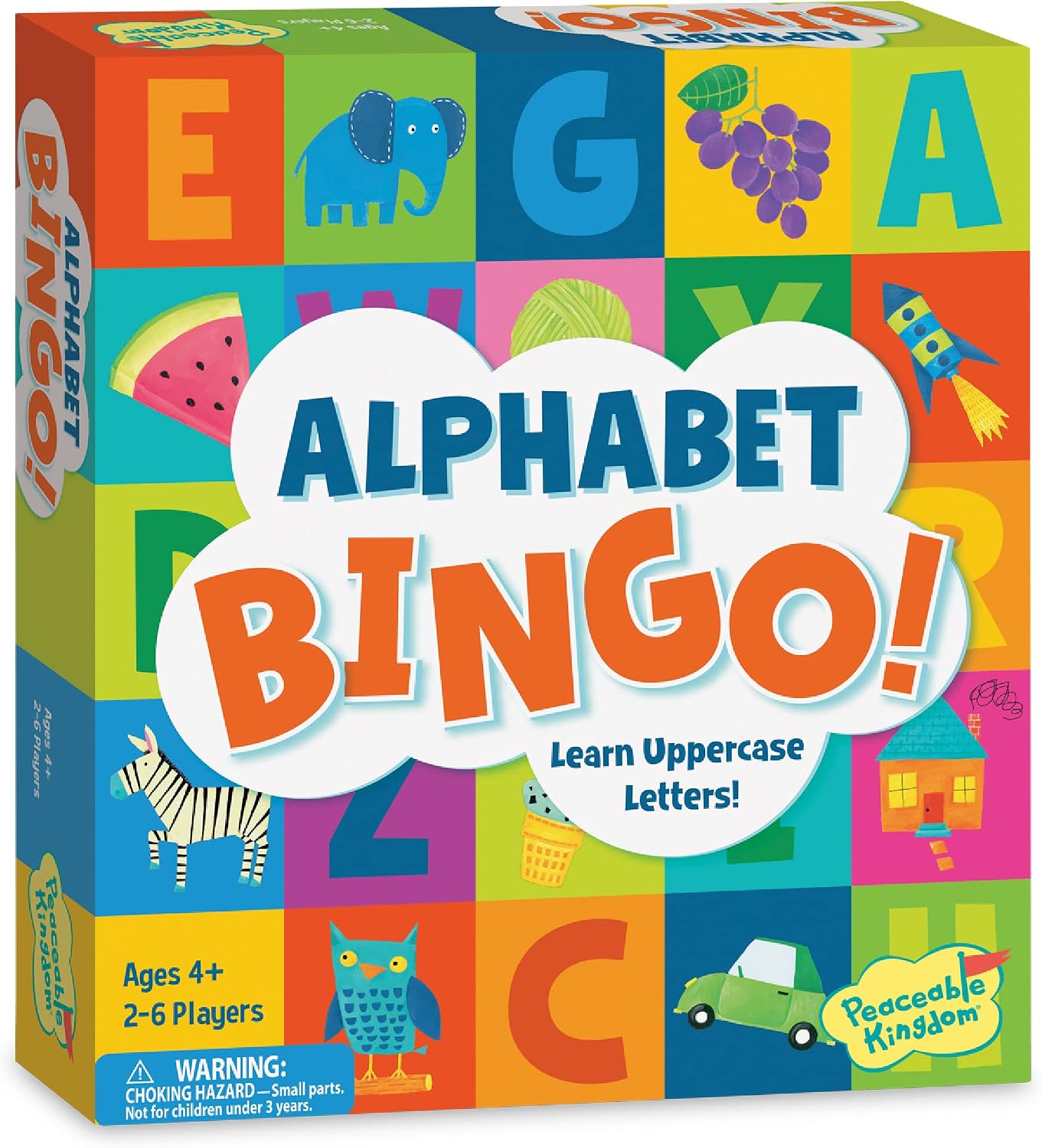
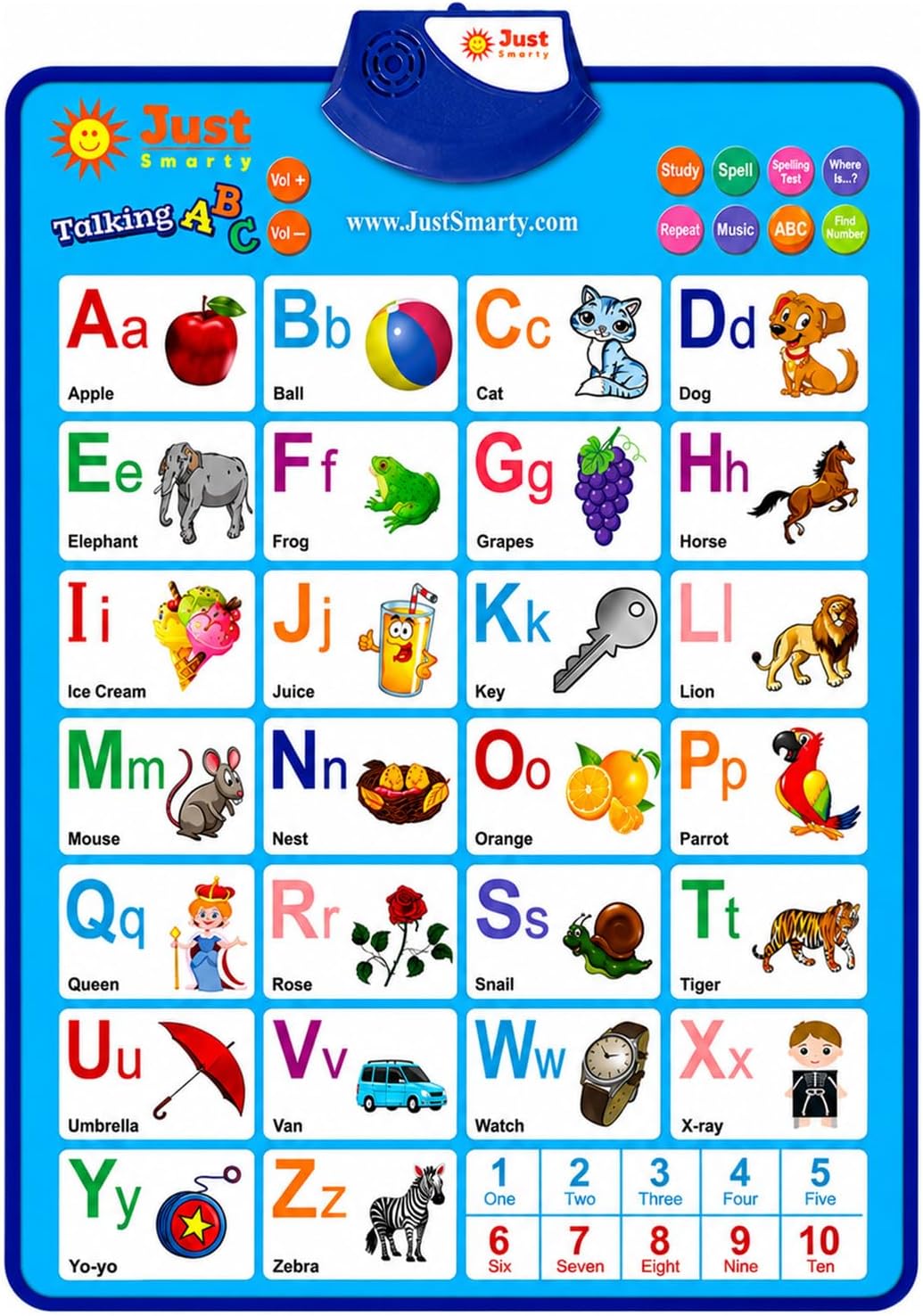
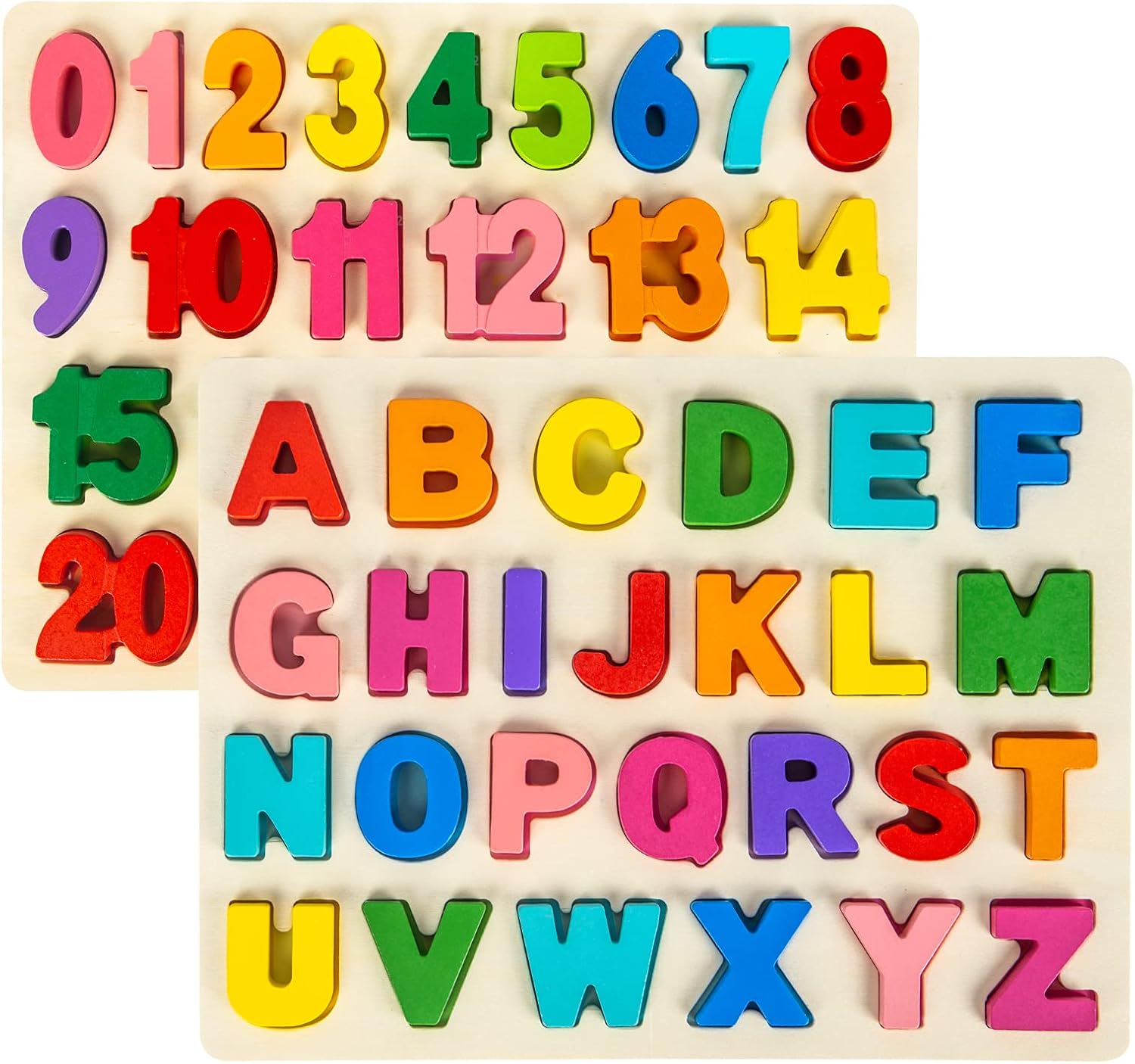
Handy for Learning Letters
FAQs about Montessori and Waldorf pretend play
Curious about Montessori and Waldorf pretend play? Below are quick answers to common questions to help you decide which approach suits your child best.

More Pretend Play Resources:
Pretend play is essential to childhood development. It fosters creativity, problem-solving, and social skills. It allows children to explore different roles and scenarios, helping them build confidence and emotional understanding.
Pretend Play Activities
Print and let the kids explore with imaginative learning fun!
Providing the right resources can enhance these imaginative experiences.
Choosing between Montessori and Waldorf for pretend play depends on your child’s learning interests and personality.
Montessori offers a reality-grounded approach to instill independence and focus, while Waldorf nurtures creativity and a love for storytelling.
By understanding how each method approaches imagination and play, you can make an informed choice that aligns with your family’s needs.
Don’t forget, combining elements from both approaches can provide even more diverse learning experiences for your child’s development.