
Find the Letter Printables: V is for Valentine


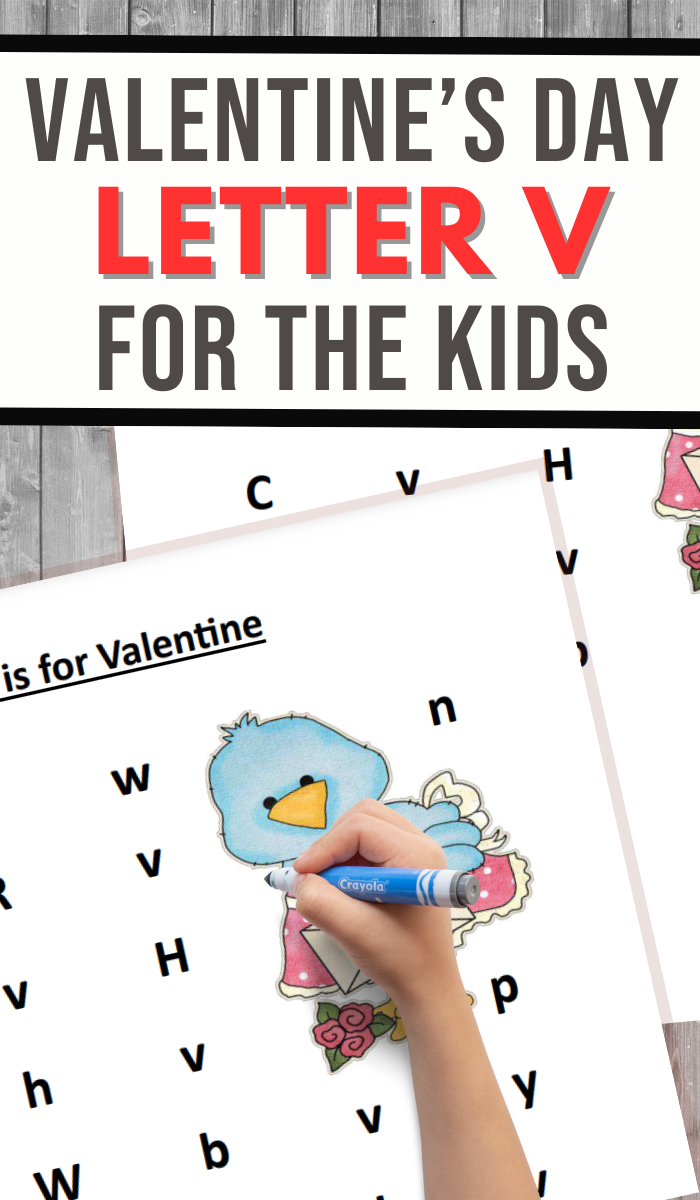
These Find the Letter Printables: V is for Valentine will help your preschool and early-elementary aged children work on recognizing the letter V among many other letters of the alphabet.
Just in time for Valentine’s Day, this themed worksheet is a perfect extra for your reading preparedness studies!

Over the next few weeks, I will be sharing some free Find the Letter Printables and other resources to help you teach your children to learn all about the Alphabet.
I hope you find these homeschooling freebies useful for you in your homeschool
You can have the kids learn shapes by putting a circle around the capital ‘V’ and a square around the Lower Case ‘v’.
They could use different colors: for example, green around the “big V” and blue around the “little v”.
What are the positives of individual letter learning?
Individual letter learning has numerous benefits for children. One advantage is that it offers greater flexibility, allowing each learner to work at his or her own pace.
It also offers the individual student a greater sense of accomplishment than group-based learning.
Additionally, individual letter learning lets learners focus on honing their observational skills to better recognize letters, rather than relying solely on auditory cues.
This post contains affiliate links, which means I earn a commission when anything is bought. This is at no additional cost to you.
Shop My Homeschool Room:
Here are a few homeschool room picks you can find on Amazon. Click any image to see it. Yes, these are affiliate links.


Want more learning without printing more pages?
If your little one is between 2 and 8, ABCmouse is a full online curriculum of learning games, books and puzzles, so the practice keeps going on the days you are out of ink. Take a look at ABCmouse
Prefer something that shows up in the mailbox? Highlights High Five is made for ages 3 to 5, and the classic Highlights magazine picks up from 6 to 12. See High Five | See Highlights
What are the benefits of finding the letter activities?
Find the letter activities offer numerous educational benefits to children. Research has shown that kindergartners who participated in such exercises increased their proficiency in both literacy skills and fine motor skills.
Additional studies have indicated that letter activities encourage critical thinking and problem-solving skills, as they challenge children to use various strategies to locate specific letters among a range of objects or symbols.
Finally, these types of activities boost reading fluency and legibility, enabling students to recognize words more quickly, comprehend written language more accurately, and generate inspired new stories with greater ease.
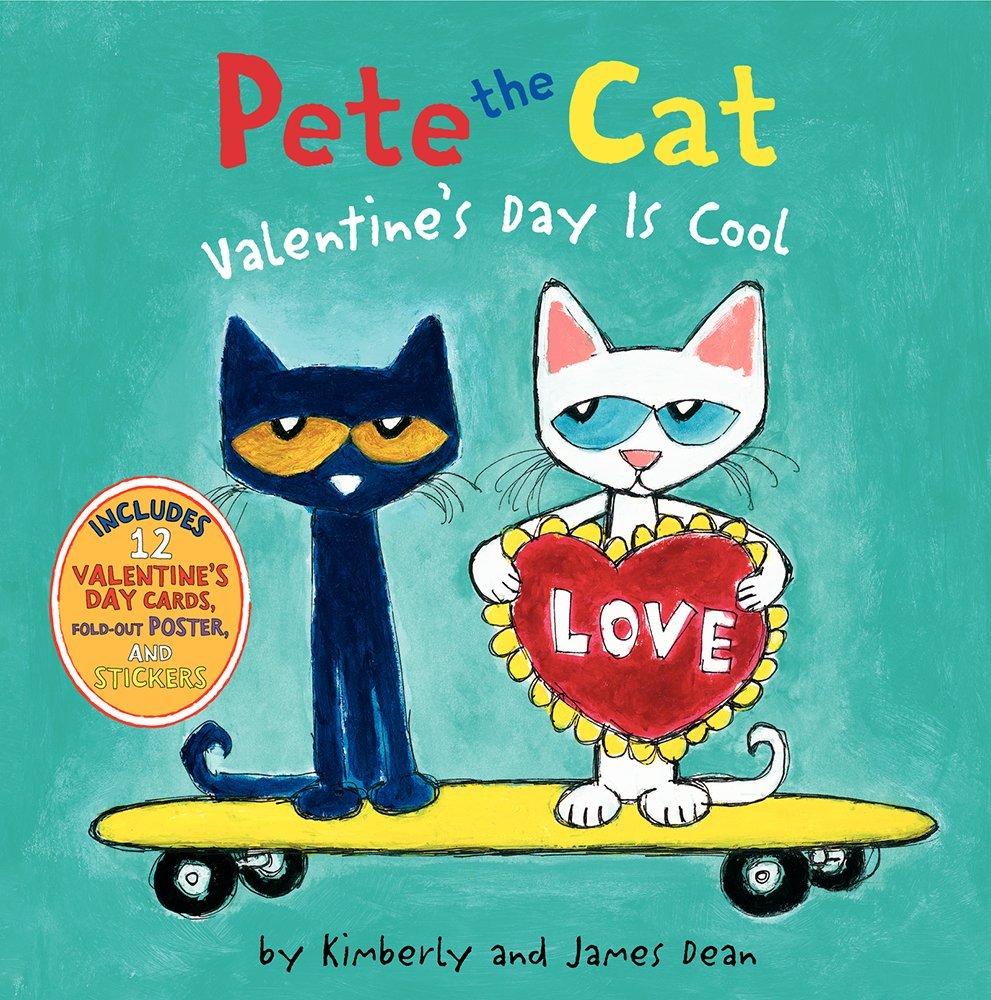
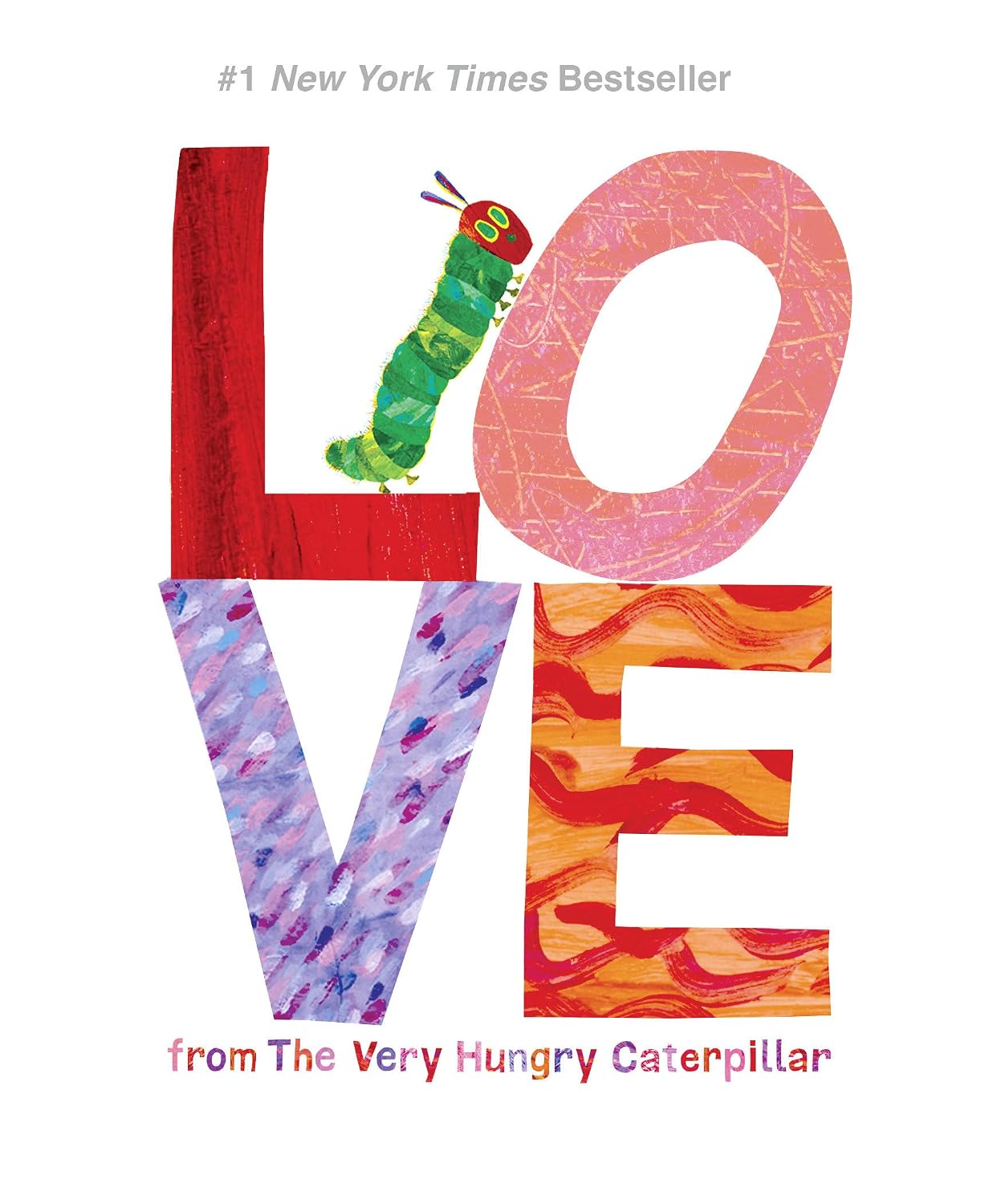
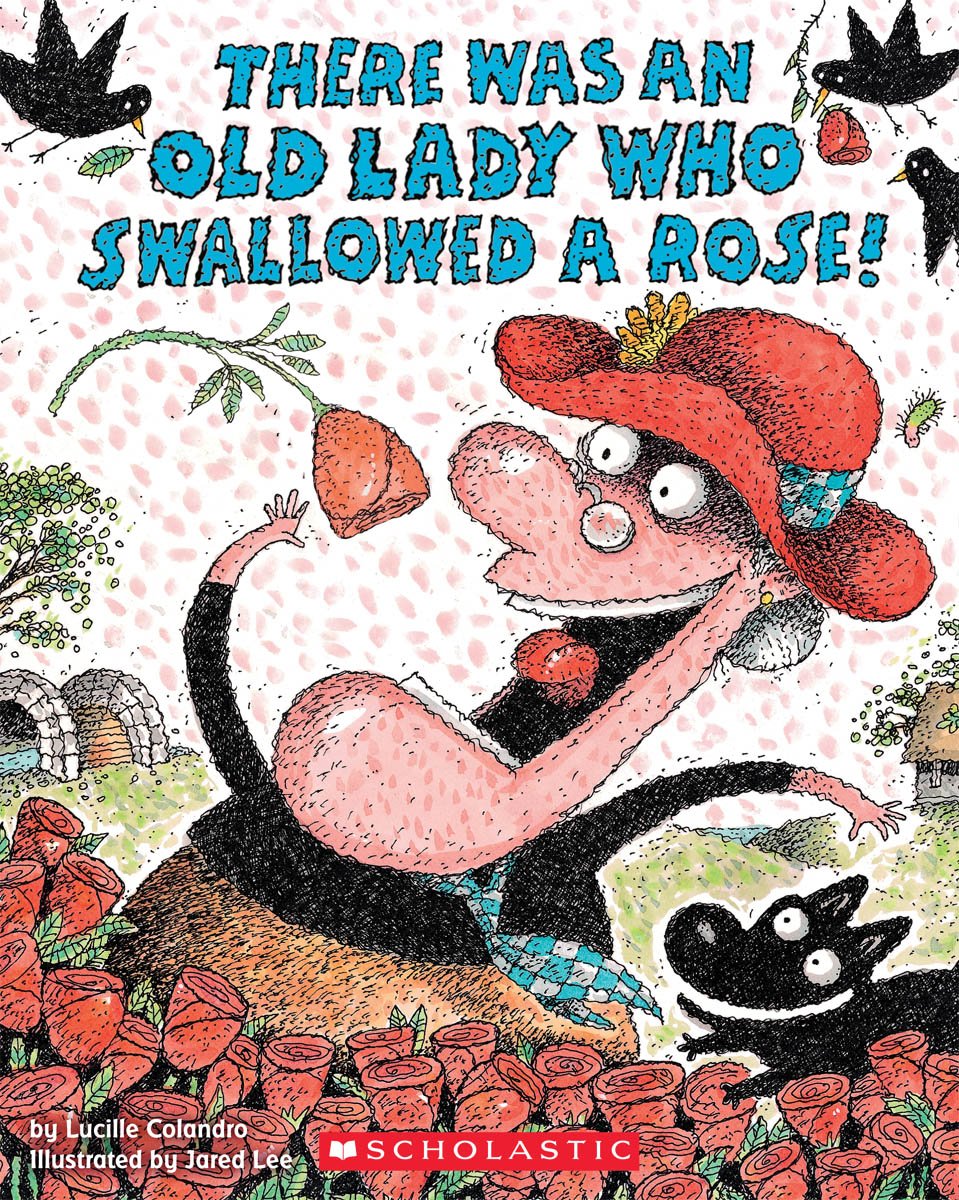
Valentine Read-Alouds
Valentine Learning Activities
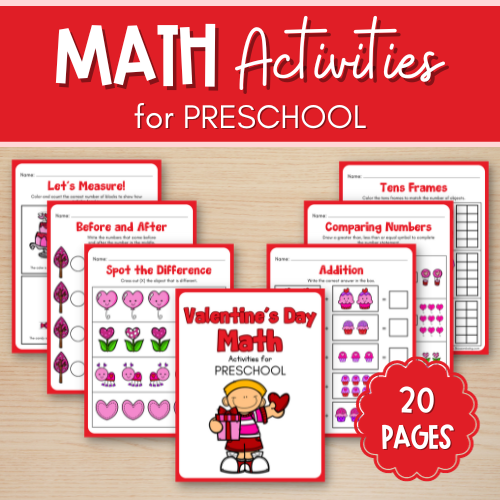
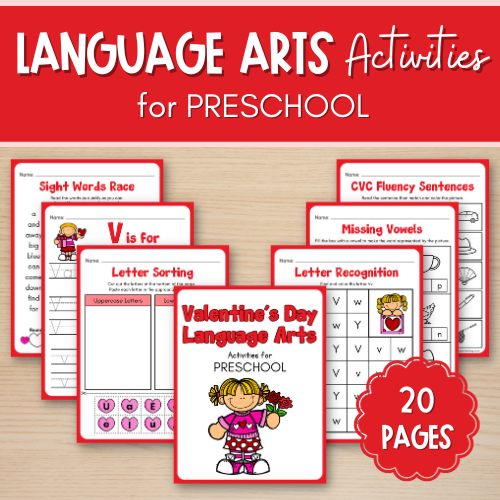
Check out the fun Valentine’s Day-themed learning activities in my shop!

How often should kids work on letter learning?
When it comes to letter recognition and learning, consistency is key. Children should spend some time each day actively working on understanding letter names, shapes, and sounds.
By establishing a daily routine that includes activities such as alphabet books, puzzles, and practice writing sheets, children can build a solid foundation of knowledge vital to reading success.
Further, exposing kids to regular conversations about letters will help foster healthy literacy habits from an early age.
With these continual exposures, children will soon become more comfortable identifying letter names quickly and be better prepared for further literacy instruction down the road.
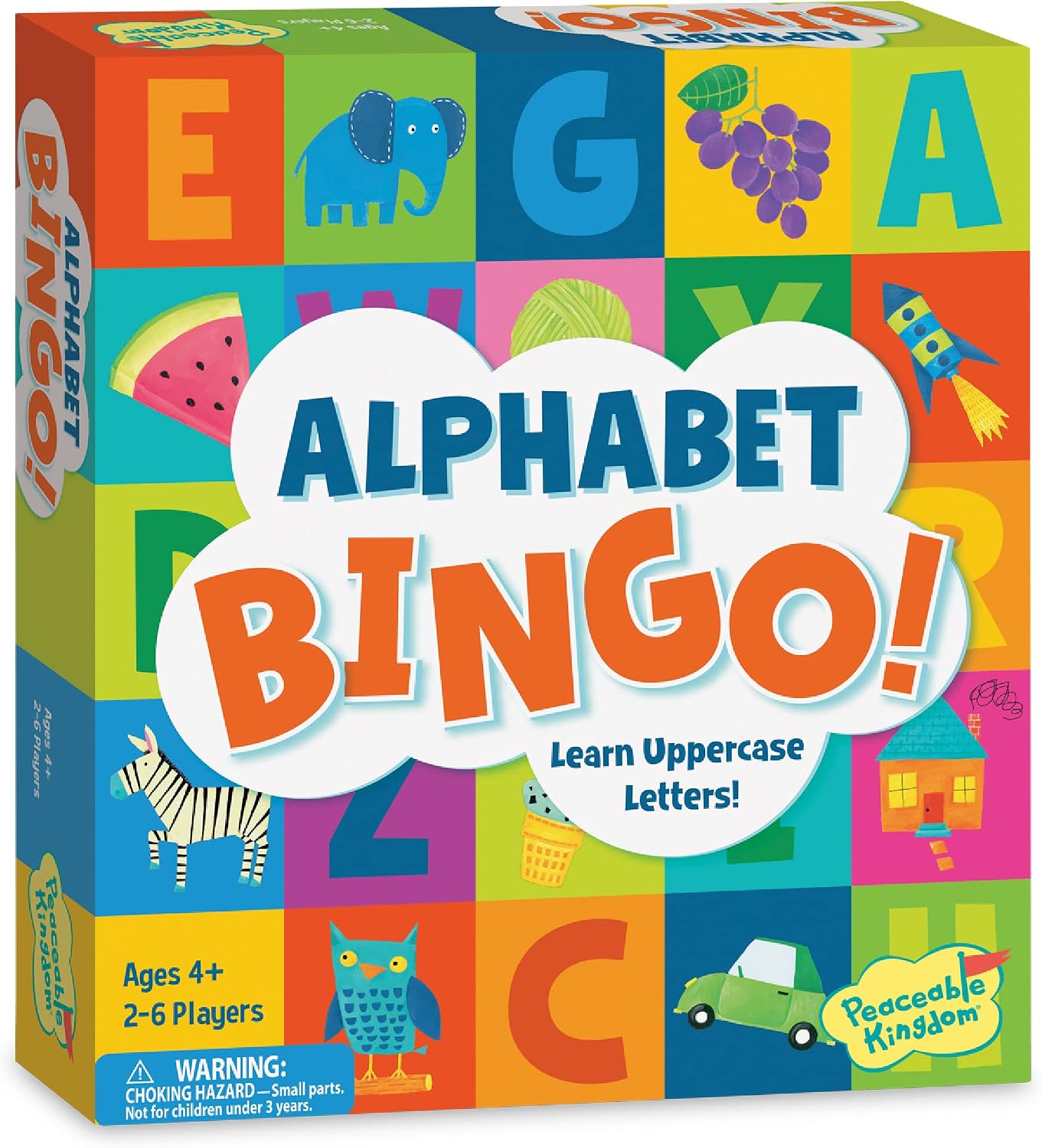
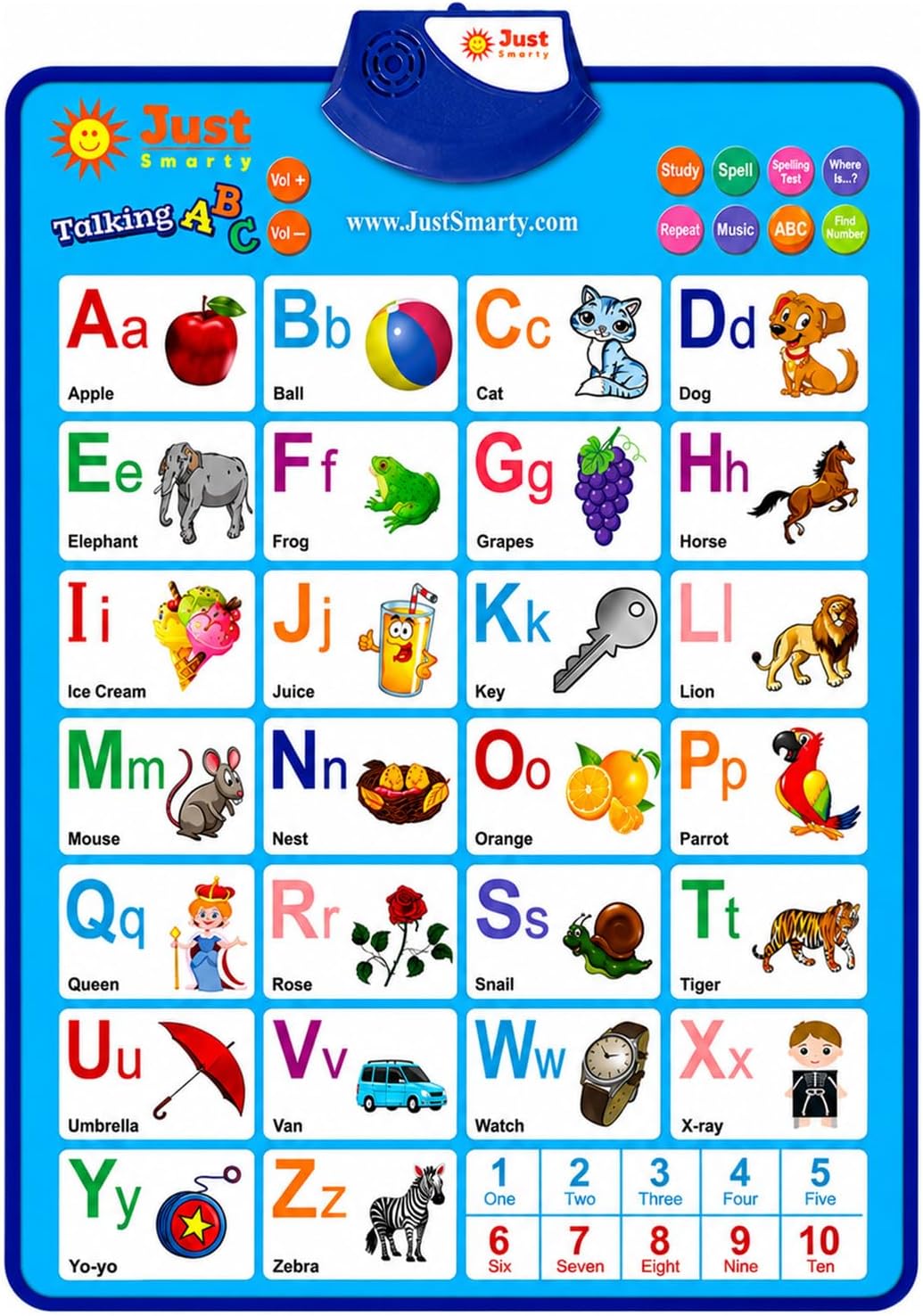
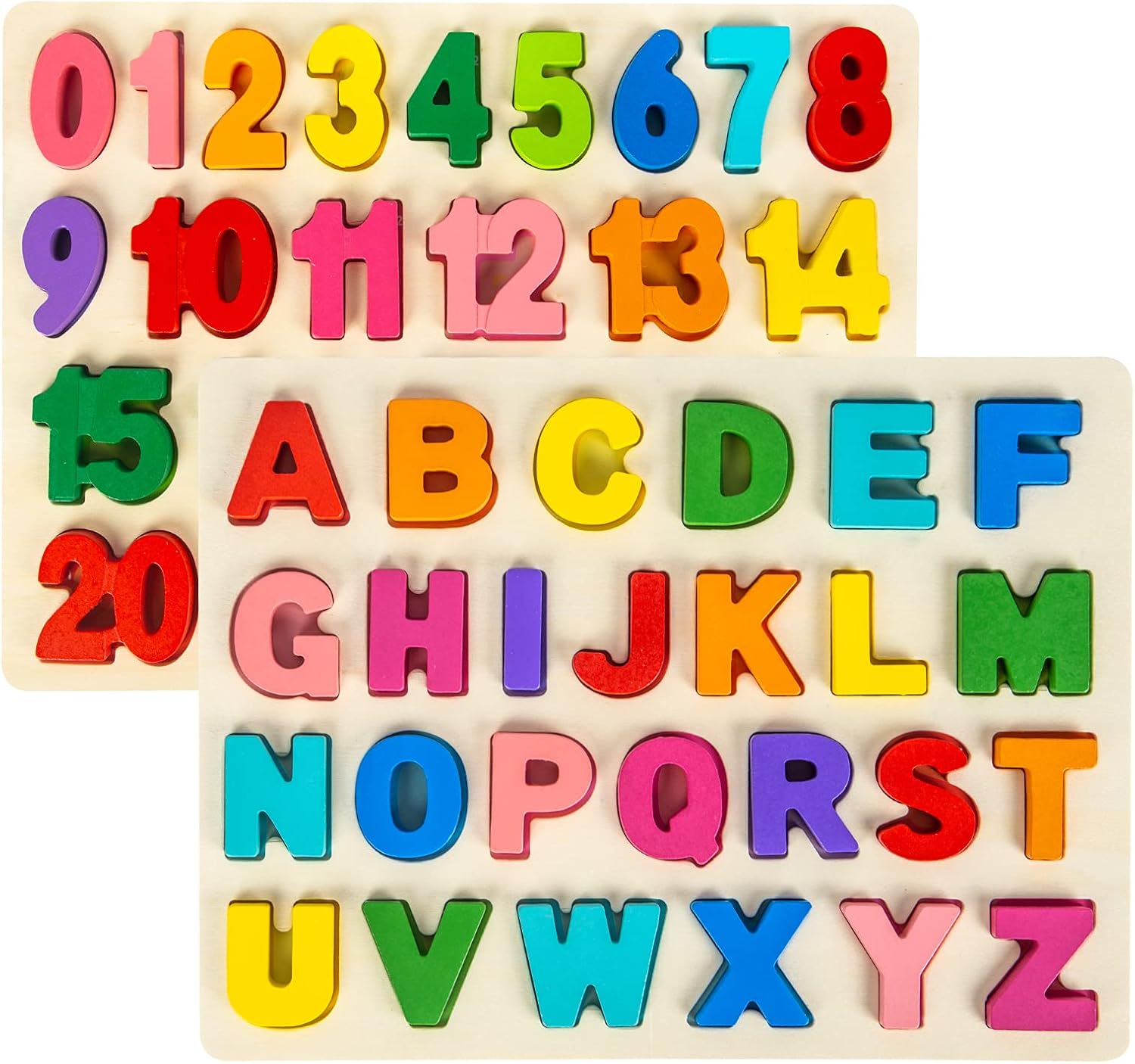
Handy for Learning Letters
How do I encourage my child to work on letter-learning activities daily?
One of the most effective ways to encourage a child to focus on letter-learning activities is through consistent reinforcement.
Developing a simple reward system for this type of work can motivate children. Rewards should not require significant additional expenditure, as children are generally more interested in recognition than rewards themselves.
Furthermore, there is nothing quite like the satisfaction that comes with completing a task; some parents find that providing their children with tasks they understand makes them feel competent and successful, leading them to become intrinsically motivated to keep learning.
When letter-learning activities become fun rather than a chore, they can help spark a genuine enjoyment of learning that will persist into adulthood.
What are the easiest letters of the alphabet for children to recognize?
As developing literacy skills is an important part of a child’s learning journey, it is crucial to understand which letters of the alphabet are the easiest for children to recognize.
Research has found that when introducing letters to children, the best place to start is with those that have linear shapes and simple construction, like A, B, C, and D.
This is because these symbols are easy for young learners to remember visually. Additionally, many people opt for teaching specific letter sounds before letter names.
This strategy can also aid early recognition, as it helps children more easily remember the association between each letter and its sound.
Fun Letter Finds:
Get Your Alphabet Printable By Signing In or Signing Up!



Super cute printable! Thanks for sharing at Funtastic Friday.