
What Are Developmental Skills? A Parent’s Guide
Developmental skills are the abilities children build as they grow, from grabbing a toy and taking first steps to solving a puzzle, taking turns and telling a story. They fall into four main areas: physical, cognitive, social and emotional, and language.
Knowing what these skills are, and roughly when they show up, makes it easier to see what your child is ready for next. When you want hands-on ideas, our child development skills hub has every guide and activity sorted by skill area.
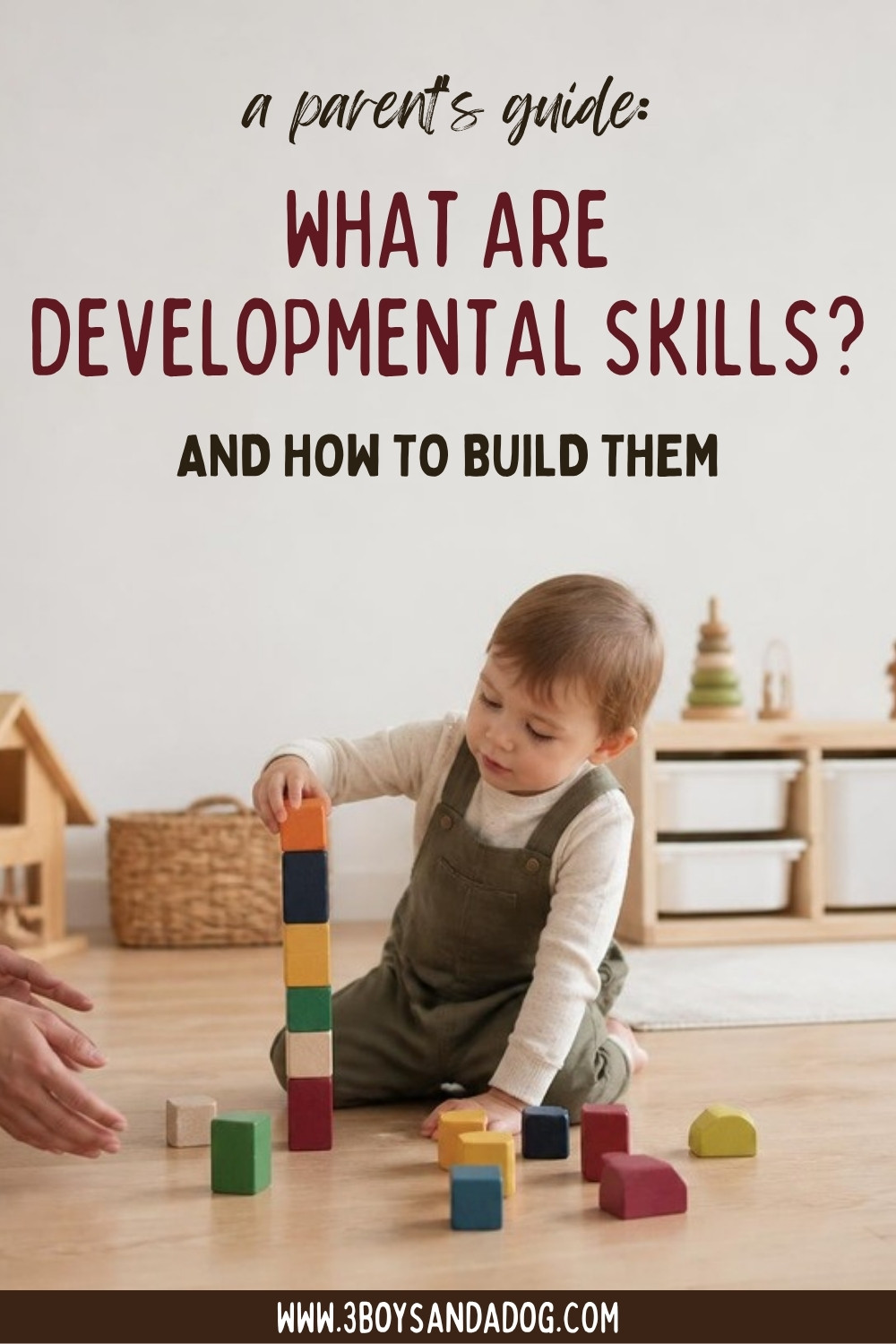
Below is a closer look at each skill area, what typical development looks like, signs that may be worth a conversation with your pediatrician, and easy ways to practice at home.
Understanding Child Development Skills
Child development skills refer to the abilities children acquire as they progress through different stages of life.
These skills include physical abilities like running and jumping, cognitive skills such as problem-solving, social skills like sharing and cooperating with others, and language skills that encompass understanding and communicating effectively.
These skills are crucial because they lay the foundation for a child’s future learning and development.
Shop My Homeschool Room:
Here are a few homeschool room picks you can find on Amazon. Click any image to see it. Yes, these are affiliate links.



Want more learning without printing more pages?
If your little one is between 2 and 8, ABCmouse is a full online curriculum of learning games, books and puzzles, so the practice keeps going on the days you are out of ink. Take a look at ABCmouse
Prefer something that shows up in the mailbox? Highlights High Five is made for ages 3 to 5, and the classic Highlights magazine picks up from 6 to 12. See High Five | See Highlights
The Importance of Child Development Skills
These skills play a significant role in a child’s cognitive, emotional, and physical development. They contribute to academic success by enhancing a child’s ability to focus, understand complex concepts, and retain information.
Furthermore, these skills have long-term benefits, as they shape a child’s personality and influence their professional and personal lives in adulthood.
Predictable Development Patterns
Child development is a continuous process that unfolds over time. It follows a predictable pattern and timeline, starting from simple skills and progressing to more complex ones.
For instance, most children start by learning to crawl, stand, and walk.
This general development timeline serves as a useful benchmark for parents and caregivers. It helps them understand what to expect at different stages of a child’s life and gauge their child’s progress.
Identifying Developmental Delays
For example, if a child is not saying single words by the age of 2 or not playing pretend games by age 3, parents or caregivers might want to consult a pediatrician or a child development specialist.
These could be signs of potential developmental delays. However, it’s important to remember that every child is unique and may not fit perfectly into these general timelines.
Some children may develop certain skills earlier or later than their peers, which can be perfectly normal. The key is to look for steady progress and improvement over time.
Seeking Professional Advice
If parents or caregivers have concerns about their child’s development, seeking professional advice is always a good idea.
Early intervention can significantly improve the treatment of potential developmental delays and support for the child’s future growth and success.
List of Key Child Development Skills
Child development skills are the core abilities children gradually acquire as they navigate through various early life stages.
These skills are categorized into four main areas: physical, cognitive, social and emotional, and language skills.
Physical Skills
Physical abilities primarily include motor skills, further divided into fine and gross motor skills.
Fine motor skills involve small movements that use the fine muscles in the hands and fingers. Examples include picking up small objects, holding a pencil, and buttoning a shirt.
Gross motor skills, on the other hand, involve larger movements where children use their arms, legs, or entire body—activities like running, jumping, and throwing fall under this category.
These skills are crucial for a child’s physical development and independence.
Cognitive Skills
Cognitive skills are related to thinking or cognition. They involve learning, understanding, problem-solving, reasoning, and memory.
Would you like to save this?
These skills help children understand the world and are critical for academic success.
For instance, problem-solving skills enable children to tackle complex tasks and overcome challenges, while memory skills help them retain and recall information when needed.
- Problem-Solving Skills
- Memory and Recall Skills
- Understanding Cause and Effect
- Sorting Skills
- Observation Skills
- Discovery Skills
- Visual Discrimination
- Spatial Awareness
Social and Emotional Skills
Social and emotional skills involve a child’s ability to interact with others and manage their emotions.
These skills include sharing, cooperation, empathy, understanding, and expressing one’s feelings appropriately.
Developing strong social and emotional skills helps children build healthy relationships with their peers and adults and contributes to their mental and emotional well-being.
- Empathy
- Communication Skills
- Creativity
- Imagination
Language Skills
Language skills encompass a child’s ability to communicate effectively. This includes listening, speaking, reading, and writing.
These skills are fundamental for a child’s ability to express their thoughts and feelings, understand others, and learn new concepts.
Language skills significantly affect a child’s academic performance and social interactions.
- Listening Skills
- Speaking Skills
- Reading Skills
- Writing Skills
- Language skills
By categorizing these skills into physical, cognitive, social, emotional, and language, it is easier to focus on each development area.
Everyday Ways to Build Developmental Skills
Enhancing Physical Skills
For physical skills, activities like playing catch are great ways to enhance gross motor skills and hand-eye coordination.
This activity involves large movements and requires the child to track the ball visually, promoting both physical strength and visual focus.
Developing Social and Emotional Skills
Regarding social and emotional skills, role-playing games can foster empathy and communication skills.
When children take on different roles, they learn to understand and express different perspectives, which boosts their empathy.
These games also require them to clearly communicate their thoughts and ideas, enhancing their communication skills.
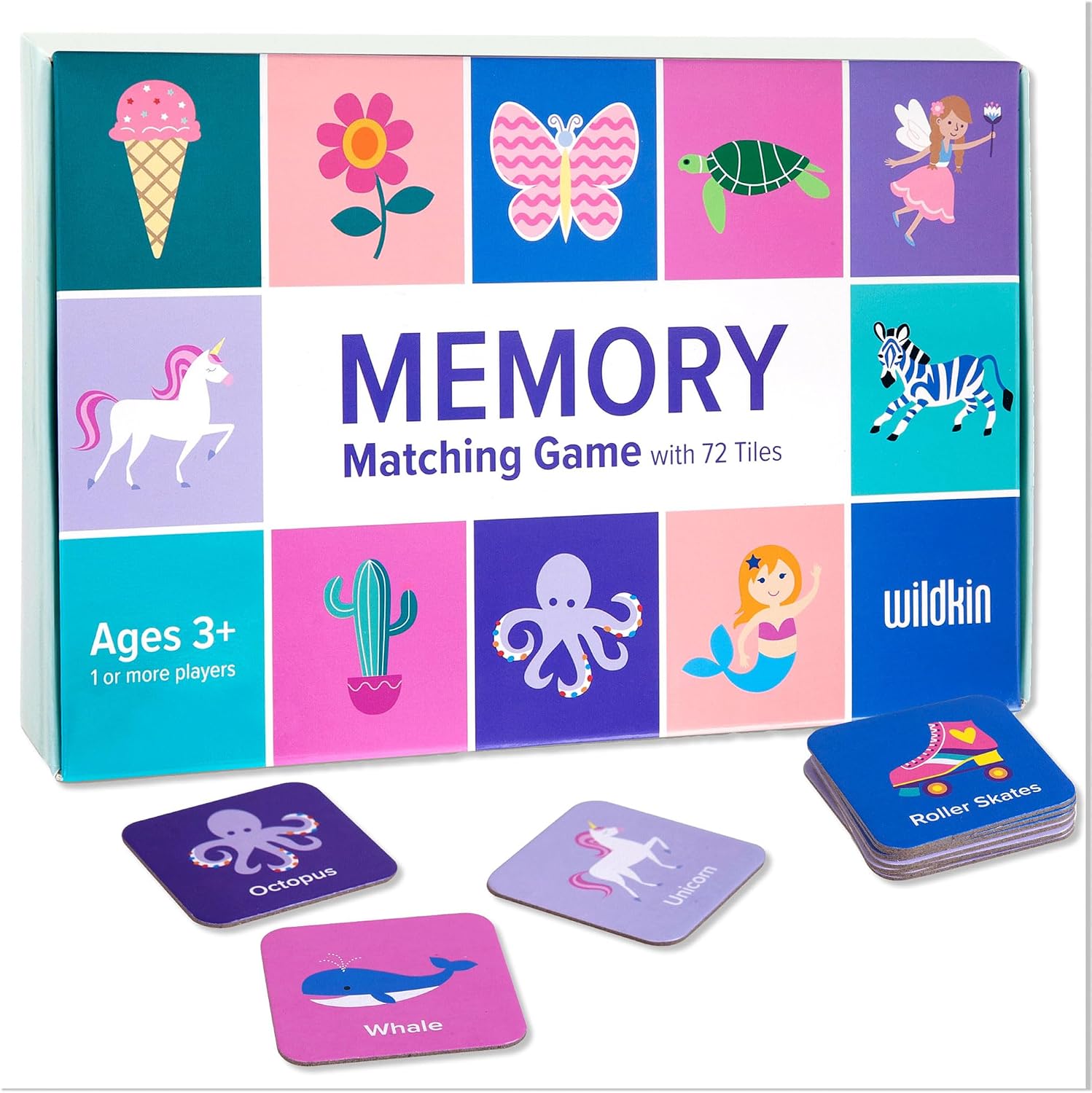
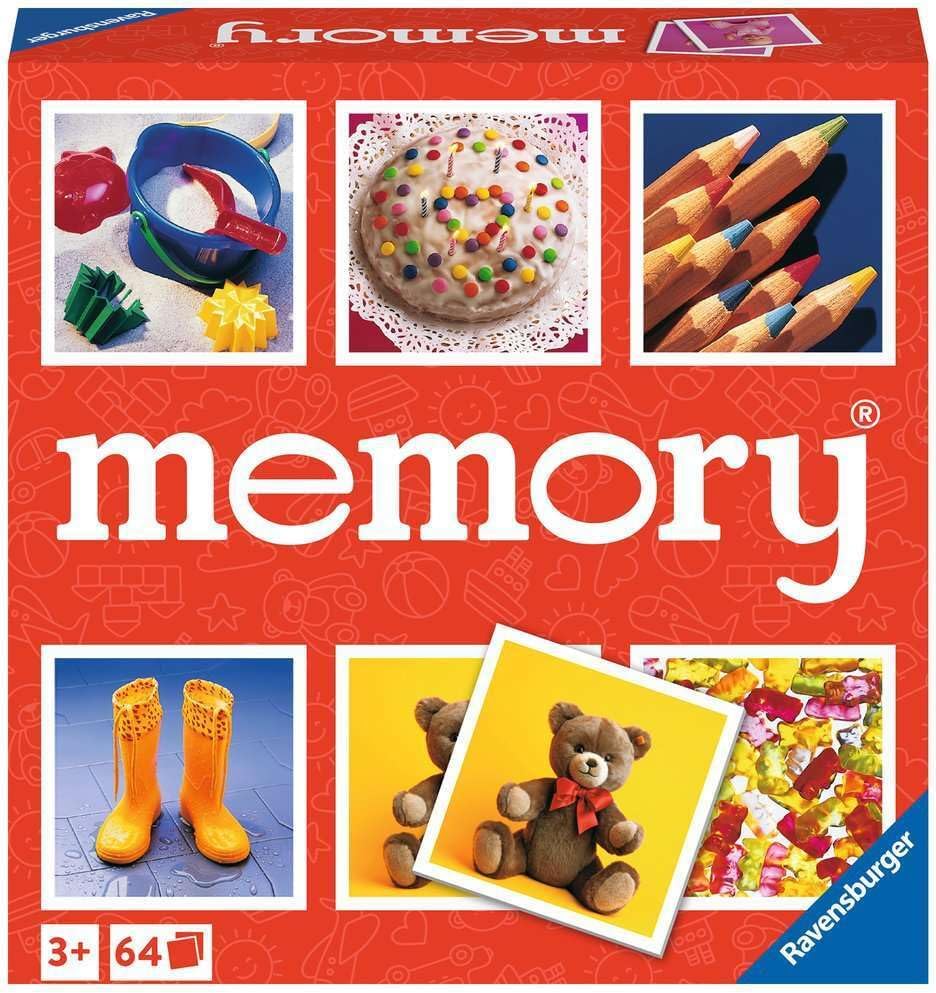
Memory Game Favorites
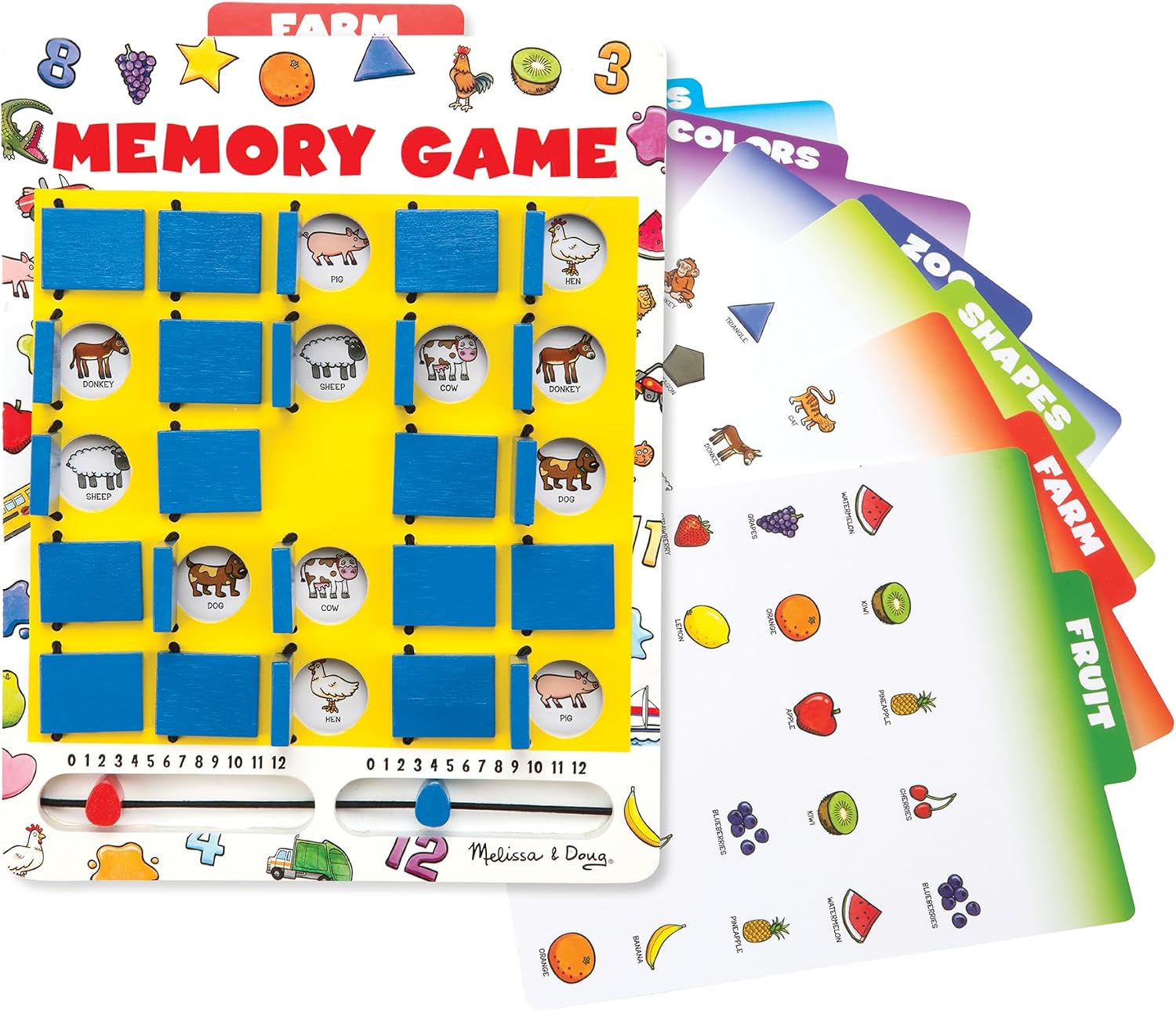
Boosting Creativity and Imagination
Additionally, storytelling sessions can boost creativity and imagination as children invent new characters and plots or imagine different scenarios.
Improving Language Skills
Lastly, for language skills, rhyming games are useful for enhancing listening and speaking skills.
As children listen for words that rhyme and try to come up with their own, they improve their phonological awareness, which is essential for reading.
Listening and repeating exercises can also be beneficial. These activities can help improve understanding and articulation as children practice listening to sentences or phrases and repeating them accurately.
Child development skills are critical for a child’s overall growth and future success. Therefore, parents, educators, and caregivers must understand these skills and incorporate the suggested activities into their routines.
Shop My Learning Printables:
The following homeschool picks of mine can be found in my shop. Simply click the image that interests you!

By doing so, they can significantly contribute to the holistic development of the children in their care.