W Letter Story Printable Packet


Introducing the free W Letter Story printable packet! This engaging resource is perfect for children ages 4-6. It supports Alphabet Stories for Kindergarten, providing a fun and educational way to enhance alphabet learning for kids.
In this packet, you’ll find interactive stories centered around the letter W. These stories are designed to captivate young minds while reinforcing letter recognition and phonics. The W Letter Story includes colorful illustrations and simple sentences, making it a valuable tool for early childhood education.
Ideal for both classroom and home settings, this packet offers an easy way for parents and teachers to support alphabet learning for kids. Whether you’re looking to supplement your curriculum or provide additional practice at home, the W Letter Story printable packet is a fantastic resource to have on hand.

The Importance of Teaching the Alphabet Through Enchanting Stories and Interactive Activities
Teaching the alphabet through enchanting stories and interactive activities is crucial in early childhood education. These methods make learning more engaging and memorable for young children.
One of the primary educational benefits of this approach is enhanced letter recognition. Children who encounter letters within whimsical and relatable contexts are more likely to remember them. Additionally, interactive activities promote fine motor skills and cognitive development, laying a robust foundation for future literacy skills.
The W Letter Story printable packet exemplifies this approach. It includes colorful illustrations and captivating narratives that bring the letter W to life. Children can follow the story while engaging in related activities, reinforcing their understanding of the letter’s shape and sound.
These activities often include puzzles, tracing exercises, and coloring pages, making learning feel like play. These fun learning activities hold children’s attention and encourage them to actively explore and interact with the material.
Educators can ensure that alphabet learning is effective and enjoyable by integrating enchanting stories and interactive elements. This method nurtures a positive attitude toward education, setting the stage for lifelong learning.
Shop My Homeschool Room:
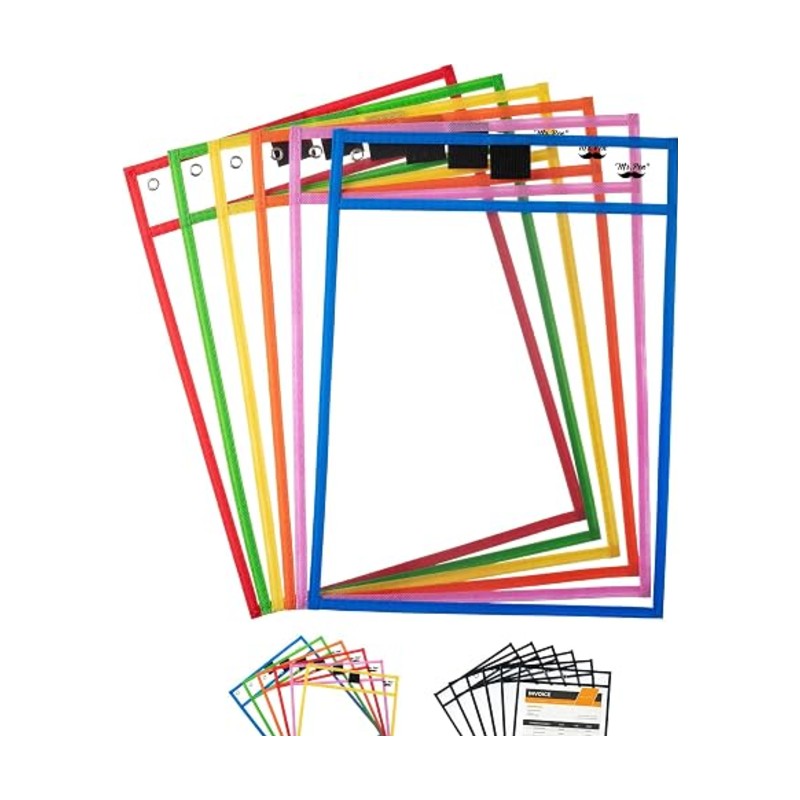
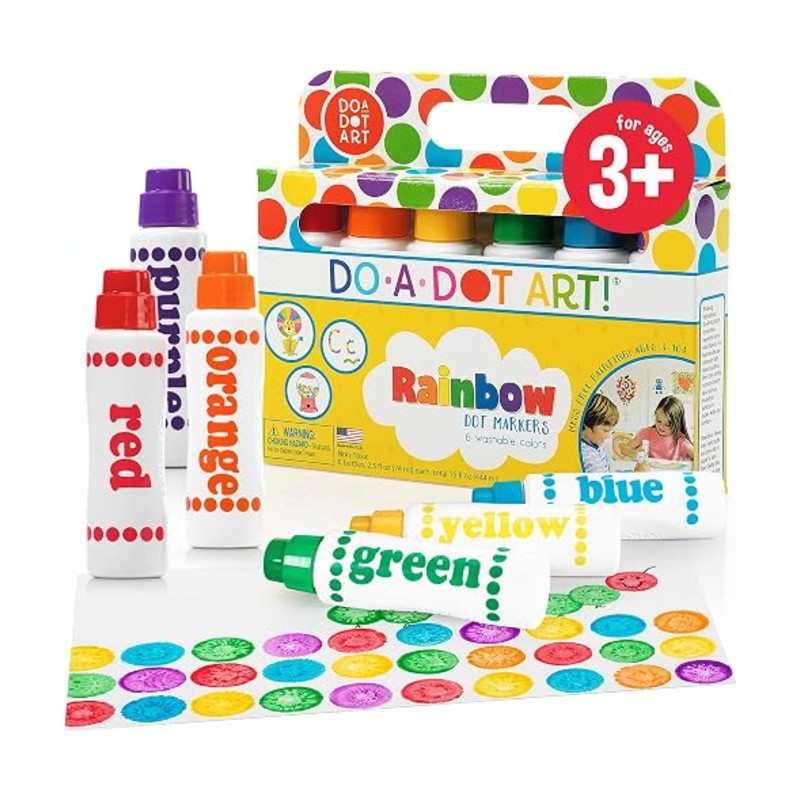
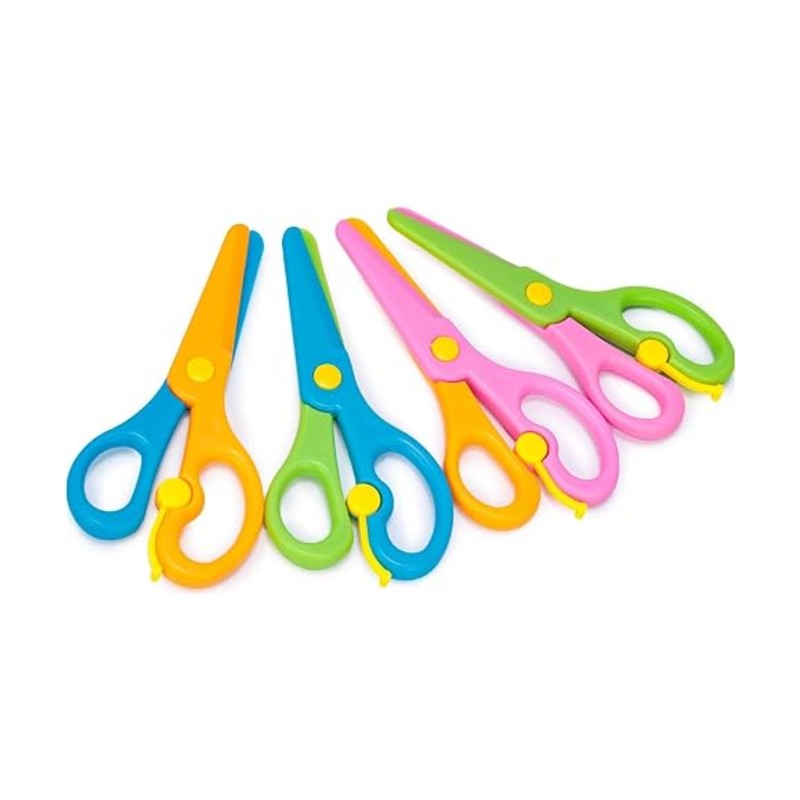
Here are a few homeschool room picks you can find on Amazon. Click any image to see it. Yes, these are affiliate links.


Want more learning without printing more pages?
If your little one is between 2 and 8, ABCmouse is a full online curriculum of learning games, books and puzzles, so the practice keeps going on the days you are out of ink. Take a look at ABCmouse
Prefer something that shows up in the mailbox? Highlights High Five is made for ages 3 to 5, and the classic Highlights magazine picks up from 6 to 12. See High Five | See Highlights
How Storytelling Aids in Language Development and Fosters Creativity
Storytelling benefits language development by exposing children to new vocabulary, sentence structures, and expressive language use. Children learn how words can convey meaning, emotions, and actions by listening to and participating in stories. This process enhances their comprehension skills and broadens their linguistic repertoire.
Plus, storytelling fosters creativity by encouraging children to imagine different scenarios and characters. As they engage with stories, they develop the ability to think creatively, visualize concepts, and create narratives. This imaginative play is crucial in early childhood education, stimulating cognitive and emotional growth.
The Impact of Interactive Activities on Enhancing Cognitive Skills and Keeping Children Engaged
Interactive learning activities play a significant role in enhancing cognitive skills and maintaining engagement among young learners. These activities require children to participate actively, which helps develop their problem-solving abilities, critical thinking, and fine motor skills. For instance, tasks like tracing letters, solving puzzles, and matching games improve hand-eye coordination and logical reasoning.
Interactive activities also make learning more enjoyable and dynamic. Children are more likely to retain what they’ve learned when actively involved rather than passively receiving information. This hands-on approach keeps them engaged and motivated, turning abstract concepts into tangible experiences.
Incorporating interactive learning activities alongside storytelling creates a holistic educational environment. It combines the narrative’s immersive power with the tactile stimulation of activities, catering to diverse learning styles. This integrated method ensures that children understand and enjoy the learning process.
Storytelling aids in language development and fosters creativity, while interactive activities enhance cognitive skills and engagement. Together, these elements form a robust foundation for effective early childhood education.
Learning Printables and Activities
These are excellent resources for kids! They’ll love being a part of the learning process from start to finish.

What’s Inside the Free W Letter Story Printable Packet?
This five-page printable packet has fun and educational activities for young learners. Here’s a breakdown of what you’ll find inside:
- The Printable Story: “Wendy’s Windy Wonderland”
- Coloring Page
- Letter Writing Page
- Story Enhancement Worksheet
- Simple Question Worksheet
Tips for Incorporating the W Letter Story and Activities into Lesson Plans
Incorporating the W Letter Story and related activities into lesson plans can greatly enhance literacy and cognitive skill development. Here are some practical tips:
Start with Storytelling
Begin your session by reading the W Letter Story aloud. Engage the children by using expressive voices and gestures. This makes the story more entertaining and helps with language development.
Would you like to save this?
Homeschooling Tip: Create a cozy reading corner with cushions and props related to the letter W. This makes the storytelling session feel special and inviting.
Handy for These Worksheets
Interactive Reading
Pause during the story to ask questions about the plot or characters. Encourage children to predict what might happen next or explain why a character acted a certain way. This develops critical thinking and comprehension skills.
Preschool Teaching Strategy: Use visual aids like flashcards showing objects that start with the letter W. Show them as you read to reinforce word recognition visually.



Hands-On Activities
After the story, engage the children in interactive learning activities. These could include tracing the letter W, coloring worksheets, or matching games where they pair images with words starting with W.
Homeschooling Tip: Incorporate everyday items starting with W (e.g., water, wagon) into a scavenger hunt. This connects learning to the real world, making it more meaningful.
Creative Projects
Encourage creativity by having children draw their own pictures or create their own stories featuring the letter W. You can also have them act out parts of the story or come up with alternative endings.
Preschool Teaching Strategy: Use arts and crafts to make W-related items, like a paper plate whale or a woolly mammoth model. This integrates fine motor skill development with literacy.
Reinforcement and Review
Regularly revisit the letter W through games, songs, and repetition. This reinforces what they’ve learned and helps with retention.
Homeschooling Tip: Use daily routines to point out the letter W in books, on signs, and in conversation. This constant reinforcement is key for young learners.
Integrate Technology
Utilize apps and online resources that offer interactive stories and games focused on the letter W. Many educational platforms provide engaging ways to reinforce alphabet learning.
Preschool Teaching Strategy: Incorporate digital storybooks or educational videos that explore the letter W. These can supplement traditional teaching methods.
Teachers and homeschooling parents can effectively integrate the W Letter Story and activities into their lesson plans by following these tips. This comprehensive approach enhances literacy and supports overall cognitive skill development, making learning fun and effective.
FAQs About the Free W Letter Story Printable Packet

The free W Letter Story printable packet offers numerous benefits for early childhood education. It combines engaging stories with interactive activities, enhancing letter recognition, language development, and cognitive skills. This comprehensive approach makes learning enjoyable and effective for children ages 4-6.
Encourage your fellow parents and educators to take advantage of this valuable resource. By sharing educational resources like this printable packet for kids, you can help foster a love of learning in young children and support their educational journey.
Alphabet Stories for Kindergarten
Grab all the printable alphabet stories for kindergarten learners! Each alphabet letter has six pages to ensure the kids learn and understand the letter. It’s the perfect learning resource for teaching the entire alphabet!

Explore the free learning materials available and spread the word to impact early literacy development positively.
Get Your Alphabet Printable By Signing In or Signing Up!