
Promoting Pretend Play in the Digital Age


There’s no denying that pretend play in the digital age looks slightly different from what it used to. Imagination is still front and center, whether your little one is having a tea party with plushies or pretending to run a digital bakery on a tablet.
But how do you balance the classic charm of traditional pretend play with the irresistible draw of modern tech?
That’s where this complete pretend play guide comes in! We’ll help you explore fun ways to mix screen-free activities with age-appropriate digital play so your child gets the best of both worlds.
Pretend play isn’t just about having fun; it’s also a powerful tool for learning, problem-solving, and building social skills.

Stick around as we discuss tips, ideas, and strategies for encouraging creativity and making playtime as enriching (and entertaining) as possible!
Impact of Technology on Play
Technology has completely changed the way kids play. Gone are the days when playtime was about dolls, blocks, and adventures in the backyard.
Now, screens and digital devices are often at the center of their entertainment. While this shift offers exciting opportunities, it also raises some challenges.
Let’s look at how play is evolving—for better and worse.
This post contains affiliate links, which means I earn a commission when anything is bought. This is at no additional cost to you.
Shop My Homeschool Room:
Here are a few homeschool room picks you can find on Amazon. Click any image to see it. Yes, these are affiliate links.



Want more learning without printing more pages?
If your little one is between 2 and 8, ABCmouse is a full online curriculum of learning games, books and puzzles, so the practice keeps going on the days you are out of ink. Take a look at ABCmouse
Prefer something that shows up in the mailbox? Highlights High Five is made for ages 3 to 5, and the classic Highlights magazine picks up from 6 to 12. See High Five | See Highlights
How Digital Devices Shape Play
The introduction of touchscreens and apps has reshaped imaginative play in fascinating ways. Some benefits include:
- Creative exploration without limits: Tablets with drawing or building apps allow kids to create art, design structures, and explore virtual worlds without needing extra supplies. It’s creativity on demand, minus the mess.
- Interactive experiences: Video games immerse children in vibrant stories and challenges, encouraging problem-solving and teamwork. However, this sometimes replaces classic pretend play, like building forts or role-playing with friends.
Challenges Introduced by Technology
Tech-centric play isn’t without its downsides. Kids can face a few hurdles when devices dominate their playtime:
- Shortened attention spans: The fast pace of apps and games can make it harder for kids to focus on slower, more thoughtful activities.
- Less social interaction: While digital play can be absorbing, it often happens solo, reducing valuable face-to-face playtime with peers.
Positive Influence of Digital Innovation
When used wisely, technology can ignite creativity and enrich play. For instance:
- Storytelling apps: These spark imagination by encouraging kids to dream up and narrate their own tales.
- Virtual reality adventures: VR experiences transport kids to new worlds, stretching their creativity and curiosity far beyond their bedrooms.
Striking a balance between traditional and digital play fosters creativity, connection, and fun, making the best of both worlds!
Balancing Screen Time
Finding the right balance between screen time and free play can feel tricky, but it’s so worth it. Kids need room for creativity and movement, and time for structured, tech-driven learning or entertainment.
Here are some simple, practical ways to ensure that technology is a healthy part of your family’s playtime routine.
Setting Limits on Technology Use
Not all screen time is created equal, but it’s helpful to set some general boundaries.
- Follow age-appropriate guidelines, like limiting screens to one hour a day for younger kids or encouraging short breaks after every 30 minutes of use.
- Use parental settings to manage screen access and ensure devices are only used during designated times.
Creating Tech-Free Zones
Designating screen-free areas or times can encourage more face-to-face interaction and imaginative play.
- Make mealtimes and bedrooms tech-free zones so family and relaxation time come first.
- Create a cozy corner with books, board games, or art supplies as a go-to spot for hands-on activities.






Modeling Healthy Habits
Kids take cues from parents, so your habits matter!
- Put your phone down during family activities to show that not everything revolves around a screen.
- Talk with your kids about when and why you use technology to help them understand its value and moderation.
Scheduling Unstructured Playtime
Carving out time for free play helps kids prioritize creativity without relying on screens.
- Set aside a specific block of time daily for pretend play or games like dress-up or puppet shows.
- Encourage kids to lead the playtime, letting their imaginations run wild without a rigid plan.
You can give your kids the best of both worlds by creating healthy tech habits and balancing them with unstructured play!
Would you like to save this?

Integrating Technology Positively
When you use tech the right way, it can add a lot to playtime. There are tons of apps and games out there that are perfect for getting kids to think creatively. Think about digital drawing platforms where they can sketch everything from wacky characters to dreamy landscapes, or storytelling apps that nudge them to weave their tales.
These tools are awesome for opening up their imaginations in ways that crayons and blocks sometimes can’t.
And then there’s augmented reality (AR), which is next-level cool. AR apps can mix the real world with digital fun, like turning your backyard into a magical forest or making their toy dinosaurs move and roar. It’s like merging their hands-on play with something from a sci-fi movie.
The best part? They’re still running around and interacting while the tech brings their pretend worlds to life.
Virtual storytelling is another excellent way technology can jumpstart creativity. Digital books with animations, sound effects, or choose-your-own-adventure plots are anything but boring.
And have you checked out role-playing games online? They’re perfect for learning how to solve problems, work through challenges, and create mini-adventures independently.
Of course, tech is just one piece of the puzzle, and this is where you come in. Sitting down with your kids to co-play digital games or explore apps together makes a huge difference. You get to hang out, bond, and subtly guide them toward using tech in meaningful ways. It’s a win-win for fun and learning!
Pretend Play for Kids
Check out these fun pretend play resources for kids!


Encouraging Offline Creativity
Unplugging from screens doesn’t mean unplugging from fun. Offline play is a fantastic way to fire up your child’s creativity and allow them to explore, imagine, and connect. From outdoor adventures to group role-playing, there are endless ways to keep those young minds brimming with ideas.
Unplugged Activities for Kids
There’s no end to the fun of DIY projects or imaginative games that don’t involve screens. You could grab some craft supplies, make sock puppets, and then put on a puppet show with wild voices and silly plots. Or, take a cardboard box and turn it into a rocket ship, race car, or castle.
Outdoor activities don’t need to be fancy either! A nature scavenger hunt or DIY obstacle course can be just the thing to get their creativity flowing.
Handy for Backyard Play



Nature as a Playground
The outdoors is like a blank canvas for a child’s imagination. They can turn a tree into a ship’s mast or pretend they’re explorers on a jungle trek while wading through a creek.
These moments spark their creativity and teach problem-solving as they figure out how to build a stick fort or cross an “alligator-filled” river (aka the lawn). Plus, there’s no Wi-Fi needed for fun in the fresh air!
Designated Imaginative Spaces
Creating an area at home for pretend play can work wonders, too. A corner filled with costumes, props, and random items like old pots and scarves can become a treasure trove for make-believe. One day it’s a pirate ship deck, the next it’s a cozy spot for tea parties with stuffed animals.
These spaces encourage open-ended play, where the kids lead and the possibilities are limitless.
Social Playdates
Invite friends over and watch the creativity multiply! Whether it’s setting up a mini play where each kid takes on a role, building an epic LEGO city, or having a themed dress-up competition, group activities encourage collaboration and spark tons of imaginative play.
It’s also a clever way to help kids grow their teamwork and communication skills while still having a blast.
From big outdoor adventures to tiny indoor puppet shows, there’s no shortage of ideas to keep kids creating and connecting without screens. All it takes are a few props, fresh air, and a sprinkle of imagination!
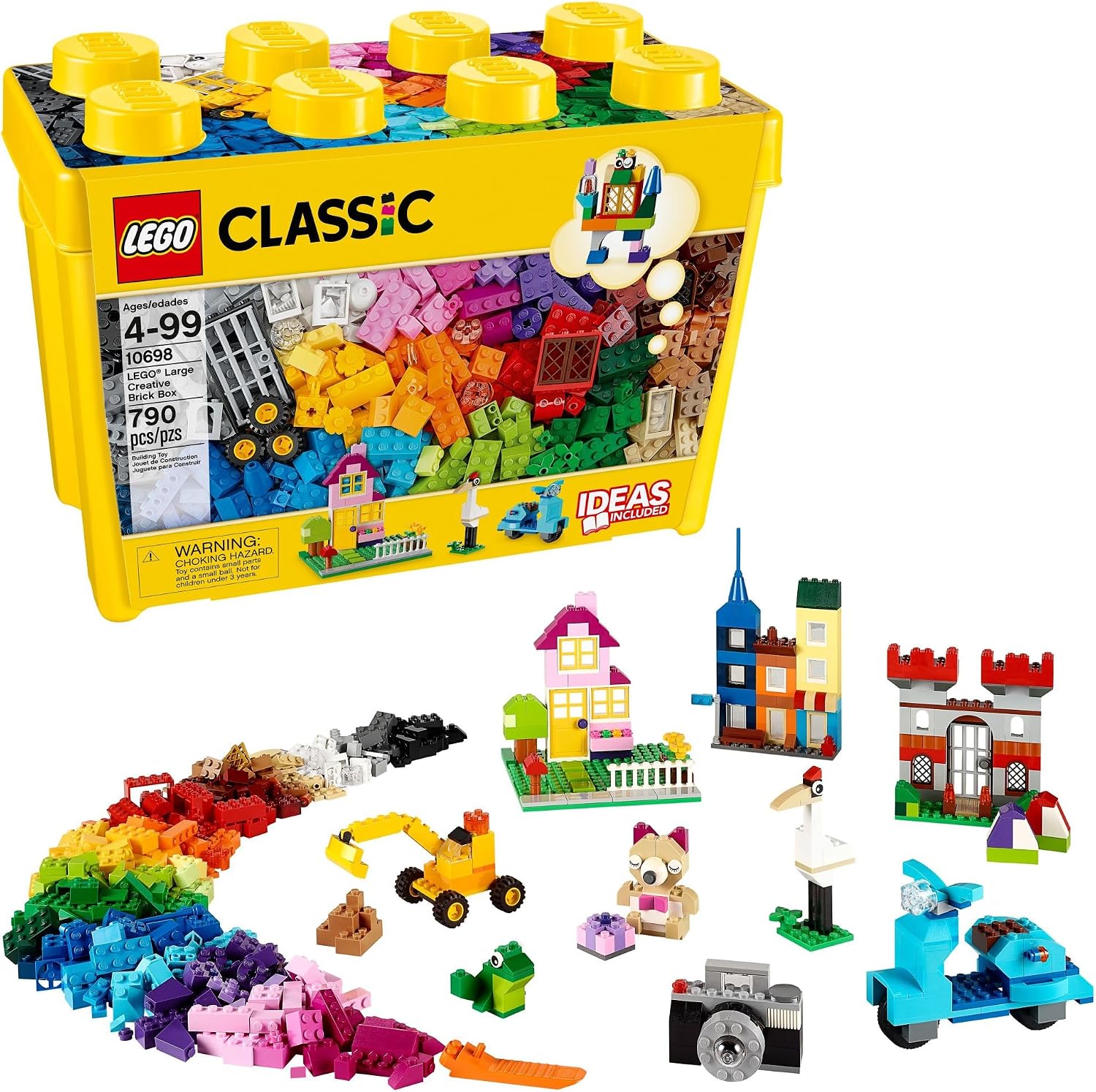
LEGO Building Favorites


FAQ Section (People Also Ask)
Curious about how to balance technology with imaginative play? Here are quick answers to some common questions to help foster creativity in your child’s life.

More Pretend Play Resources:
Pretend play is vital to childhood development, nurturing imagination, problem-solving skills, and social interaction.
Shop My Printables
Use these great resources for more learning fun. Simply click the image to see the learning activity!



By combining offline and digital resources, caregivers can create a balanced environment that encourages creativity and self-expression. Explore these resources to inspire more opportunities for imaginative play.
- Group Pretend Play Activities
- Storybooks That Encourage Pretend Play
- Pretend Play Themes for Children
Balancing technology with traditional pretend play equips children with the tools to thrive creatively and digitally. While tech can foster creativity through guided tools and apps, unplugged activities remain invaluable in building social skills, imagination, and independent thinking.
Parents and educators can cultivate children’s imaginative potential by setting thoughtful boundaries, nurturing creativity offline, and intentionally integrating technology.
Pretend play doesn’t have to be replaced by the digital age; it can evolve alongside it, blending the best of both worlds.