
How to Save Money for the Holidays: Smart, Practical Strategies


The holiday season can bring a lot of joy—but also a lot of spending. Gifts, decorations, meals, special outings—it all adds up quickly. The good news? With a bit of planning and savvy strategies, you can keep the festive spirit alive without blowing your budget.
Here’s a simple guide to saving money for the holidays (especially helpful if you’re a busy mom looking for efficient, 30-minute prep ideas, too).

Get a Clear Picture of Your Holiday Budget
The first step is knowing how much you expect to spend and how much you can realistically afford.
- Make a list of all holiday-related expenses, including gifts, cards, decorations, travel, meals, special outings, wrapping supplies, and even charitable donations.
- Then, make a list of everyone you plan to buy for—family, friends, coworkers, teachers, etc.
- Assign spending limits to each category/person so you’re not guessing at checkout.
- Consider creating a separate holiday savings account (or a dedicated envelope) where you set aside money each month leading up to the holidays.
When you have a defined budget and plan, you’re less likely to overspend or be surprised by hidden costs.
This post contains affiliate links, which means I earn a commission when anything is bought. This is at no additional cost to you.
Shop My Kitchen:
These are the tools I reach for again and again in my own kitchen. I’m a Pampered Chef consultant, so links below may earn me commission at no additional cost to you.




Want to see more? Check out my favorite Pampered Chef products for busy kitchens and see which tools I use and recommend most.
Start Early—and Use the “Slow-Spend” Advantage
Waiting until the last minute often means paying full price (or worse: panic purchases). Instead:
- Begin shopping for gifts and supplies as early as possible. That way, you can take advantage of sales and avoid “last-minute premium” pricing.
- Use seasonal sales, clearance events after Halloween or before Christmas, and post-holiday clearance to stock up for next year (wrapping paper, décor, etc.).
- Spread your spending out: Setting aside a little each month means you won’t face a huge bill all at once.
Slow spending also means you give yourself time to hunt for the best deals (today’s hottest Amazon deals are a good place to start), comparison-shop online and locally, use coupons, and avoid impulse buys.
Be Strategic with Gift Giving
Gifts are often the largest single holiday expense. But there are many ways to make them meaningful, budget-friendly, and less stressful.
Here are some ideas:
Set a “gift grade” scale
- For example: $10 for teachers, $25 for siblings, $50 for parents. Having tiers helps you stay consistent and fair.
- Let everyone know ahead of time that you’re working within these limits—this sets expectations.
Group or communal gifts
- Pool resources with family or friends: buy one nicer gift together rather than many smaller ones.
- Organize a “secret Santa” or “gift swap” among a group so that each person buys only one gift instead of many.
DIY and experience-based gifts
- Homemade cookies, a framed family photo, a personalized coupon book (“Movie night with mom”, “1 free breakfast in bed”), or offering services (“I’ll babysit”, “I’ll mow your lawn”) can be heartfelt and nearly cost-free.
- Experience gifts often yield more memories and less clutter (think: a trip to the zoo, movie tickets, a day outing). You may only need to budget transportation and snacks rather than an expensive item.
Stick to a “30-day sale watch”
Would you like to save this?
- Set alerts for items you know the person wants. Monitor prices for ~30 days before you buy.
- Use price-tracking tools and apps to get notified when something drops.

Smart Shopping for Food, Decor & Hosting
Hosting dinners, baking treats, and decorating are all part of the fun but they don’t have to be expensive.
- Plan your holiday menu. Know what you’ll serve and check your pantry first, so you don’t buy duplicates.
- Shop seasonal produce and sale items. Swap out expensive ingredients for lower-cost ones (e.g., frozen instead of fresh if fine).
- Consider potluck-style gatherings so the cost is shared among guests.
- Use decor that can be reused year after year: invest in a few quality items rather than new décor each season.
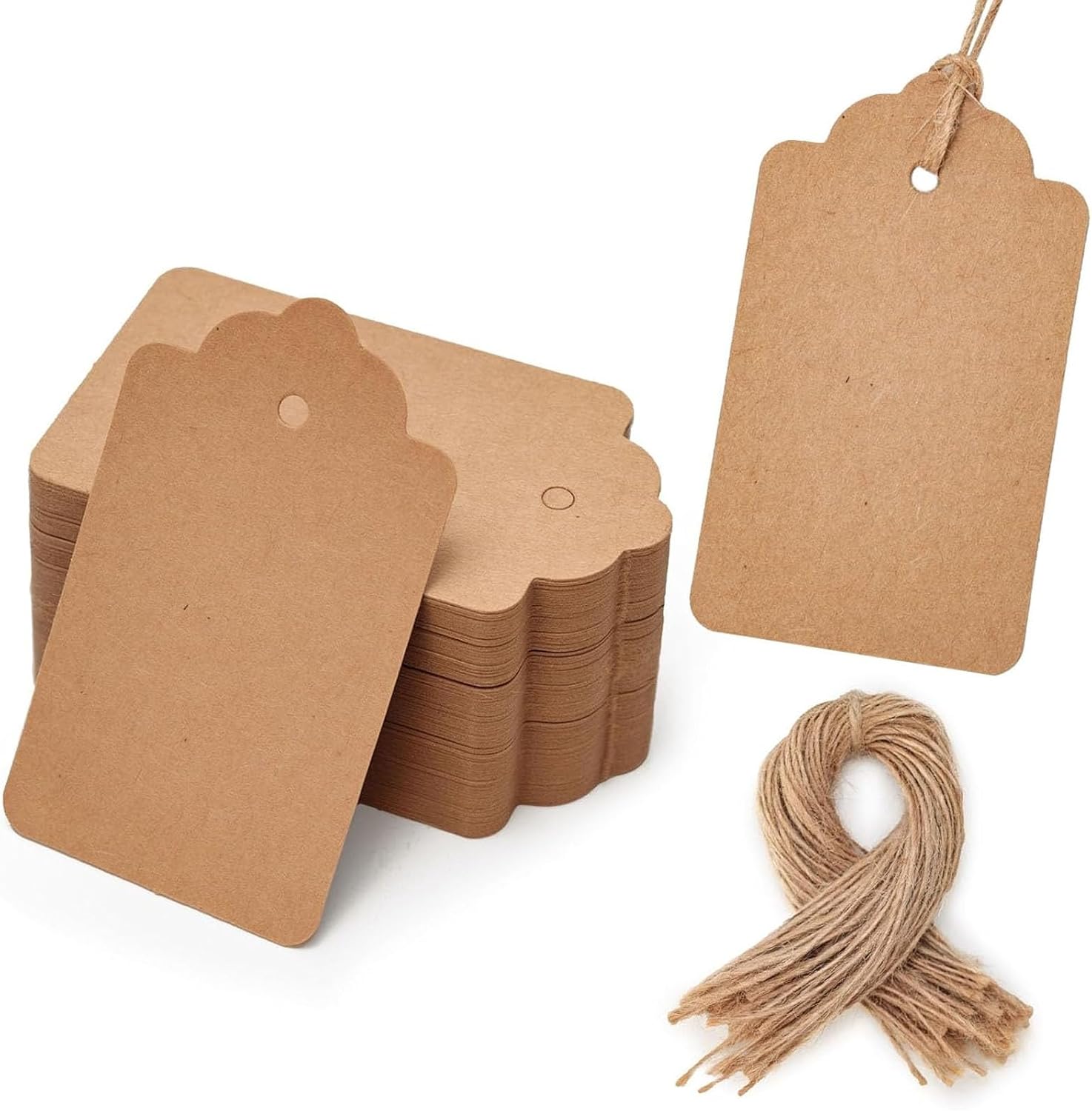
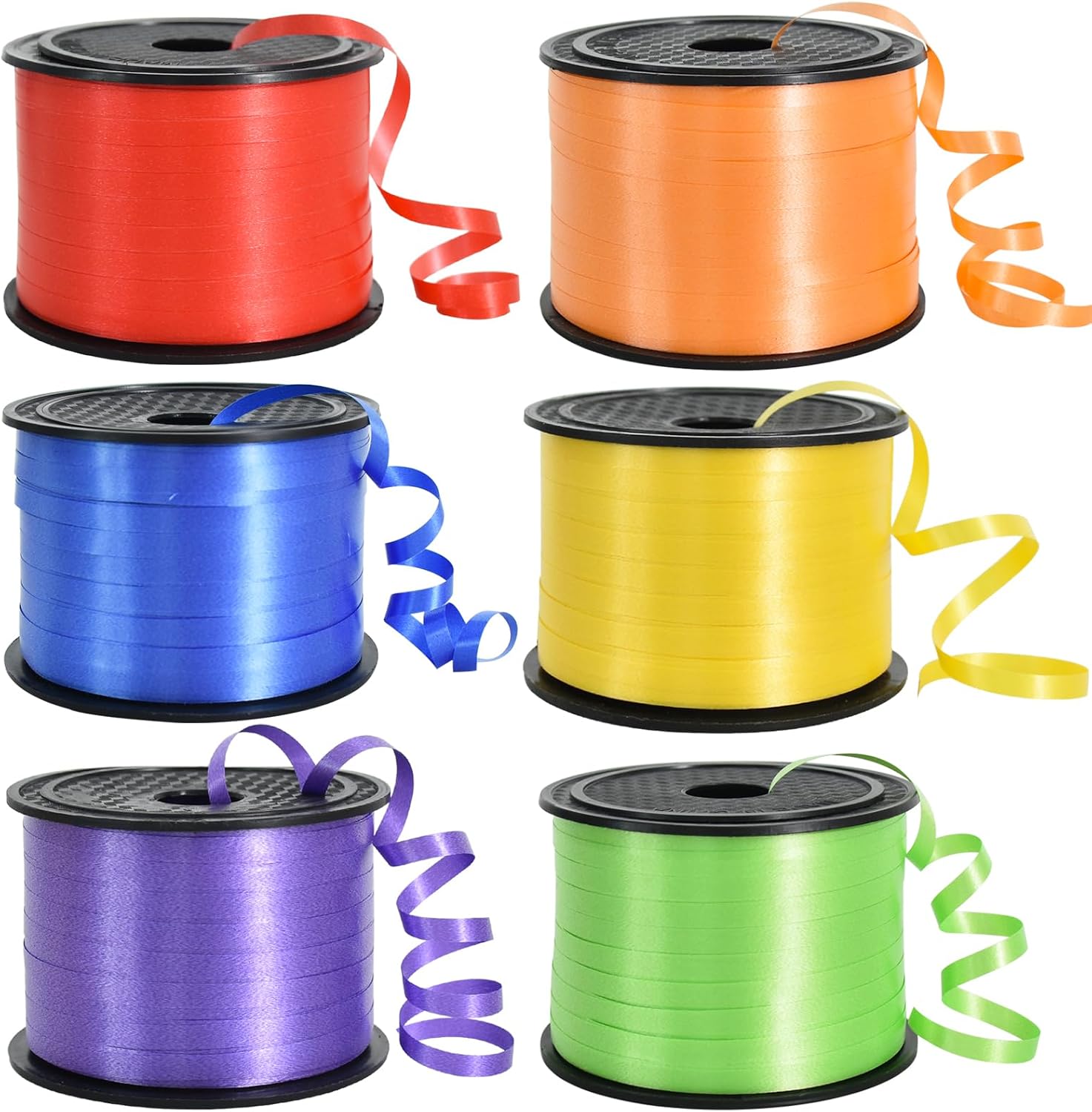
- Wrap gifts with recycled materials, plain kraft paper, or ribbon from previous years.
Gift Wrap Station

Reduce Impulse & “Extras” Spending
It’s often the small extras that wreck a budget: the impulse buy at checkout, the “just because” treat, the upgraded shipping.
- Before you agree to any “extra” spend (gift bag, gourmet treat, express shipping), ask: Will this add genuine value or meaningful joy?
- Use smaller cash envelopes or pre-loaded cards for “fun extras,” so you see how much you’re spending.
- Avoid “free shipping minimums” traps. If you don’t need the item, paying for shipping might still be cheaper than overspending to qualify.
- Cancel or pause recurring services you don’t need during the holiday month, freeing up extra money.
Use Financial Tools & Money-Saving Techniques
Modern technology and smart financial planning can help:
- Use budgeting apps or spreadsheets to track holiday-related spending in real time.
- Take advantage of coupons, cash-back apps, loyalty program points, and store rewards.
- Look for “price match” policies at local retailers.
- Consider using a credit card with cashback rewards—just make sure you pay it off quickly and don’t carry debt.
- If you receive bonuses, tax refunds, or other “extra” money during the year, earmark it for holiday savings rather than surprise spending.
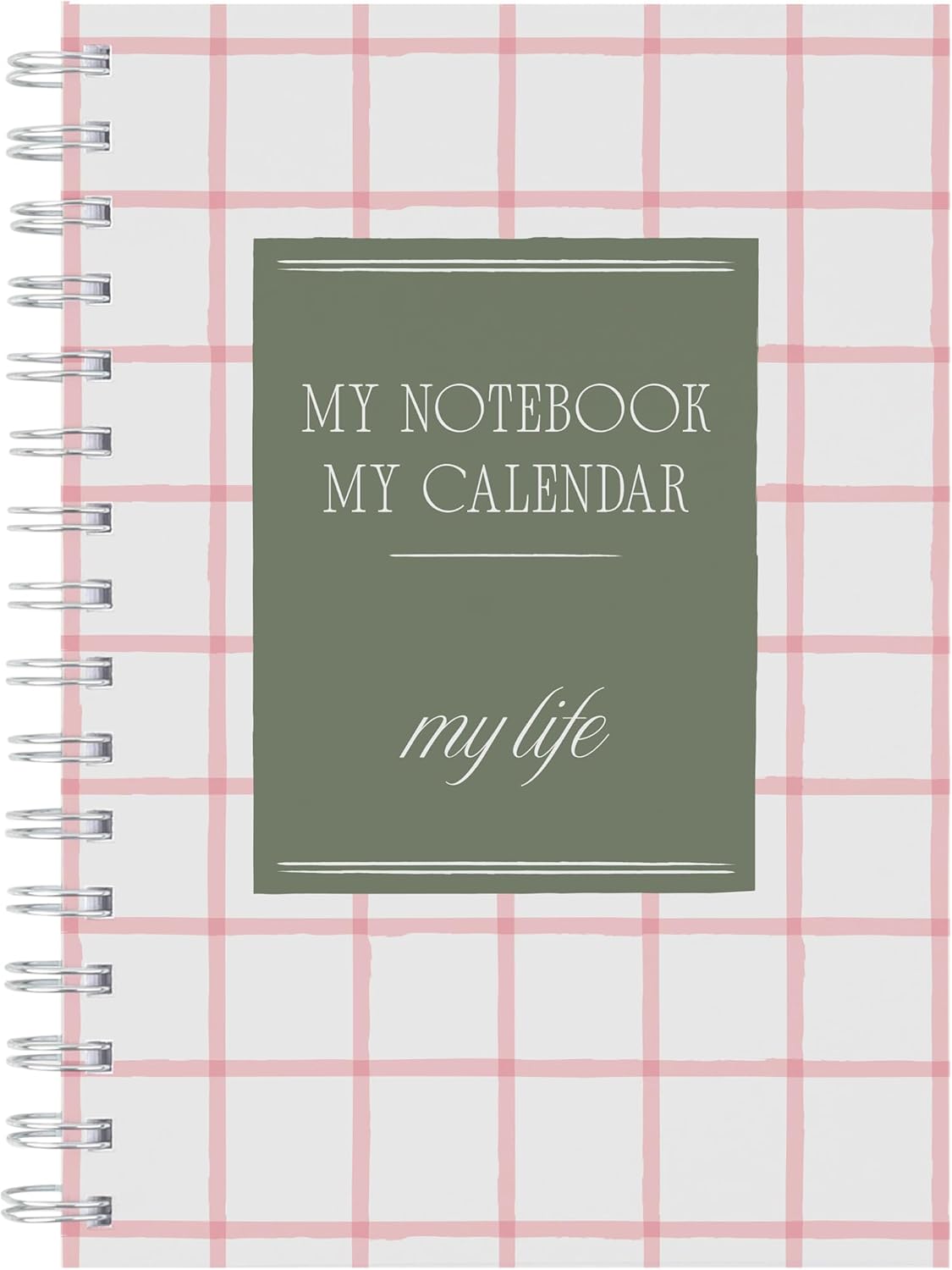
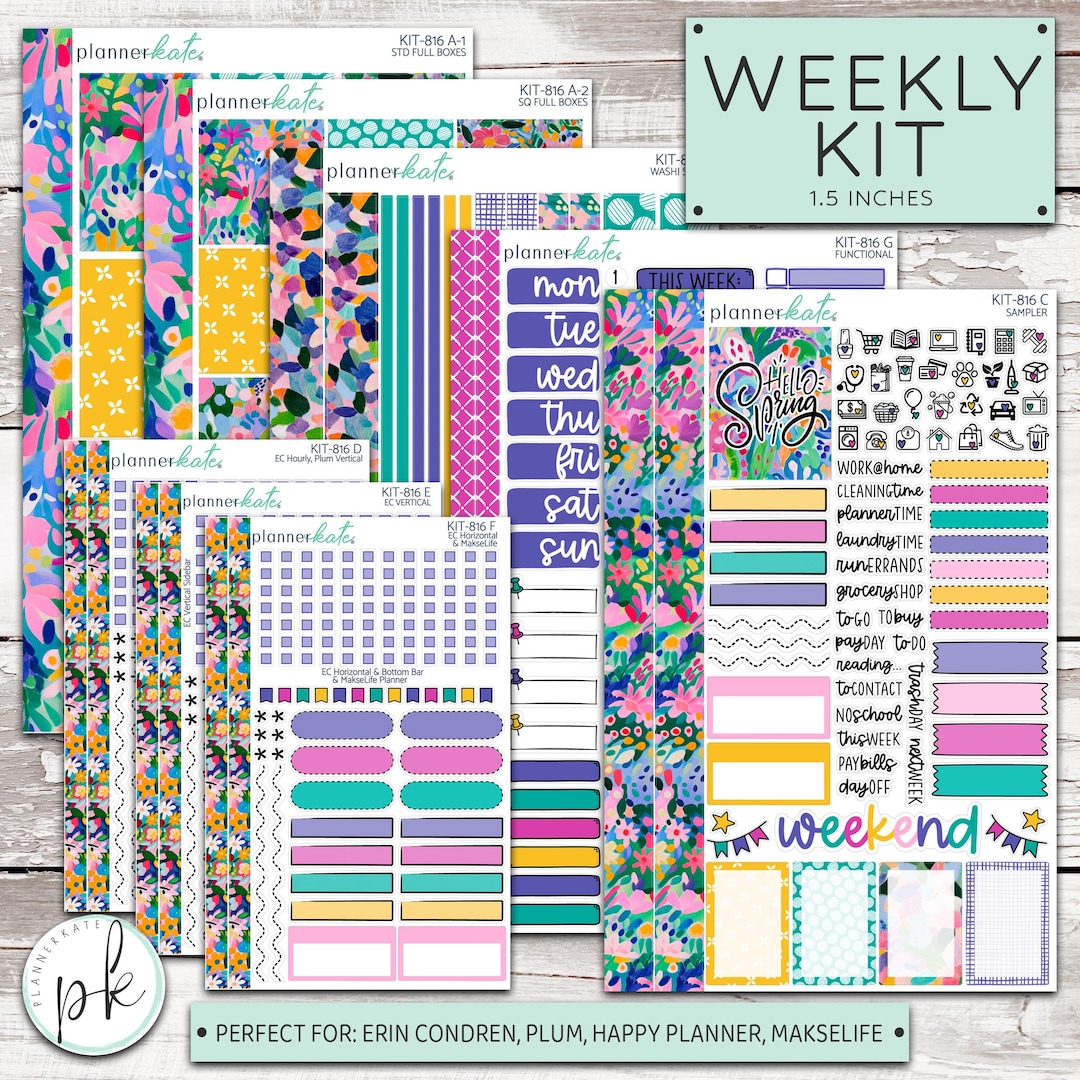
Planners We Love
Set the Right Mindset: Prioritize What Truly Matters
Saving money isn’t just about cutting back—it’s about choosing what matters to you.
- Decide what your personal “holiday joy” consists of: Is it time with family? A special outing? A beautifully set table? Gifts for kids? Once you define that, you can allocate more of your budget there and cut back elsewhere.
- Remind yourself of the why behind your savings: less stress, more meaning, and avoiding financial strain after the holidays.
- Encourage your family (especially kids) to think beyond “stuff.” Maybe include a “gift of time” tradition: choose one thing to do together in December instead of buying.
After the Holidays: Review, Reset, and Plan for Next Year
Once the season is over, take some time to review:
- How did you do compared to the budget? What surprised you?
- Which gifts/deco/items were loved and used, and which were not? That can guide better spending next year.
- Start a “holiday fund” or savings jar for next year—automatic deposits or small monthly amounts add up and make next December much easier.
- Take advantage of post-holiday sales to stock up on décor, wrapping supplies, or even next year’s gifts at a deep discount.
Quick Recap of Smart Money-Saving Tips
- Set a holiday budget and list all expenses + recipients.
- Shop early, spread out spending, and watch for deals.
- Use tiered gift spending, DIY options, and experience gifts.
- Plan your holiday menu and décor ahead; host smartly.
- Cut impulse and extra spending by asking “Is this really necessary?”
- Use budgeting tools, rewards, and price-matching.
- Define what truly matters for your family and align spending accordingly.
- After the season: review your results, set aside savings, and prepare for next year.

The holidays are meant to be joyful and meaningful—not stressful and expensive. By being intentional, planning, and using innovative money-saving strategies, you can enjoy the season’s magic and be financially healthy come January. You’ll create memories, not just bills.



I save a set amount from each paycheck (twice a month) and keep it in a separate savings account to use for Christmas. I have been doing this for years.
These are great ideas! I definitely need to start saving as we have a December birthday as well! Thanks for linking up to the Thoughtful Spot Weekly Blog Hop! We hope you stop by again next week!
We budget all year for Christmas. Every paycheck, we put Christmas cash into an envelope and don’t touch it until it’s time to shop 🙂
THat is a smart idea!