How to Encourage Pretend Play


It’s amazing how kids light up when they play out adventures or pretend to be someone new—that’s why learning how to encourage pretend play is such a valuable tool for parents and educators.
We’ve put together a complete pretend play guide to help you inspire kids to tap into their imaginations and unlock all the benefits this type of play offers.
Pretend play isn’t just fun; it’s a powerful way for children to explore ideas, build problem-solving skills, and connect with others.
Whether they’re hosting an impromptu tea party or saving the world as superheroes, this imaginative play can nurture their creativity and confidence.

With the right strategies, like creating playful spaces or joining in their adventures without directing them, you can help kids play to their full potential.
Stick around to discover tips that are easy, practical, and effective!
Creating a Stimulating Environment
Setting up the right environment can make all the difference in encouraging pretend play.
When kids have spaces that spark their curiosity and creativity, their imaginations naturally come alive.
Here are some easy and fun ways to create a play-friendly setup that keeps kids excited and engaged.
This post contains affiliate links, which means I earn a commission when anything is bought. This is at no additional cost to you.
Shop My Homeschool Room:
Here are a few homeschool room picks you can find on Amazon. Click any image to see it. Yes, these are affiliate links.


Want more learning without printing more pages?
If your little one is between 2 and 8, ABCmouse is a full online curriculum of learning games, books and puzzles, so the practice keeps going on the days you are out of ink. Take a look at ABCmouse
Prefer something that shows up in the mailbox? Highlights High Five is made for ages 3 to 5, and the classic Highlights magazine picks up from 6 to 12. See High Five | See Highlights
Designing Dedicated Play Spaces
A dedicated play space gives children a safe and inspiring area to explore their ideas and develop creativity. By organizing the space with accessible and open-ended materials, kids gain the freedom to bring their imaginative worlds to life.
- Use small nooks or corners for cozy, imaginative play zones.
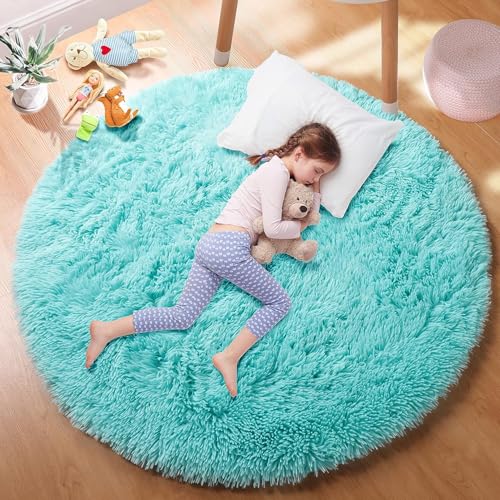
- Lay down rugs or mats to create defined areas, like a “kitchen” or “store.”
- Add themed setups like a mini doctor’s office or a tiny campground to inspire new ideas.


The Power of Decor
Using thoughtful decor can transform a play area into an inviting and stimulating environment. Bright colors, themed wall art, and well-placed lighting help spark imagination and keep the space engaging.
- Hang fairy lights or string lights to make the space feel magical.
- Use bold, inviting colors to grab kids’ attention.
- Toss in themed touches like a cardboard castle, a pirate ship, or an enchanted forest.
Quiet and Safe Areas
Creating quiet and safe areas is essential for children to unwind and feel secure. These spaces can be equipped with soft cushions, calming colors, and gentle lighting to provide a soothing retreat for relaxation.
- Set up play zones away from noisy areas of your home for better focus.
- Make sure the space feels secure so kids can fully immerse themselves in their imaginary worlds.
Rotating Props and Scenarios
Rotating toys, props, and scenarios helps keep playtime exciting and imaginative. By regularly changing the themes and materials, children remain engaged and inspired to explore new creative ideas.
- Keep things exciting by swapping out toys or decorations to match the season.
- Create themed days, such as a “beach day” with towels and toy sunscreen or a “winter wonderland” with cotton snow and scarves.
By setting up a stimulating environment, you’re giving kids all the tools they need to dream up adventures and enjoy hours of creative play!
Providing Open-Ended Materials
The magic of open-ended toys is their ability to transform into anything your child can imagine. Unlike single-purpose toys, these materials allow kids to get creative and explore endless possibilities.
Here’s how to introduce open-ended materials to inspire pretend play at home.
What Are Open-Ended Toys?
Open-ended toys can be used in multiple ways, encouraging creativity and problem-solving skills. Examples include blocks, fabric, and loose parts that children can repurpose to fit their imaginative play.
- Think blocks, fabric swatches, cardboard boxes, and beads.
- Simple things like scarves, paper tubes, and craft sticks can become anything your child dreams up.
- Add a few basic costumes (even old Halloween ones!), and watch the creativity flow!
Benefits of Non-Specific Props
Non-specific props allow children to explore their imagination without constraints, fostering limitless creative expression. These versatile tools also help develop crucial problem-solving and critical thinking skills through open-ended play.
- Encourages kids to view objects in unique ways, like turning a box into a rocket.
- Sparks problem-solving skills as they figure out how to use items differently.
- Promotes longer play sessions since the possibilities feel endless.



DIY Play Props
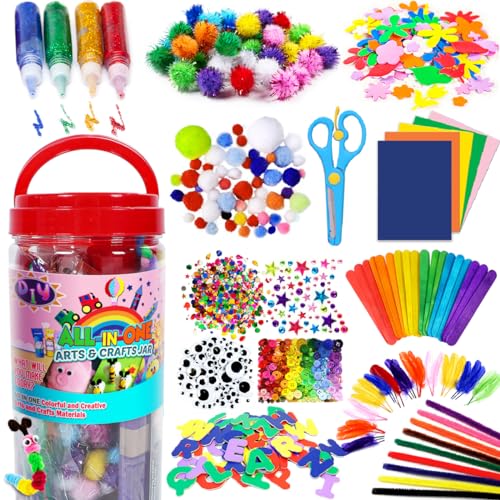
DIY play props are affordable and customizable, perfect for open-ended play. They empower kids to create unique play scenarios while using materials readily available at home.
- Make paper crowns or hats to encourage pretend kingdoms and adventures.
- Sock puppets are quick to create and perfect for storytelling.
- Gather empty jars or boxes for “play food” in their pretend café or store.
Multifunctional Play Items
Multifunctional play items are versatile tools used in various imaginative scenarios. Items like scarves, wooden blocks, or cardboard pieces inspire creativity while adapting to endless play themes.
- Use cushions to build forts, boats, or even mountains.
- Old clothes or accessories can become pirate gear, royal outfits, or superhero costumes.
- Every day kitchen items like bowls or wooden spoons can spark imaginative role-play.
With just a few simple materials, you can transform playtime into something imaginative and fresh daily!
Would you like to save this?
Pretend Play Activities
Print and let the kids explore with imaginative learning fun!


Participating in Play
Joining in on pretend play can feel tricky for adults, especially when you’re unsure how to get involved without taking over.
One great approach is to act as a role model by demonstrating simple pretend scenarios to get the creativity flowing. For example, you might pretend to serve tea at a make-believe café or become a customer at their pretend store. Keep your actions basic and open-ended so kids feel inspired but not restricted.
Offering subtle guidance helps them understand how pretend play works while still allowing their own ideas to shine.
Once the play gets rolling, step into the role of a supportive collaborator. Follow their lead rather than steering the story yourself. This gives kids the confidence to take control and explore their ideas.
Asking open-ended questions like, “What happens next?” or “Can I be a part of your story too?” can gently expand the narrative without taking away their autonomy. Most importantly, avoid overstepping by resisting the urge to correct or overly structure the play.
Remember, you’re there to encourage their imagination, not dominate the experience! A little patience and willingness to go with the flow make all the difference.
Encouraging Storytelling
Helping kids craft and share their stories is a fantastic way to nurture creativity and language development.
Below are some fun, actionable ways to inspire their storytelling, complete with suggested resources to make it easy and exciting!
Read Together
Books spark imagination and set the stage for rich storytelling. Curl up with exciting tales of adventure, humor, and wonder to fuel their creativity.
- “The Gruffalo” by Julia Donaldson
- “Where the Wild Things Are” by Maurice Sendak
- Collections of folk tales, like “Grimm’s Fairy Tales“
Transform Stories Into Play
Bring their favorite stories to life with costumes, props, and imaginative play. Acting out tales helps kids explore narratives while having fun.
- Puppet theater sets
- Storybook character figurines
- DIY costume kits, like crowns and animal masks
Prompting Conversations
Simple questions can spark big ideas! Encourage kids to add twists to existing stories or create their characters. Write these ideas down for future adventures.
- Creative story journals
- Magnetic storyboards for character and setting planning
- A set of question cards for prompts, such as “What happens next?”
Story Games
Turn storytelling into a group activity with fun and engaging games. These interactive options help kids build tales collaboratively.
- Storytelling dice for rolling new ideas
- Story card games like “Rory’s Story Cubes”
- Build-a-tale games that evolve one sentence at a time


Create DIY Story Props
Crafting their props lets kids take full ownership of their stories. From castles to animal sidekicks, the possibilities are endless.
- Craft kits with storytelling prompts and supplies
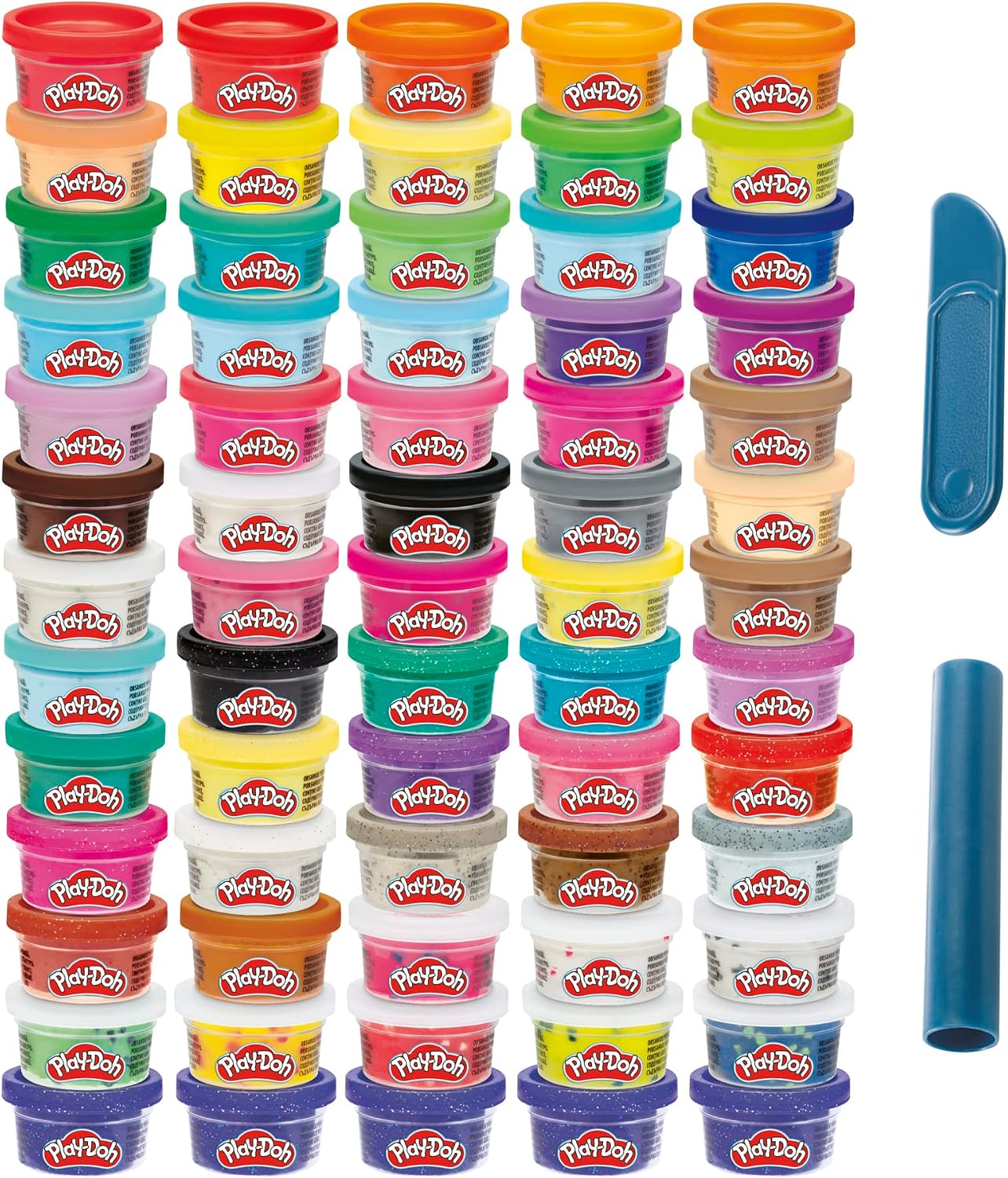
- Playdough sets for shaping characters
- Cardboard and washable markers for drawing unique settings
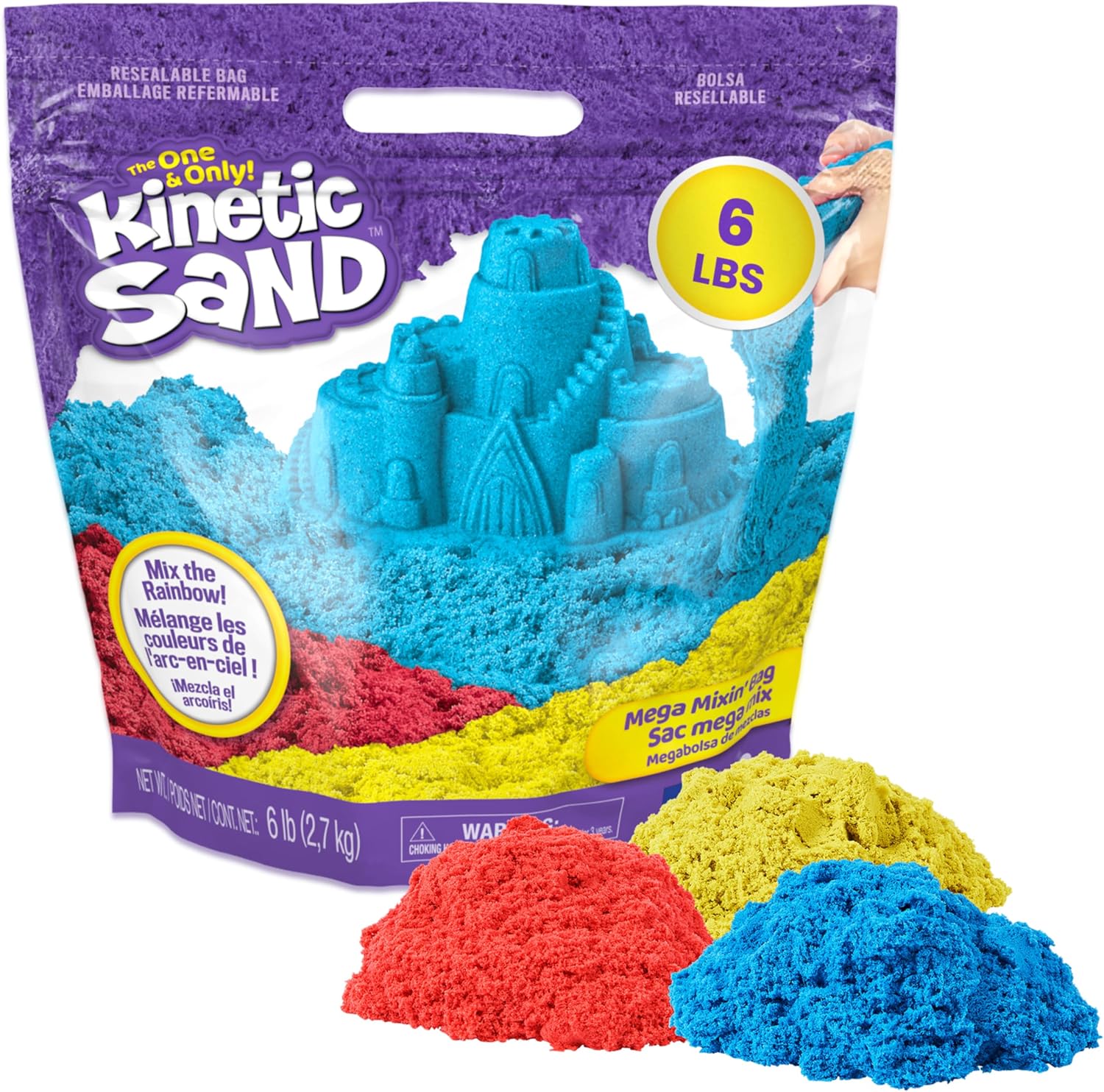
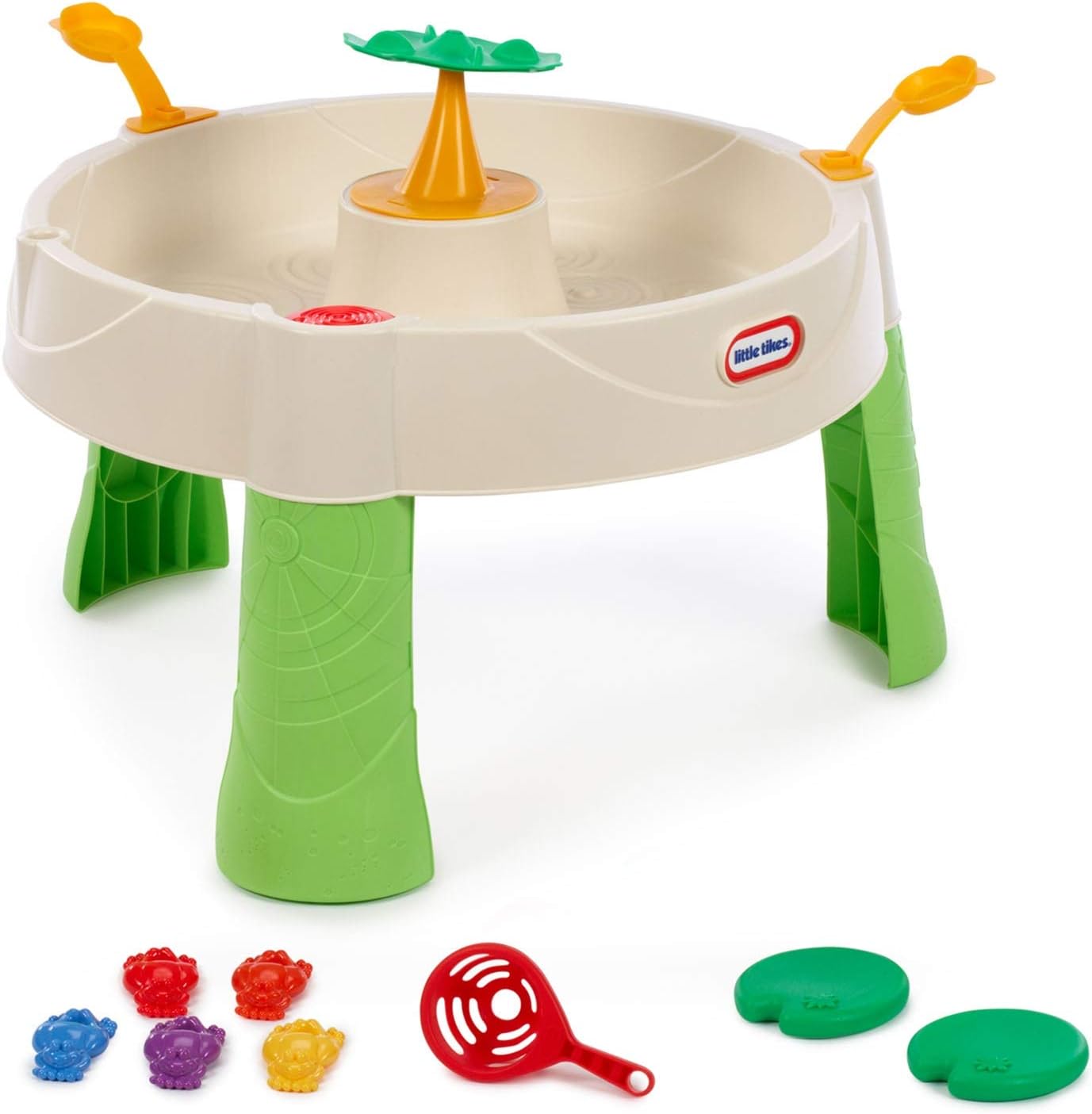
Hands-On Play Favorites
Story Audio Tools
Use audio tools to record, listen to, or even narrate stories, adding a modern twist to storytelling! Kids will love hearing their creations brought to life.
- Kids’ audiobook collections, like “Audible Stories for Children”
- Kid-friendly audio recorders for creating their audiobooks
- Wireless microphones for pretending to be a professional narrator
With these tips and tools, you’re all set to turn storytelling into the highlight of any day. Watch as their imagination grows, one tale at a time!

FAQ Section (People Also Ask)
Curious about how to support and enhance pretend play for kids? Here are quick answers to common questions to help you foster creativity, engagement, and development.

More Pretend Play Resources:
Pretend play is essential to childhood development, fostering skills children carry into adulthood. It encourages creativity and problem-solving, allowing kids to explore new ideas and build confidence in a fun, supportive environment.
Pretend Play for Kids
Check out these fun pretend play resources for kids!


Parents and caregivers can enhance these experiences with simple, open-ended tools and active participation.
Encouraging pretend play is an excellent way to nurture a child’s imagination and developmental growth. The possibilities for imaginative fun are endless, from crafting inviting play areas to offering open-ended materials and supporting their stories.
Parents and educators can collaborate to create meaningful play experiences that foster communication, empathy, and creative thinking.
Remember, the key lies in making playtime enjoyable and pressure-free, allowing children’s imaginations to flourish naturally.