Educational Black History Books for Teens


This list of Educational Black History Books for Teens helps shape a teen’s perspective, not only on the past but also on the present and future. They go beyond memorizing dates and facts—they challenge young minds to think critically, understand historical context, and value cultural diversity. Also, check out our other book recommendations for all ages!
By exploring the complex narratives of Black history, teens can develop a more informed and empathetic worldview. These books are pivotal in helping lessons resonate by presenting engaging, thought-provoking content.

Black history is filled with stories of resilience, resistance, and innovation amidst systemic oppression. When teens engage with these narratives, they’re exposed to complex social issues that require deeper analysis.
It encourages them to think about parallels in today’s society and how history continues to shape current events. Educational books empower teens to think beyond surface-level understanding and evaluate the bigger picture with nuance.
Making Black history a central part of education, we help teens become well-rounded, socially aware individuals. Educational books spark curiosity and independence, inviting young readers to explore history with a critical eye and an open heart.
When teens grasp the significance of Black history, they’re better equipped to approach the world with integrity, empathy, and a sense of shared humanity.
How Educational Books Make Black History Accessible
Educational books bridge the past and the present, offering teens an engaging way to understand pivotal moments and people in Black history. With formats ranging from graphic novels to memoirs, these books make heavy topics more approachable and relatable.
They also encourage empathy and reflection, allowing teens to ask tough questions and broaden their horizons. By reading these stories, teens are not only learning history—they’re also connecting with voices that inspire change.
This post contains affiliate links, which means I earn a commission when anything is bought. This is at no additional cost to you.
Shop My Homeschool Room:
Here are a few homeschool room picks you can find on Amazon. Click any image to see it. Yes, these are affiliate links.


Want more learning without printing more pages?
If your little one is between 2 and 8, ABCmouse is a full online curriculum of learning games, books and puzzles, so the practice keeps going on the days you are out of ink. Take a look at ABCmouse
Prefer something that shows up in the mailbox? Highlights High Five is made for ages 3 to 5, and the classic Highlights magazine picks up from 6 to 12. See High Five | See Highlights
Providing Historical Context
Many of today’s societal structures and challenges can be traced back to historical events tied to Black history. By studying slavery, Reconstruction, the Great Migration, and modern movements like Black Lives Matter, teens gain a clearer perspective on issues like systemic racism, economic disparity, and social equity.
Understanding this context helps teens connect historical injustices to the ongoing fight for equality, making them more aware and socially conscious.
Nurturing Cultural Appreciation
Learning about Black history fosters respect and appreciation for the richness of Black culture. Such knowledge inspires teens to celebrate these contributions and recognize the ongoing need for inclusivity and equity.


The Role of Educational Black History Books
Educational books focusing on Black history uniquely bridge the gap between past events and present realities. By presenting historical narratives through compelling, accessible stories, these books foster a deeper understanding of the connections between history and modern societal issues.
They illuminate how injustices of the past continue to influence today’s world while inspiring teens to take an active role in shaping a more equitable future.
Connecting Historical Events to Today’s Society
Black history books provide context to many of the challenges we see today. They help teens understand the legacies of slavery, segregation, and systemic racism, as well as the ongoing efforts to dismantle inequality and injustice.
When young readers grasp these connections, they become more aware of their role in fostering change in their communities.
Teaching Diversity, Equity, and Inclusion
Educational books on Black history open the door to conversations about diversity, equity, and inclusion. By showcasing a wide range of voices and experiences, these works teach teens to celebrate differences while acknowledging the need for equity.
Such lessons are critical in helping young people adopt more inclusive mindsets as they grow into leaders and citizens.
Inspiring Empathy Through Personal Stories
Empathy is a powerful tool, and Black history books excel at helping young readers step into the shoes of others. Through stories that humanize historical figures and everyday people alike, teens learn to see the world differently.
Reading these personal narratives helps teens put themselves in the place of someone who lived through hardships they may not face, fostering a deeper emotional connection and understanding.
Inspiring Action for Change
The best Black history books don’t just teach—they ignite passion. These stories provide a blueprint for activism, encouraging teens to speak out, volunteer, and advocate for causes they believe in.


How to Use These Books in the Classroom
Introducing Black history books into lessons or discussions with teens can be a powerful way to broaden their understanding of the world. To make the experience both engaging and inclusive, educators and parents can adopt a few simple, practical strategies.
Create Interactive Activities
Interactive activities bring history to life and make it relatable for teens. Encourage teens to create art, write letters to historical figures, or act out key moments from books.
Would you like to save this?
Hands-on projects help teens connect emotionally with the material while sparking creative thinking.
Encourage Open Discussions
Books about Black history often tackle complex social issues, so creating a safe space for teens to process their thoughts and ask questions is important. Open discussions allow students to share their interpretations of what they’ve read and explore different perspectives.
Guide these conversations with thought-provoking questions like, “How do the themes in this book relate to challenges we see today?” or “What can this story teach us about standing up for others?” Ensure all voices are valued, and encourage active listening to ensure inclusive discussion.
Connect to Current Events
Linking the lessons in Black history books to current events helps teens see the ongoing relevance of these stories.
Parents can also draw parallels to personal or community experiences, helping teens understand how these historical lessons apply to their lives. This connection makes the material more meaningful and encourages critical thinking about the world around them.
Offer Diverse Reading Options
Providing a variety of books ensures that teens see a broad spectrum of experiences and contributions. Choose works by different authors highlighting Black communities’ struggles, successes, and cultural richness.
Allow teens to pick from a list, empowering them to explore stories that speak to them personally.
Foster a Safe and Inclusive Environment
A respectful and welcoming environment is essential for meaningful learning. Be mindful of the sensitive nature of some topics and ensure that teens feel supported in discussing challenging issues.
Set clear expectations for respect during group activities or discussions and promptly address conflicts. When teens feel safe to share their ideas and emotions, they’re better able to connect with the material and engage in honest dialogue.

Resources for Teens Interested in Learning More
While educational books provide a strong foundation, further exploration through additional resources and activities can enrich teens’ understanding of Black history. Immersing them in museums, documentaries, online archives, and hands-on and creative activities offers dynamic opportunities to deepen learning and engagement.
Visit Museums and Access Online Exhibits
Museums provide a tangible connection to Black history, featuring artifacts, multimedia exhibits, and personal accounts that bring the past to life. The Smithsonian National Museum of African American History and Culture is an essential resource, offering an in-person experience and an extensive collection of online exhibitions.
Teens can explore topics ranging from the transatlantic slave trade to the cultural impacts of the Harlem Renaissance.
For those unable to visit in person, many museums provide virtual tours. The African American Civil War Museum shares stories of Black soldiers during the Civil War, and sites like the Amistad Research Center archive documents and materials related to America’s diverse cultural history.
Teens can select an exhibit or artifact that resonates with them and reflect on its significance as an activity.
Watch Documentaries That Tell Rich Narratives
Documentaries can turn history into visually compelling stories. Parents and educators can organize a family movie night or class screening of one of these documentaries.
Discover Online Archives and Educational Platforms
Online platforms provide accessible resources for learning Black history. The Library of Congress African American History Collection provides photographs, letters, and histories that give teens firsthand perspectives of historical events.
Websites like Facing History and Ourselves offer curated lesson plans and resources that make challenging topics approachable.
Companion Activities to Deepen Engagement
Interactive activities help teens process what they’ve learned while sparking creativity. This visualization helps build their understanding of historical context and sequence.
One option is to encourage presentations. Teens could select a topic, such as the life of Harriet Tubman or the impact of the Montgomery Bus Boycott, and prepare a multimedia project using visuals and research. This enhances public speaking and research skills and allows sharing insights with peers.
Book discussions—at home or in the classroom—are also valuable. Pair a book with a challenging question, such as, “How does this history shape how we approach current social justice issues?” These conversations encourage critical thinking and allow teens to hear diverse viewpoints.
These explorations spark curiosity and insight, helping them recognize history’s role in shaping the present and inspiring them to contribute thoughtfully to the future.
Inspirational Black History Books for Teens are a great way for teens to learn. Use these books to help inspire!


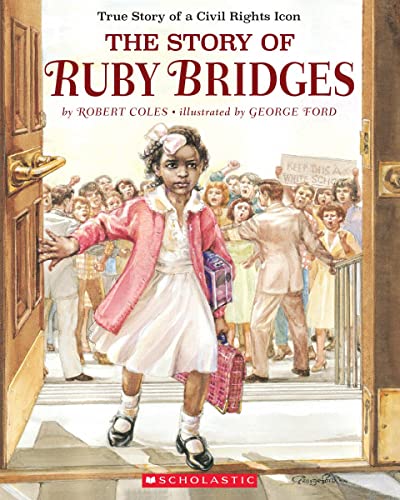


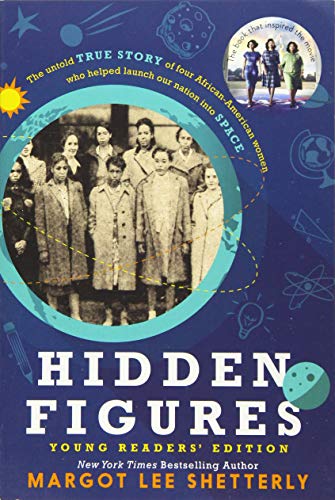


Each book provides invaluable lessons, from historical events to modern sociopolitical topics.
More Black History Books for Teens:
- Empowering Black History Books for Young Adults
- Fictional Black History Books for Young Adults
- Inspirational Black History Books for Teens
❓ Frequently Asked Questions
These quick answers cover common questions about Educational Black History Books for Teens.