Letter D Story Printable Packet


Introducing the Letter D Story printable packet, a delightful educational resource designed to make alphabet learning fun and effective for young children. As part of our Alphabet Stories for Kindergarten series, this packet focuses on helping kids master the letter D through engaging narratives and interactive activities.
This alphabet learning for kids tool enhances their language and literacy skills and provides an enjoyable way to explore the world of letters and sounds.
This packet is designed to captivate their interest and nurture their natural curiosity, making the journey of alphabet learning both educational and enjoyable.

Teaching the alphabet through fun and interactive methods is essential in early childhood education, as it ensures that children remain engaged and motivated throughout their learning journey.
Fun and interactive approaches, such as the Letter D Story printable packet, blend education with play, making the process enjoyable and memorable for young learners.
These educational printables provide structured activities specifically designed to capture the attention of children ages 4-6, helping them absorb new information more effectively.
By incorporating these engaging elements, the packet not only helps children master the alphabet but also instills a love for learning that can last a lifetime.
This post contains affiliate links, which means I earn a commission when anything is bought. This is at no additional cost to you.
Storytelling: Boosting Language Development and Creative Thinking
Storytelling plays a crucial role in young children’s language development and creative thinking. Here’s how:
Language Development
- Vocabulary Expansion: Through stories, children are introduced to new words and phrases within meaningful contexts, helping them understand and remember these terms more easily.
- Listening Skills: Listening to stories enhances children’s ability to focus and understand spoken language, vital for effective communication.
- Narrative Skills: As children listen to and retell stories, they learn the structure of narratives, including the beginning, middle, and end, which aids in developing their own storytelling and writing abilities.
- Comprehension: Engaging with stories improves comprehension skills as children learn to infer meanings, predict outcomes, and understand characters’ motivations and emotions.
Shop My Homeschool Room:
Here are a few homeschool room picks you can find on Amazon. Click any image to see it. Yes, these are affiliate links.


Want more learning without printing more pages?
If your little one is between 2 and 8, ABCmouse is a full online curriculum of learning games, books and puzzles, so the practice keeps going on the days you are out of ink. Take a look at ABCmouse
Prefer something that shows up in the mailbox? Highlights High Five is made for ages 3 to 5, and the classic Highlights magazine picks up from 6 to 12. See High Five | See Highlights
Creative Thinking
- Imagination Stimulation: Stories transport children to different worlds, sparking their imagination and encouraging them to think creatively about scenarios, characters, and events.
- Problem-Solving: Often, stories involve characters facing challenges or solving problems. This helps children develop critical thinking and problem-solving skills by considering how they might handle similar situations.
- Empathy and Perspective-Taking: By identifying with characters and understanding their experiences, children learn to see things from different perspectives, fostering empathy and social understanding.
- Innovation: Storytelling encourages children to create their own stories, promoting originality and innovation as they invent new plots, settings, and characters.
Storytelling is a powerful tool for language development and creative thinking, laying a solid foundation for literacy and cognitive growth.
The Role of Hands-On Activities in Enhancing Motor Skills and Maintaining Engagement
Hands-on learning activities are essential components of early childhood education, playing a critical role in enhancing motor skills and keeping children engaged. Here’s how they contribute to a child’s development:
Enhancing Motor Skills
- Fine Motor Development: Activities such as coloring, cutting with scissors, and tracing letters help children develop fine motor skills. These tasks require precision and control, strengthening the small muscles in their hands and fingers.
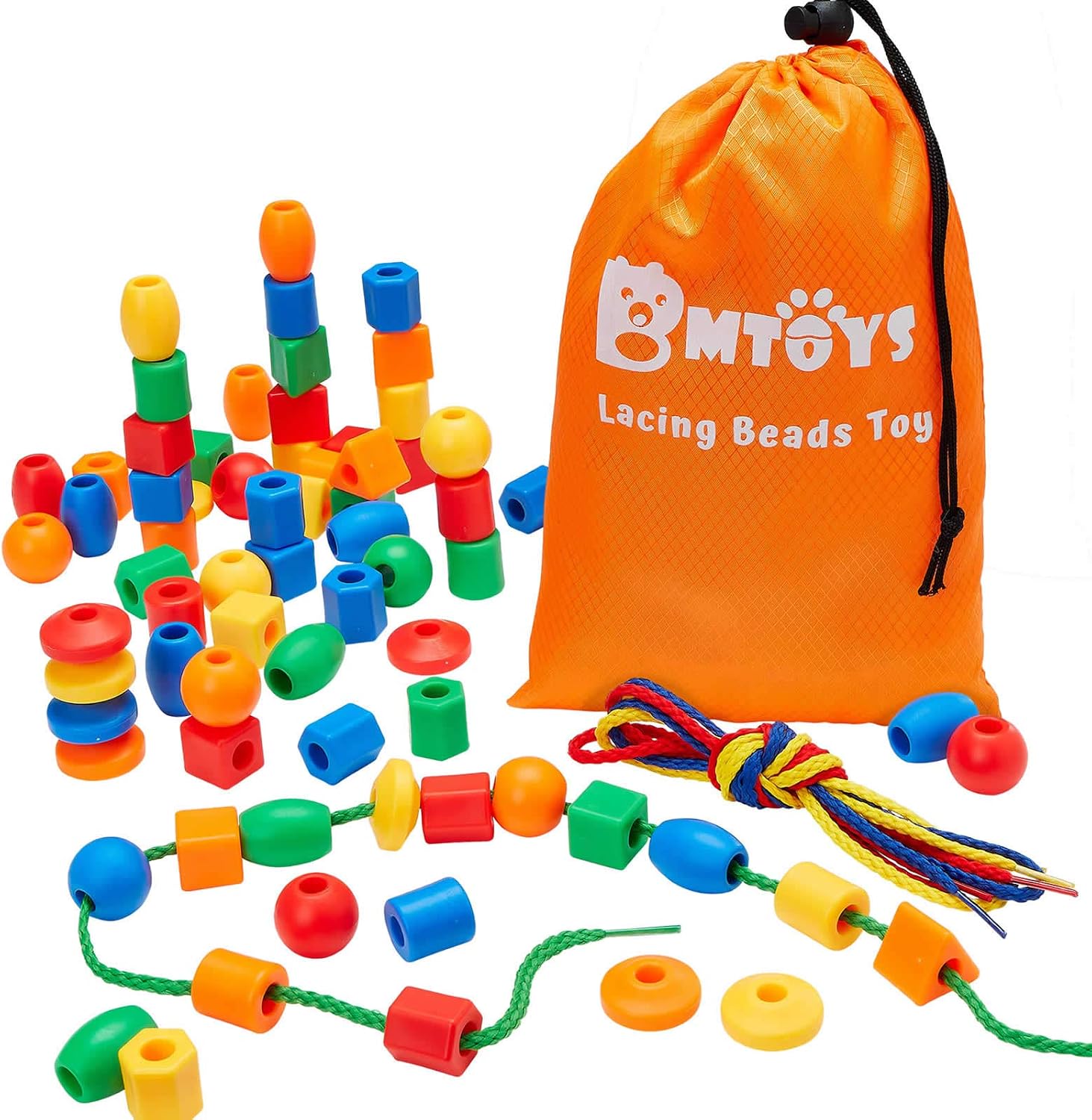
- Hand-Eye Coordination: Children improve their hand-eye coordination by engaging in hands-on tasks. For instance, matching puzzle pieces or threading beads demands that they align their visual perception with their physical actions.
- Dexterity and Control: Repetitive movements involved in activities like drawing or assembling blocks enhance dexterity and control, crucial for tasks such as handwriting and manipulating small objects.
- Sensory Integration: Many hands-on activities incorporate sensory experiences, which are vital for integrating tactile feedback with motor responses. This integration helps children understand and navigate their environment more effectively.
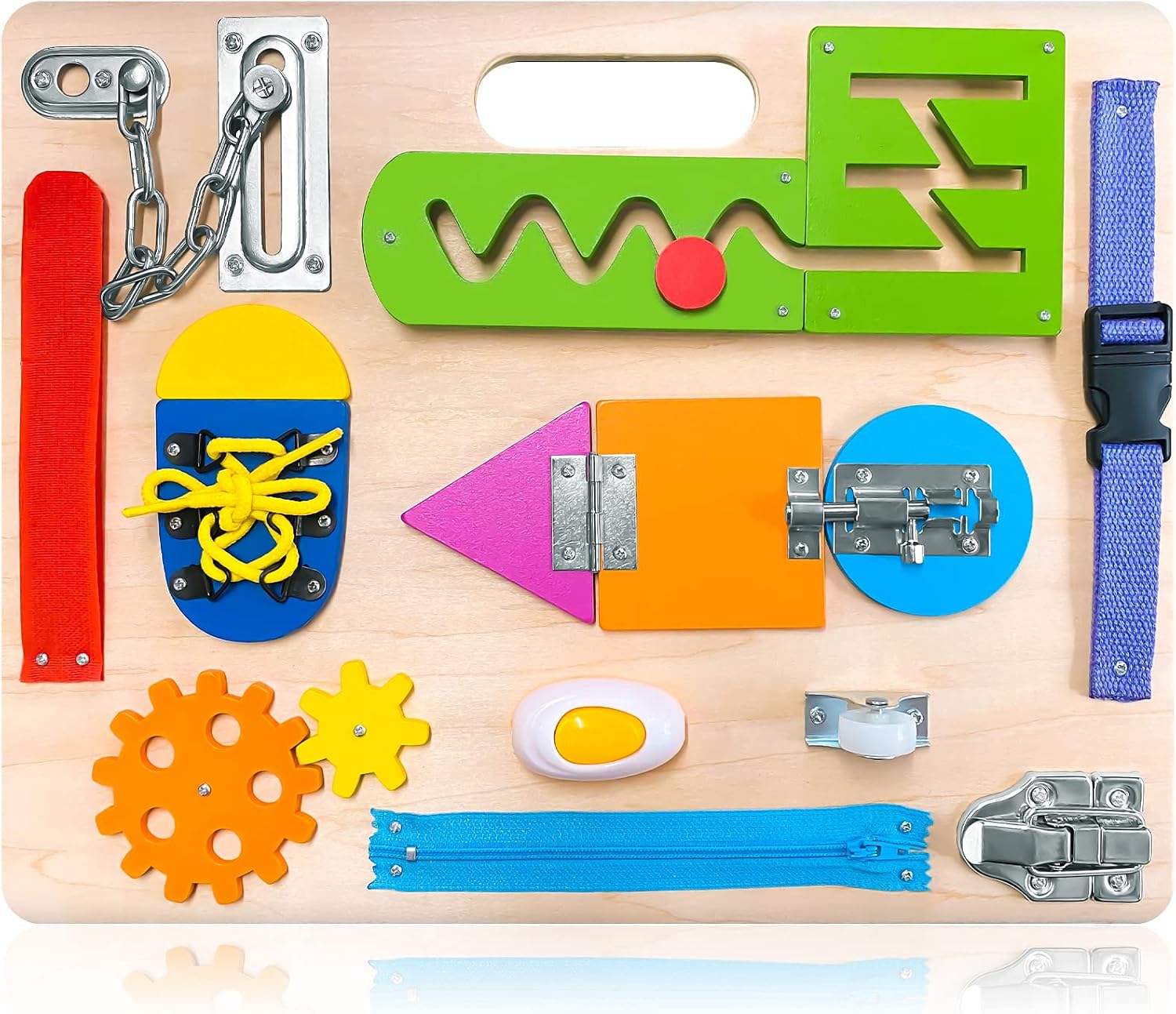
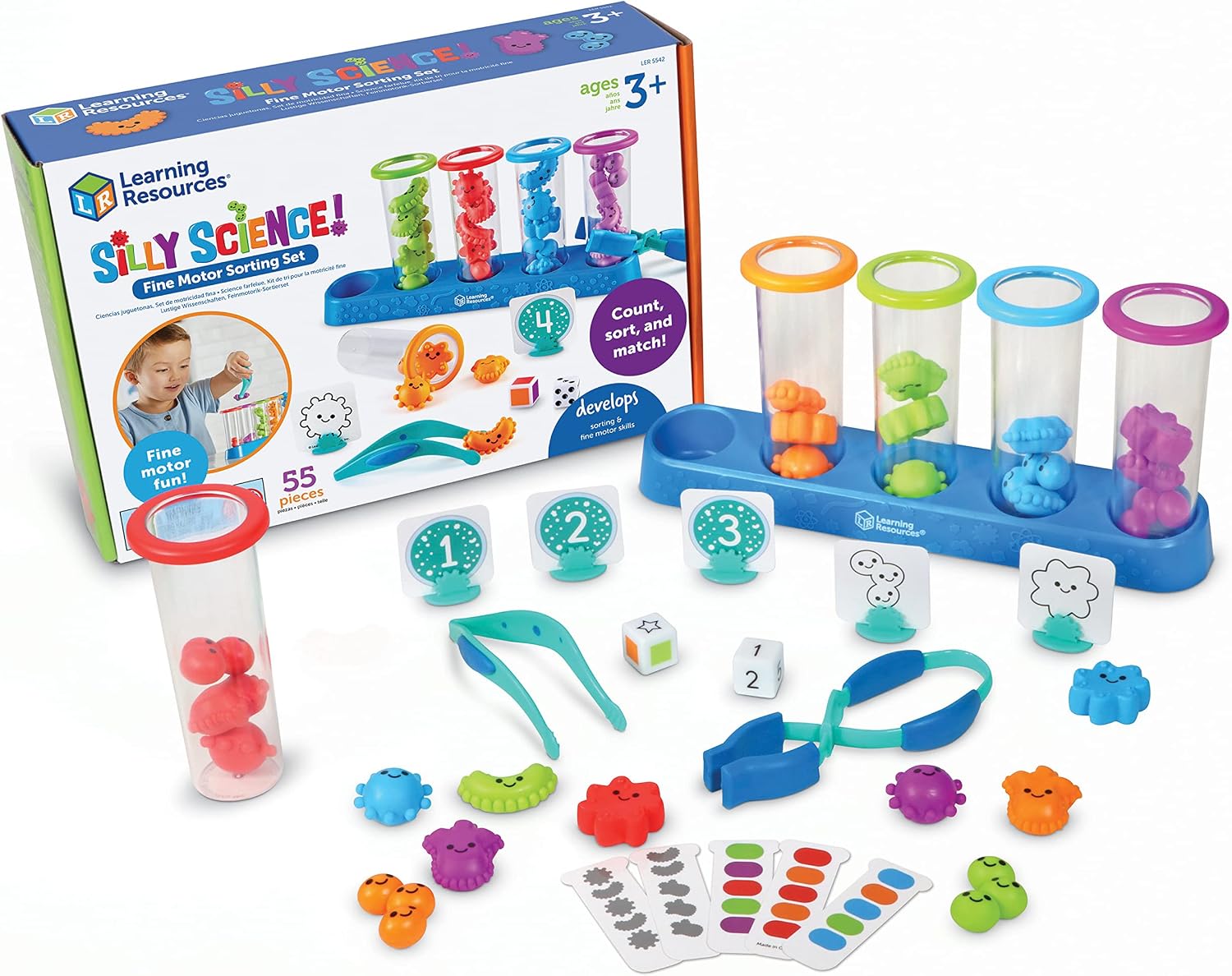
Fine Motor Favorites
Maintaining Engagement
- Interactive Learning: Hands-on activities make learning interactive and dynamic, which captivates children’s interest more effectively than passive learning methods. Children are more likely to stay focused and engaged when they can manipulate materials and see immediate results from their actions.
- Active Participation: These activities encourage active participation, making children feel involved in learning. This active engagement promotes a deeper understanding and retention of concepts.
- Creativity and Exploration: Providing opportunities for hands-on exploration allows children to express their creativity and explore different outcomes, which fosters a sense of curiosity and a love for learning.
- Immediate Feedback: Hands-on activities often provide immediate feedback, allowing children to see the consequences of their actions immediately. This instant reinforcement helps them learn quickly and adjust their techniques as needed.
Incorporating hands-on learning activities in early childhood education enhances motor skills and maintains high engagement and enthusiasm for learning.
Combining physical activity with cognitive challenges lays a comprehensive foundation for children’s development and lifelong learning.
What’s Included in Darcy’s Daring Dream Printable Packet?
The packet includes five printable worksheets including:
- The Printable Story: “Darcy’s Daring Dream”
- Coloring Page
- Letter Writing Page
- Story Enhancement Worksheet
- Simple Question Worksheet

Homeschooling Tips and Preschool Teaching Strategies
To assist homeschooling moms and preschool teachers in making the most of the Letter D Story printable packet, here are some effective strategies for integrating these materials into daily lesson plans. This approach ensures a comprehensive focus on literacy and motor skill development.
Would you like to save this?
Daily Read-Aloud Sessions
- Morning Routine: Start the day with a read-aloud session of the Letter D Story. Encourage children to listen attentively and engage with the story by asking questions about the plot, characters, and the letter D.
- Vocabulary Building: Highlight new or challenging words related to the letter D from the story. Create flashcards or word walls to reinforce these words throughout the week.
Interactive Storytelling
- Role-Playing: Turn the story into a role-playing activity where children can act out different characters and scenes. This enhances comprehension and makes learning fun.
- Story Sequencing: Provide picture cards of key events from the story and have children arrange them in the correct sequence. This exercise reinforces narrative structure and sequencing skills.
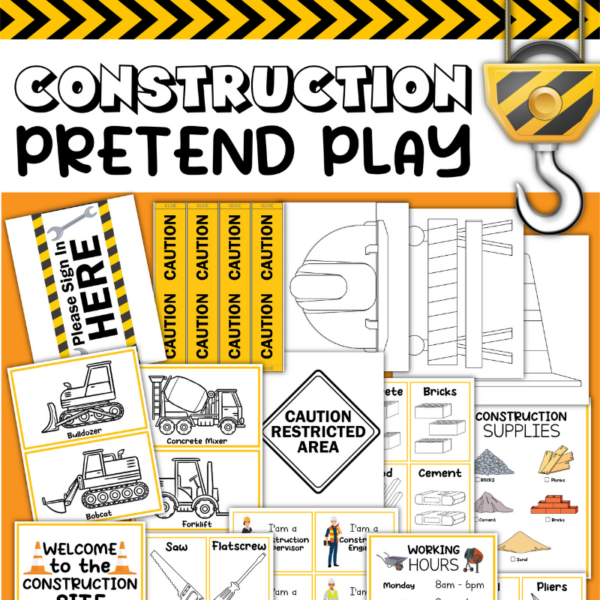
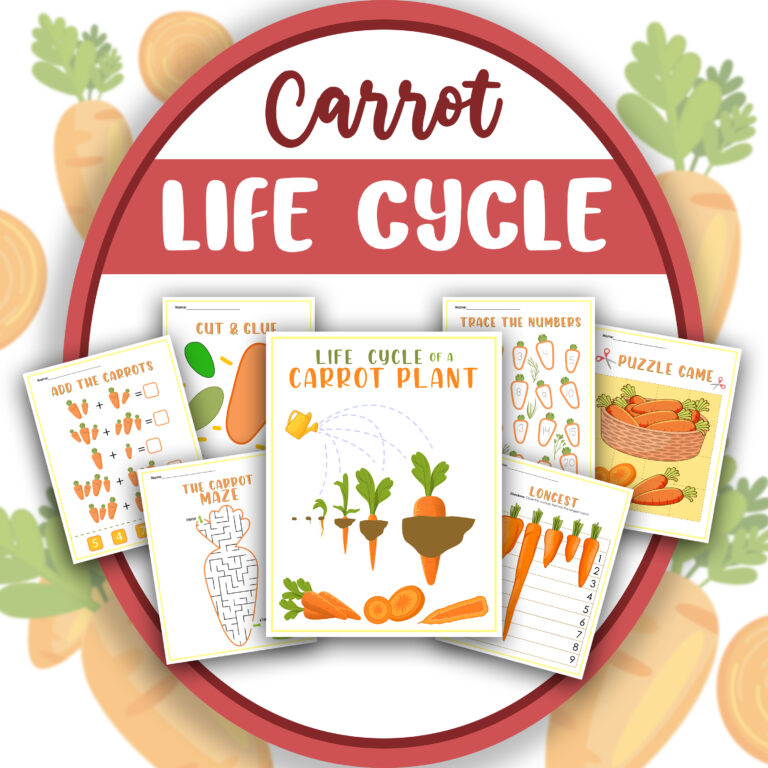
Learning Printables and Activities
These are excellent resources for kids! They’ll love being a part of the learning process from start to finish.

Alphabet and Phonics Activities
- Letter Recognition: Incorporate activities focusing on recognizing and writing the letter D. Use tracing worksheets, sandpaper letters, or letter stamping for tactile experiences.
- Phonics Games: Play phonics games that emphasize the /d/ sound, such as matching pictures to their corresponding words or playing sound bingo.
Fine Motor Skill Development
- Crafts and Art Projects: Create crafts incorporating the letter D, such as decorating a large cut-out of the letter or making a collage of items starting with D. These activities enhance creativity and fine motor skills.
- Cutting and Pasting: Include activities that involve cutting out pictures or letters and pasting them to create a story scene or alphabet book.
Multisensory Learning
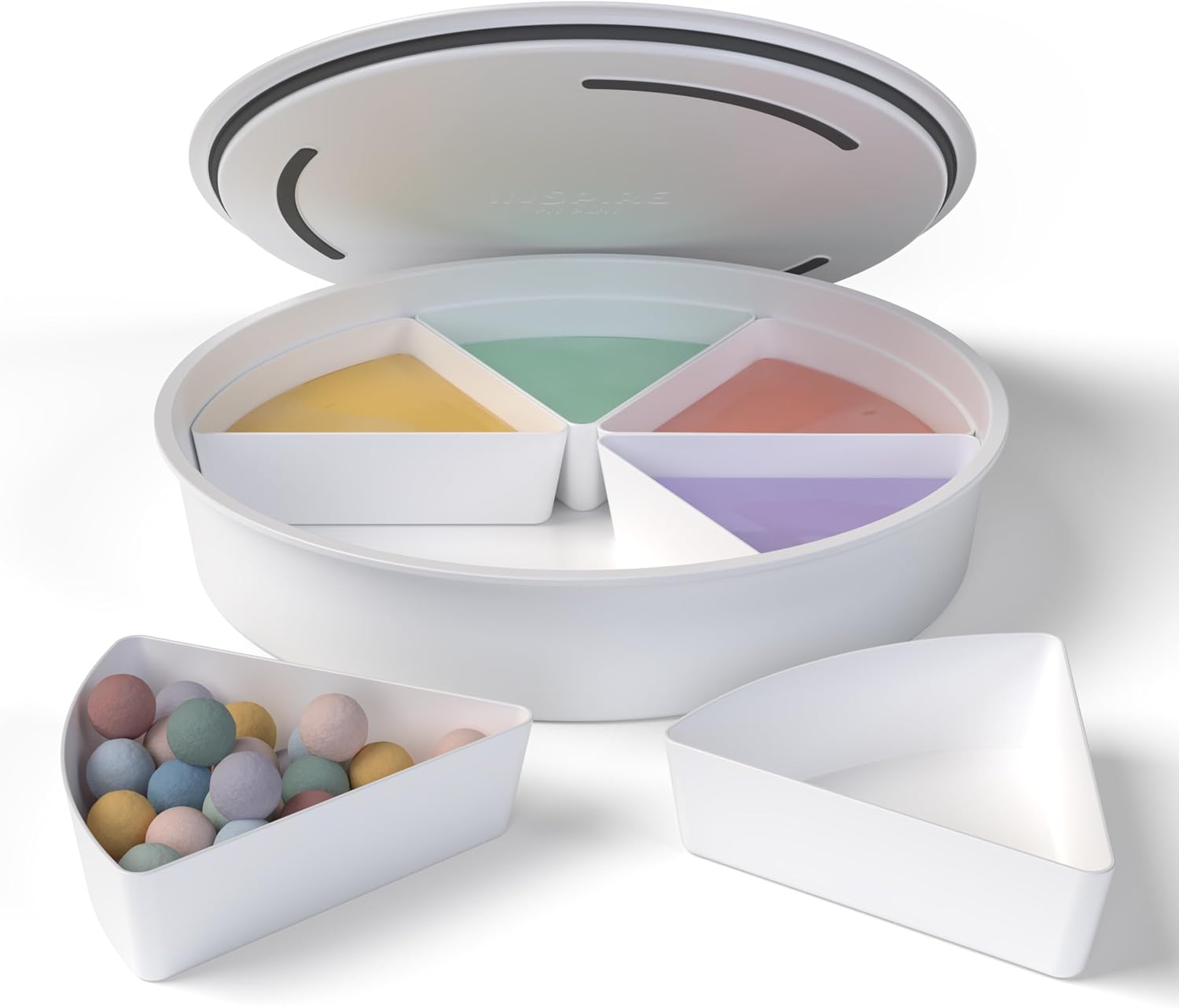
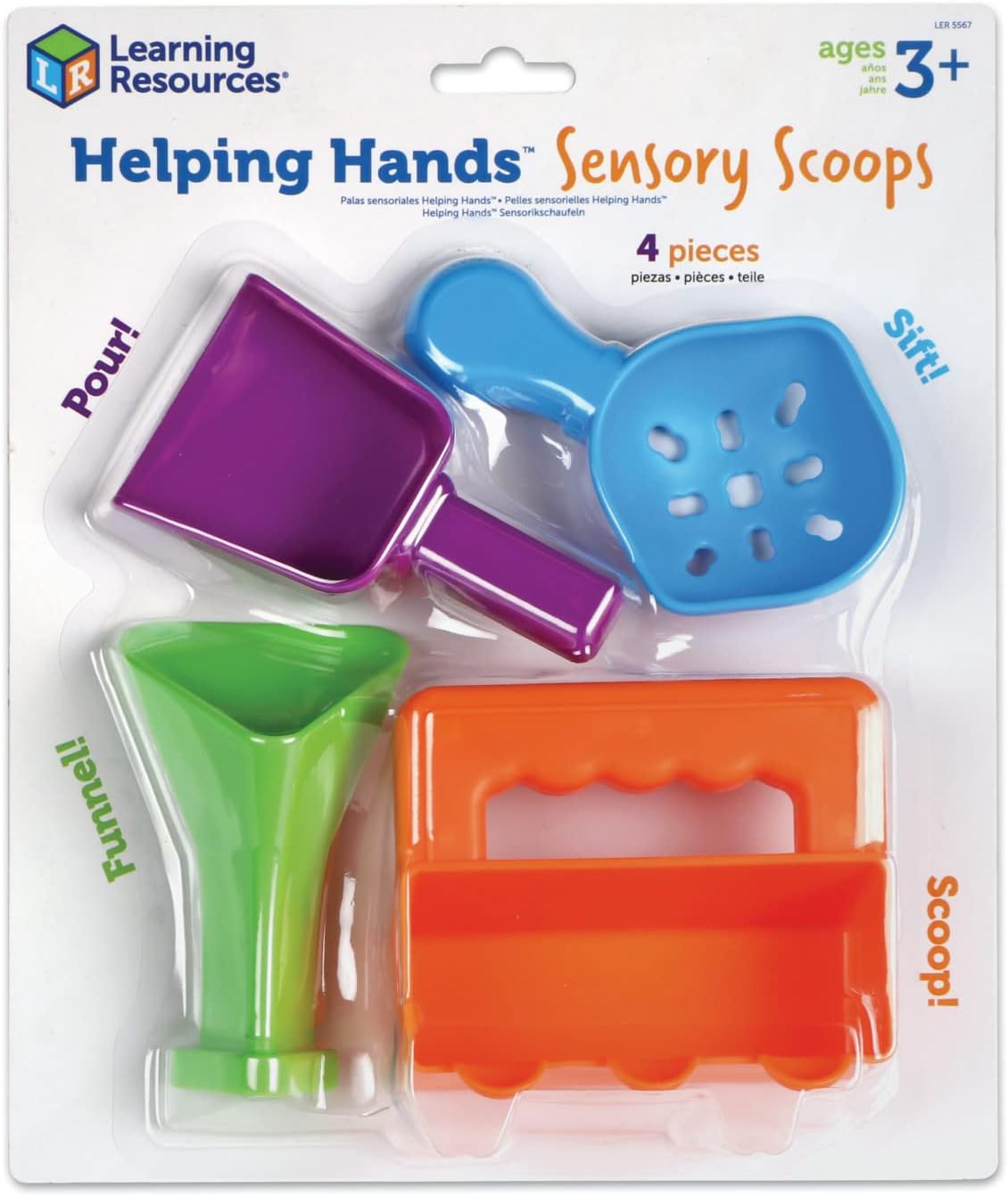
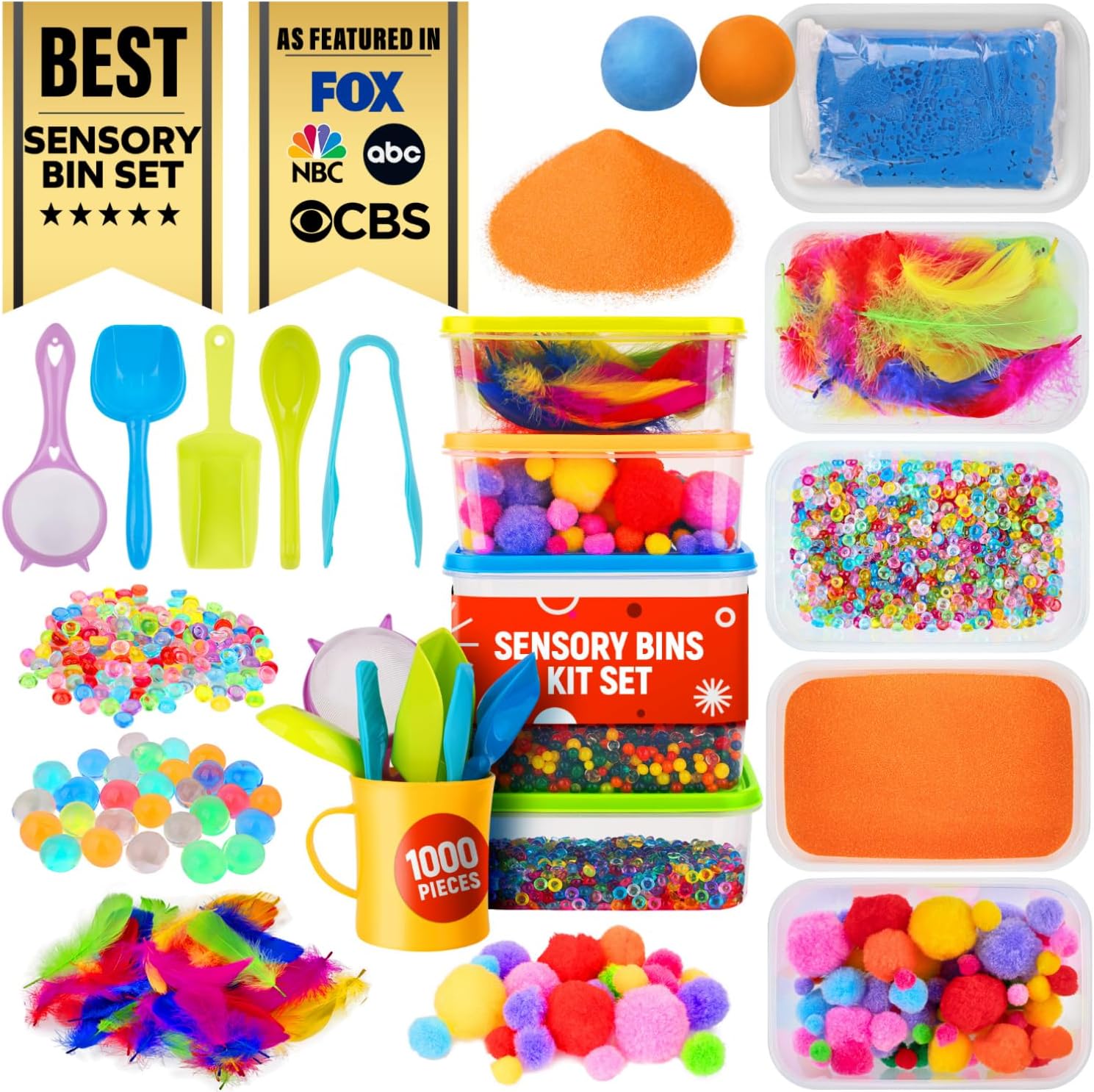
- Sensory Bins: Prepare a sensory bin filled with objects that start with the letter D (e.g., dinosaurs, ducks, dice). Allow children to explore and discuss these items, promoting sensory integration and vocabulary expansion.
- Writing in Sand or Shaving Cream: Let children practice writing the letter D in sand trays or shaving cream. This hands-on activity is both engaging and effective for motor skill development.
Sensory Bin Supplies
Incorporating Technology
- Educational Apps and Videos: Use educational apps and videos focusing on the letter D and related vocabulary. These can provide interactive and visually stimulating reinforcement.
- Digital Storytelling: Encourage children to use digital tools to create their own stories featuring the letter D. This activity can help develop both technological literacy and creative writing skills.
Outdoor Learning
- Nature Walks: Take children on nature walks to find and identify objects that start with the letter D. This real-world application reinforces learning and makes it more relatable.
- Outdoor Alphabet Hunt: Organize an alphabet hunt where children look for items or signs featuring the letter D. This activity combines physical movement with letter recognition.
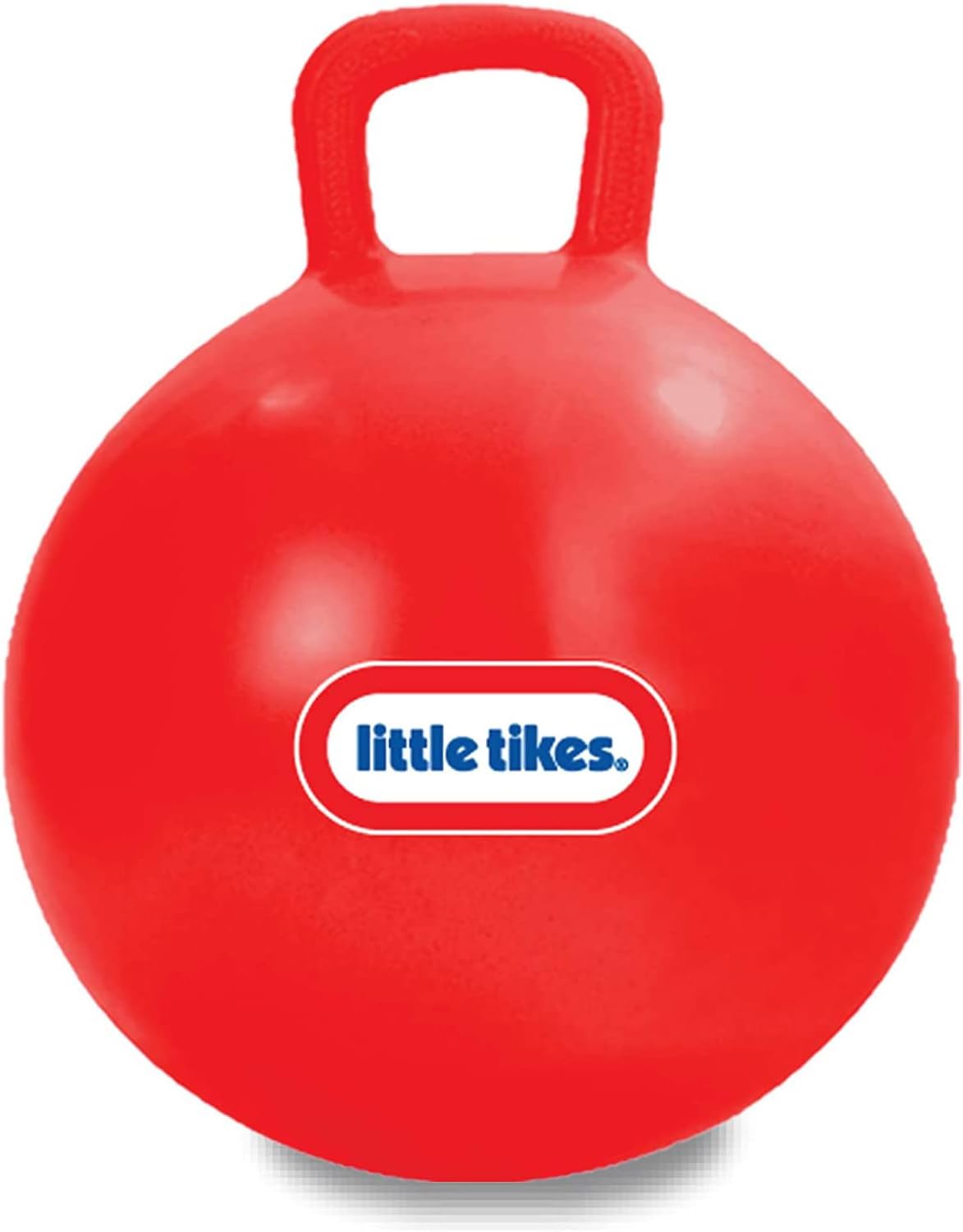
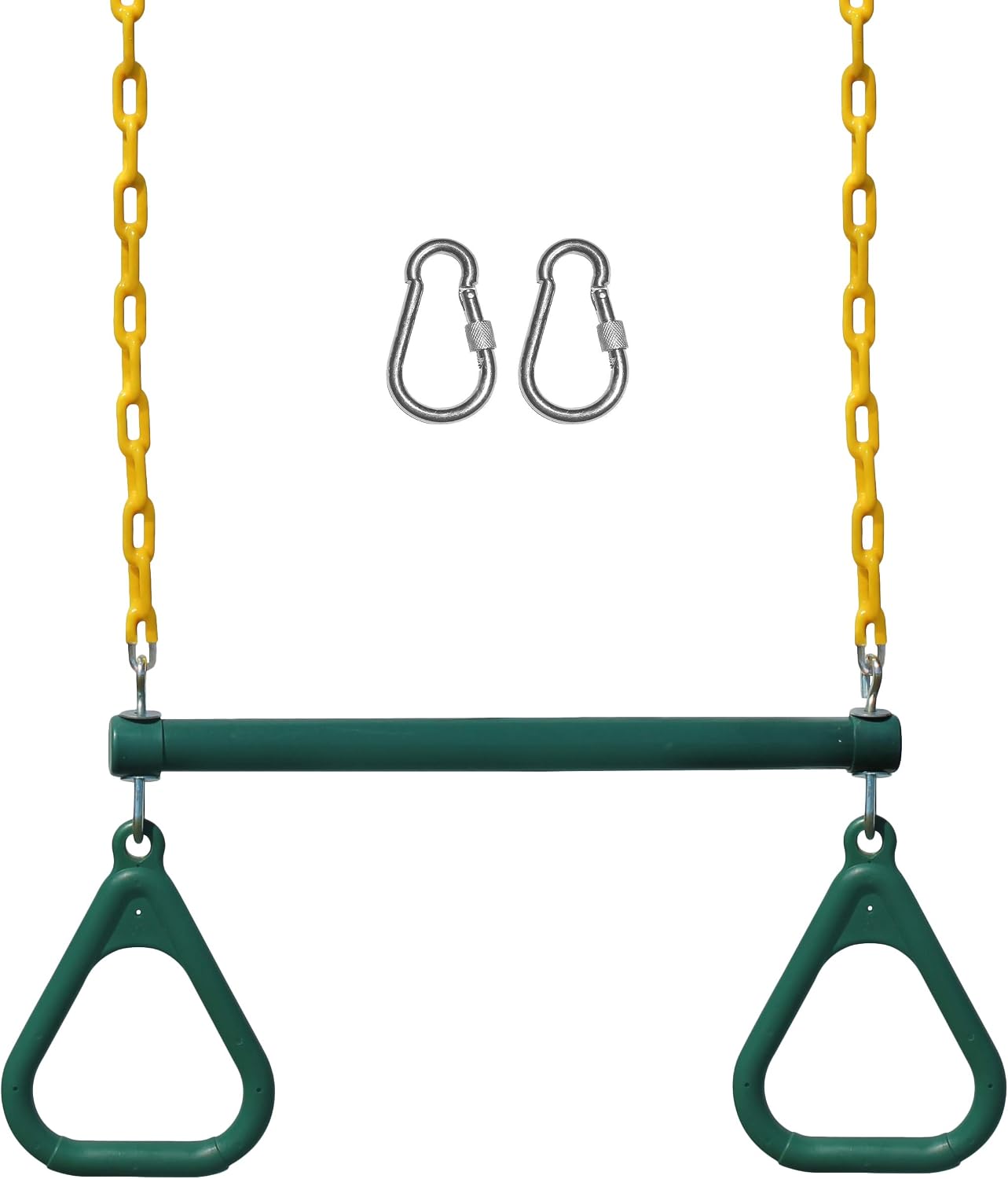
Handy for Backyard Play

These homeschooling tips and preschool teaching strategies ensure that learning is effective and enjoyable for young children.
FAQs About the Free Letter D Story Printable Packet

The free Letter D Story printable packet offers young learners many benefits. By incorporating engaging stories, interactive activities, and hands-on learning experiences, this packet enhances literacy skills and fosters motor skill development and creative thinking.
Designed for children ages 4-6, it provides an ideal blend of fun and education, making the alphabet learning journey effective and enjoyable.
We encourage you to use these free learning materials and integrate them into your daily lesson plans to support your child’s educational growth. Additionally, please consider sharing this valuable resource with other parents and educators.
Alphabet Stories for Kindergarten
Grab all the printable alphabet stories for kindergarten learners! Each alphabet letter has six pages to ensure the kids learn and understand the letter. It’s the perfect learning resource for teaching the entire alphabet!

By collectively sharing educational resources, we can create a community of informed and empowered individuals dedicated to providing the best possible start for our children.
More Alphabet Worksheets:
Let’s make learning a delightful adventure with the Letter D Story printable packet!
Get Your Alphabet Printable By Signing In or Signing Up!


One Comment